
Britain and Ireland · London
London: the first month
London is huge, expensive and full of work. How to spend your first month finding a flatshare, learning the Tube and buses, getting paid and keeping your savings from vanishing.
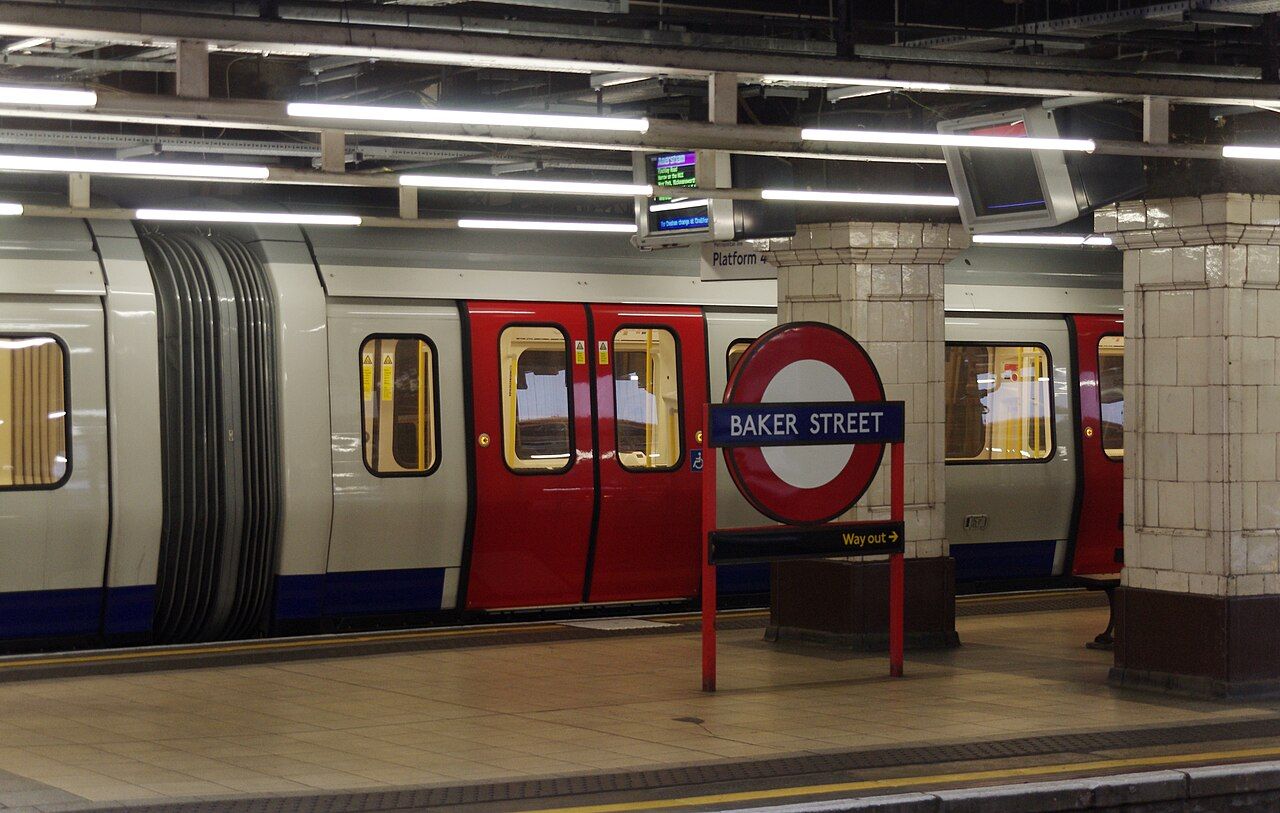 By mattbuck (cc-by-sa) original
London is one of the largest cities in Europe and one of the most common destinations for a working holiday in Britain. It has more jobs than anywhere else in the country, a public transport network that reaches almost every corner, and enough parks, museums and markets to fill years of days off. It also has some of the highest rents in the world. A good first month is about getting your right to work in order, finding a room that will not drain your savings, and getting paid before the money runs out.
The UK's youth mobility routes are tied to your passport: which nationalities can apply, the age limits, how long you can stay, whether there is a ballot and what you need to show all depend on where you come from, and the rules change. Read the current conditions on the official UK government website before you make plans, and keep your visa documents with you when you travel. Employers must check that you have the right to work before you start, usually through an official online service, so learn how to show your status before you go to an interview.
Where newcomers live
London is divided into fare zones in rings out from the centre. Zone 1 is the centre, with high rents and few shared rooms. Most people on a working holiday end up in zones 2 and 3, where flatshares are common and the commute is manageable. Popular areas change from year to year, but south London around Clapham, Brixton and Tooting, east London around Hackney, Bethnal Green and Stratford, west London around Shepherd's Bush and Acton, and north London around Camden, Kentish Town and Finsbury Park all have many shared houses.
When you choose an area, think about the line rather than the postcode. A room near a Tube, Overground or Elizabeth line station with a direct ride to where you work can save an hour a day. Walk the streets at night before you commit, check how late the transport runs, and ask the people already living there how the house works.
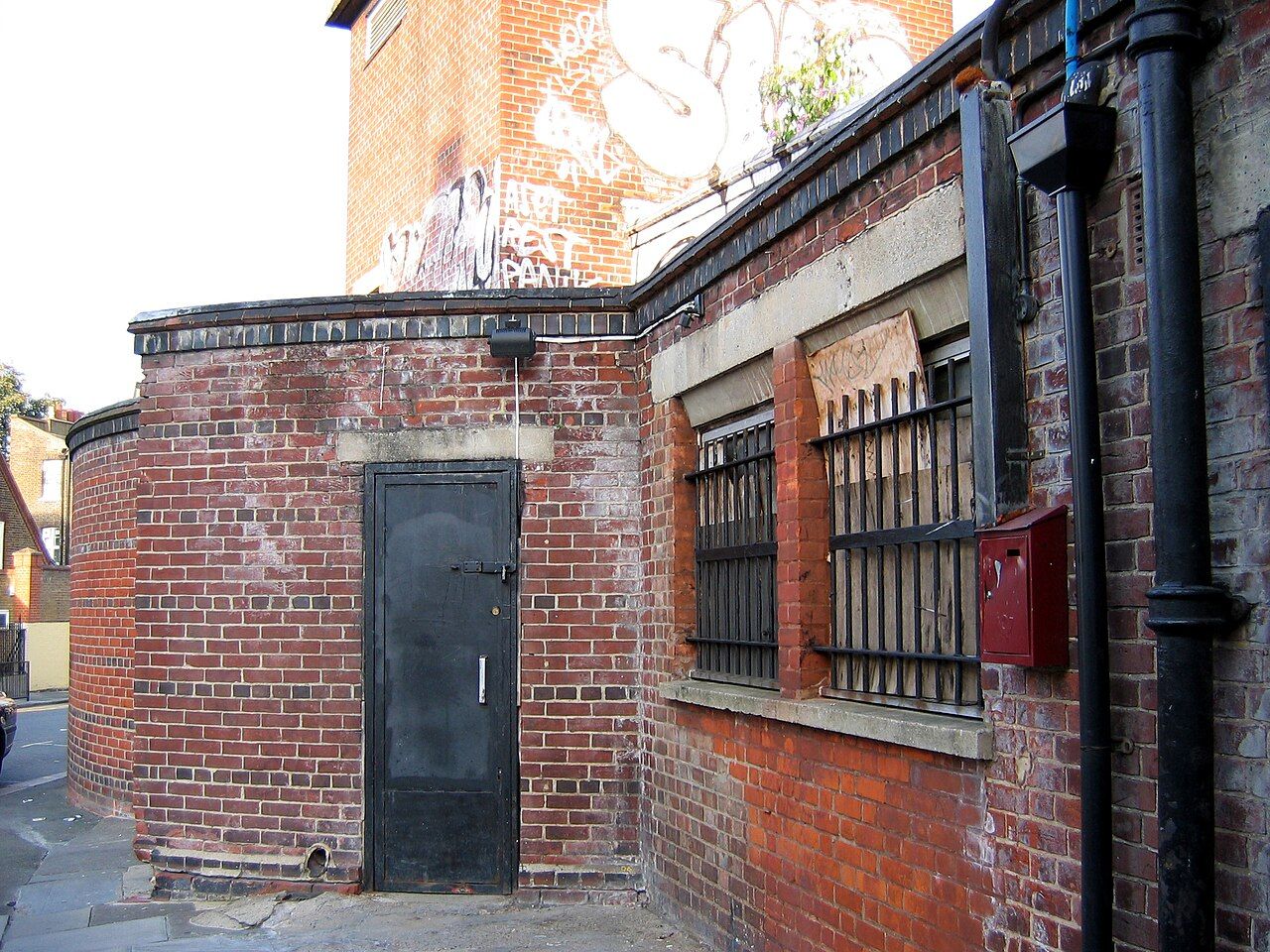 By Secretlondon (cc-by-sa) original

The Tube, buses and contactless
London's transport is run by a public body that sets one fare system across the Underground, buses, the Overground, the Elizabeth line, the Docklands Light Railway and trams. You can pay with a contactless bank card or phone, or with the city's own travel card, by touching in at the start of a journey and, on rail, touching out at the end. Use the same card or device every time, because daily and weekly caps limit what you pay on pay as you go.
The Tube is the fastest way across the centre, though it is hot and packed at peak times. Some lines run all night at weekends. Buses are slower but cheaper, run on most routes through the night, and show you the city as you travel. A flat bus fare with free changes within a time limit makes them the budget choice. Learn the main lines near your home in the first week, and download nothing you do not need: the official journey planner works in a browser.
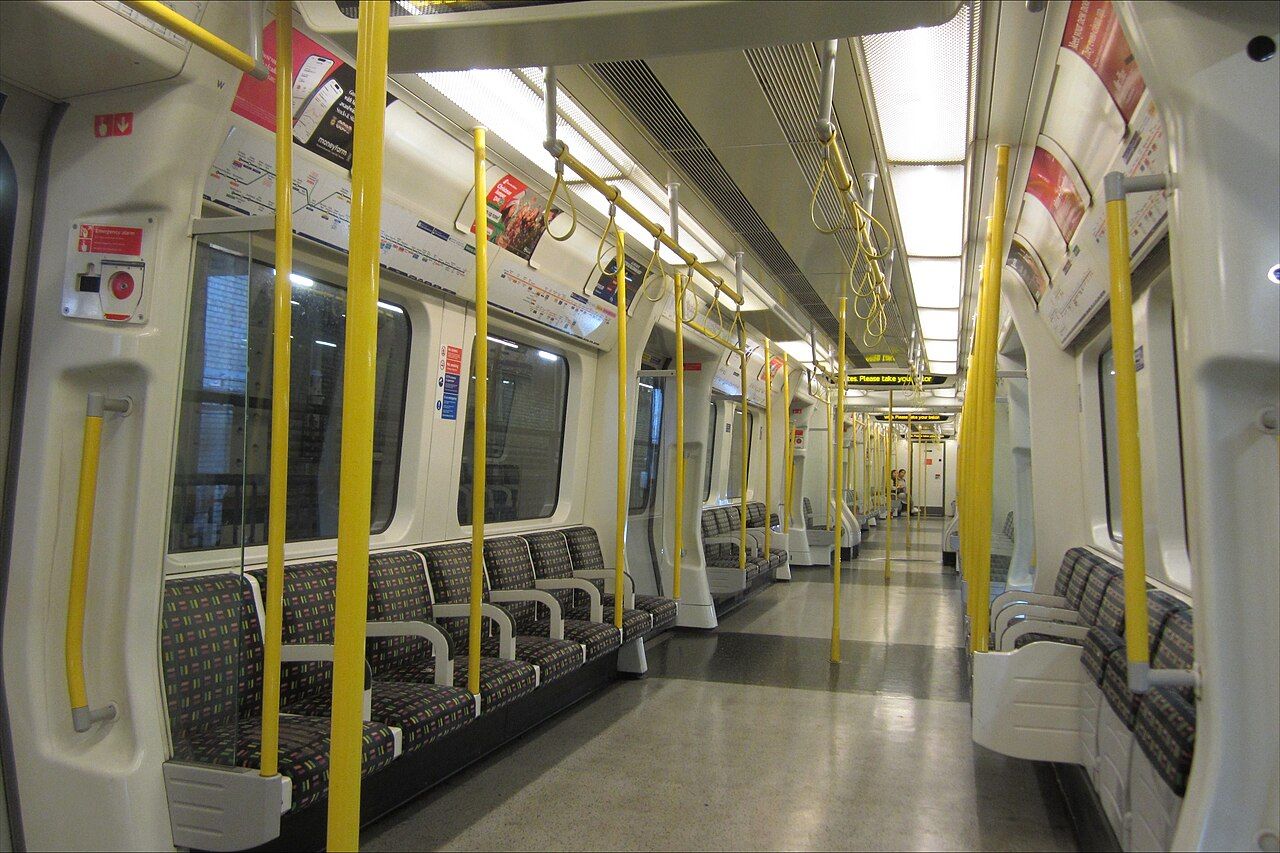 By Bananaclippings (cc-by-sa) original

Flatshares and the room hunt
Most newcomers book a hostel or a short let for the first week or two and look for a room once they arrive. Rooms in flatshares are usually rented by the month, with bills sometimes included and sometimes split. Ask exactly what the rent covers: energy, water, internet and council tax can add up. Many rooms are let by the existing tenants rather than a landlord, which is normal, but make sure someone can show you a written agreement.
Rental scams are a constant problem in London. Never pay a deposit or rent for a room you have not seen in person, never send money by a transfer service to someone who says they are abroad, and walk away if the price is far below the rest of the street. For most tenancies, deposits must be placed in a government-backed protection scheme; ask which one, and check the official government guidance on renting. The guide to finding a room without getting scammed covers the warning signs in detail.
When you choose an area, think about the line rather than the postcode.
Getting set up and the first job
Apply for a National Insurance number through the official government website as soon as you arrive. You can often start work before it arrives, but your employer needs it to tax you correctly. Open an account with a bank, which may ask for proof of address, and get a local number from a mobile provider so employers can call you back. The first-week checklist puts these steps in order.
Hospitality hires all year in London: pubs, restaurants, hotels and coffee bars always need staff, and big events and the run-up to Christmas bring extra hiring. Office temping suits people with admin, reception or finance experience, and recruitment agencies place temps by the day or week. Retail, events and catering, care work and warehouse jobs make up much of the rest. Bring a short, plain CV with UK contact details, and printed copies for walking into places in person.
Be wary of any job that asks you to pay for training, a placement or a uniform up front, and of cash-in-hand work with no payslip. A real employer checks your right to work and pays into your bank account.
The cost of everything
London is expensive, and newcomers almost always underestimate how fast the first month's money goes. The deposit and first month's rent come before any pay arrives, and many jobs pay weekly or monthly in arrears. Arrive with enough savings to cover at least the first few weeks with no income, and more if you can.
The good news is how much costs nothing. The big national museums and galleries are free to enter for their permanent collections. The royal parks, from Hyde Park and Regent's Park to Greenwich Park and Richmond Park, are open to everyone, and Hampstead Heath has one of the best free views of the city. Street markets, riverside walks along the Thames and long bus rides on the top deck fill a weekend for the price of a fare.
Cooking at home, buying a weekly travel cap instead of paying journey by journey, and walking short distances instead of taking the Tube all help. The weather is mild and changeable, with rain at any time of year, so carry a light jacket and expect grey weeks in winter.
Many people use London as a base and travel out on days off. Our guides to Edinburgh and the August festivals and a working year in Dublin cover two of the most popular next steps from the capital.