
Britain and Ireland · Edinburgh
Edinburgh and the August festivals
Every August, Edinburgh fills with performers, crews and visitors, and the city needs extra hands. What festival work looks like, where to stay, and how to see the city between shifts.
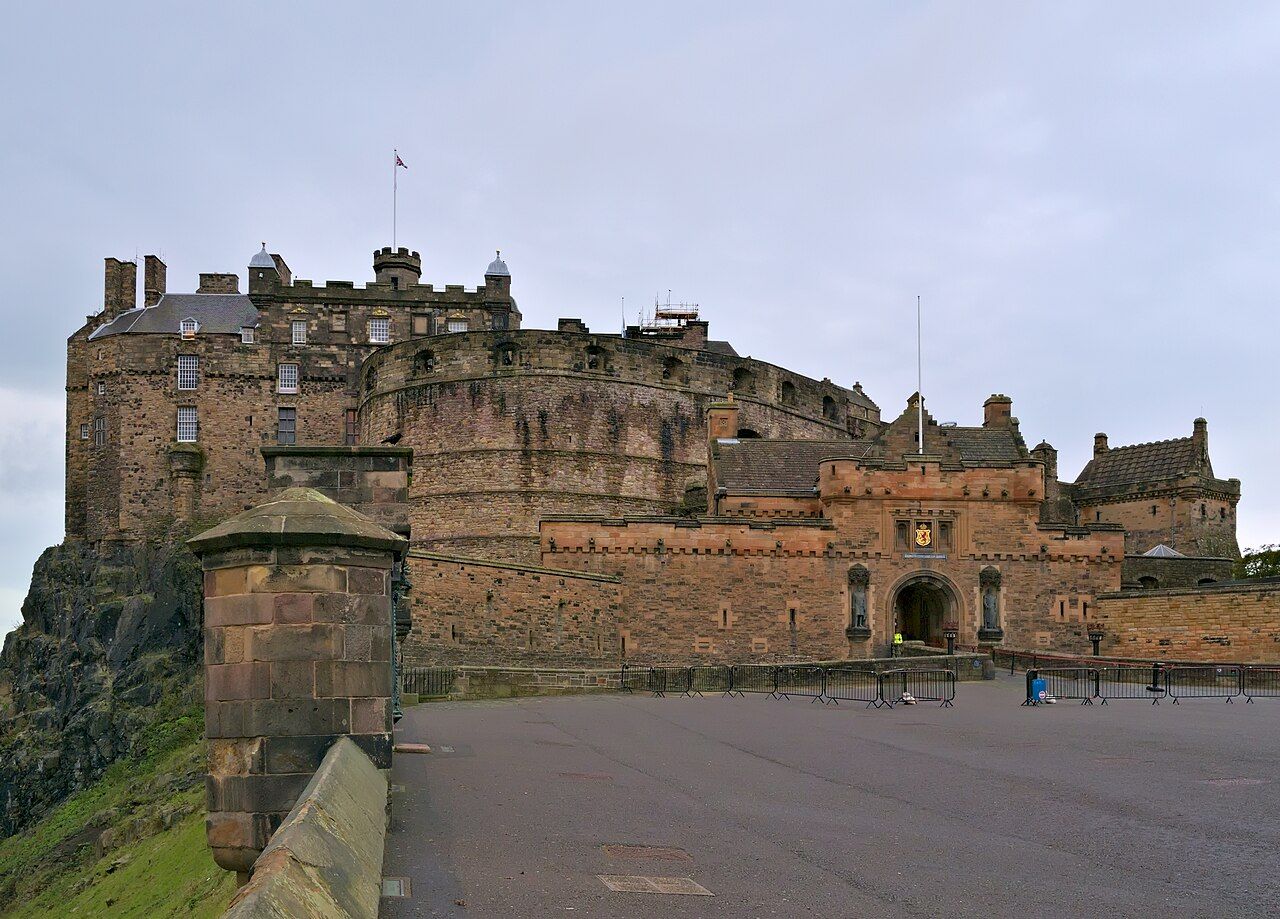 By Daniel Kraft (cc-by-sa) original
Edinburgh is Scotland's capital, a compact city of stone buildings on hills, built around a castle on an old volcanic rock. For most of the year it is a busy but manageable city. In August it changes completely. The August festivals bring hundreds of thousands of visitors, thousands of performers, and a temporary industry of venues, bars, box offices and crews. For anyone on a working holiday in Britain, it is one of the easiest places to find short-term work for a few weeks, and one of the hardest places to find a bed.
The UK's youth mobility routes depend on your passport, and the age limits, length of stay and application rules vary and change. Read the current conditions on the official UK government website before you plan. Employers must check your right to work before you start, so know how to show your status. If you are coming up from the south, our guide to the first month in London covers getting set up in Britain.
The August festivals
Several festivals run in Edinburgh across August, overlapping for most of the month: an international festival of theatre, music and dance, a book festival, an art festival, a military tattoo on the castle esplanade, and the Fringe. The Fringe is the largest: an open-access festival where anyone who can find a space can put on a show, so comedy, theatre, music and cabaret play in hundreds of rooms across the city, from large halls to church basements. Dates move a little each year.
The effect on the city is huge. The Royal Mile fills with performers handing out flyers, the streets around the university turn into temporary venues, and the trains and buses are packed. Some residents leave for the month. For people looking for work, all of that activity needs staff.
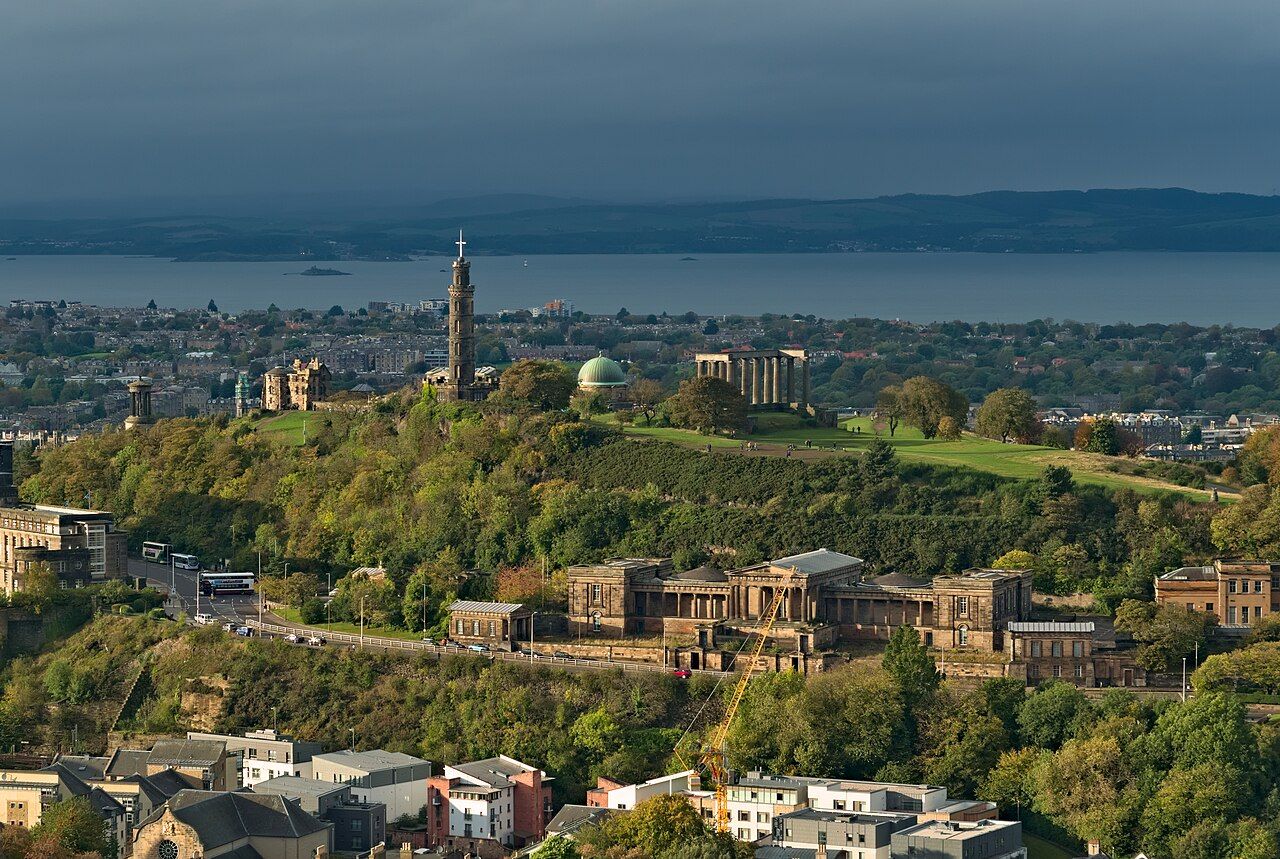 By Daniel Kraft (cc-by-sa) original

Seasonal work
Festival jobs are usually short, from a couple of weeks to the whole of August, with hiring that often starts in spring. Venues need box office and ticketing staff, front-of-house stewards, bar staff and technical crew for lighting and sound. Shows hire people to hand out flyers and sell tickets on the street. Bars, restaurants and hotels across the city take on extra staff for the season. Experience in hospitality, events or stage work helps, but many roles train you on the first day.
Expect long shifts, late nights and weekends, and expect that the work will end when the festivals do. Read any offer carefully. Some festival roles are unpaid volunteer places in exchange for free tickets, which may suit you or may not; make sure you know which kind you are accepting.
If you plan to stay beyond August, the city's hospitality trade carries on all year, with another busy spell in the weeks around Christmas and New Year. Before that, apply for your National Insurance number and open a bank account; the first-week checklist runs through the steps.
Also on the boardA working year in DublinRooms in August
The hardest part of an Edinburgh summer is the bed. During the festivals, rooms, flats and hostel beds are in heavy demand and prices rise sharply. Many residents let their flats out for the month. Student halls sometimes open rooms to visitors. Performers and crews book months ahead, and anyone who arrives in late July without a plan may struggle to find anything at all.
Sort your August room before you arrive, and if you are taking a festival job, ask the employer whether they help with accommodation, since some do. Scams are common at this time of year. Never pay a deposit for a room you have not seen or that you found only through a stranger's message, and be wary of listings that ask for payment by bank transfer to someone abroad. Our guide to finding a room without getting scammed covers the warning signs. Some people stay further out, in Leith or the suburbs, or in towns along the train lines, and travel in each day.
The Old Town and the New Town
Edinburgh's centre has two halves. The Old Town runs along a ridge from the castle down the Royal Mile to the Palace of Holyroodhouse, with narrow closes and wynds dropping off either side and tall tenements built over centuries. The New Town, to the north across the valley of Princes Street Gardens, is a planned grid of Georgian streets, squares and crescents laid out in the eighteenth and nineteenth centuries. Together they are a UNESCO World Heritage site, and walking between them takes a few minutes.
The castle sits on its rock at the top of the Old Town and can be seen from almost everywhere. Calton Hill, at the east end of Princes Street, is a short climb with views along the city and out to the Firth of Forth, and it is a good spot for an evening break between shifts. The streets are steep and cobbled in places, so comfortable shoes matter more than you expect.
Arthur's Seat and the days off
Arthur's Seat is the summit of an old volcano in Holyrood Park, right on the edge of the city centre. Several paths lead up from the park, and the climb takes about an hour for most people. From the top you see the whole city, the Firth of Forth and the coast to the east. The paths are steep and slippery when wet, and the wind at the top can be strong, so take care near the cliffs of Salisbury Crags and go down early if the weather turns.
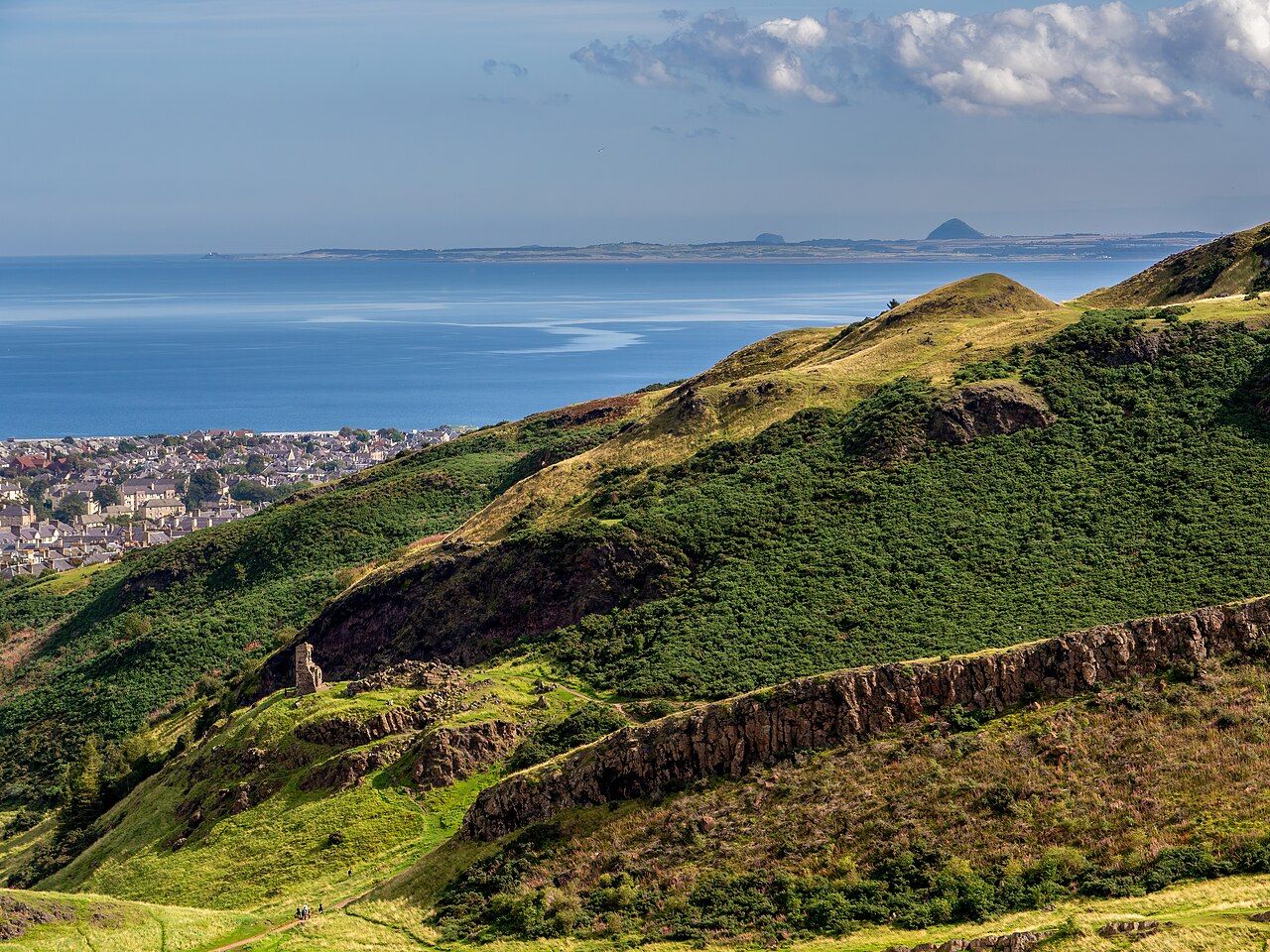 By Ermell (cc-by-sa) original

Scottish summer weather is cool and changeable. Sunny mornings turn to rain by afternoon, and the wind off the sea can be cold even in August. Carry a light waterproof whatever the forecast. The long summer evenings make up for it: in midsummer it stays light until late, which helps when you finish a shift at ten and still want to see the city.
When the festivals end, Edinburgh empties out and the pace slows. Some people stay for the autumn, others head north into the Highlands or across the Irish Sea to Dublin.