
Canada · Montreal
Montreal, and working in French
Montreal runs in French, and the language shapes which jobs you can get, how you rent and how you settle in. What to expect from the work, the metro, the winter and the summer.
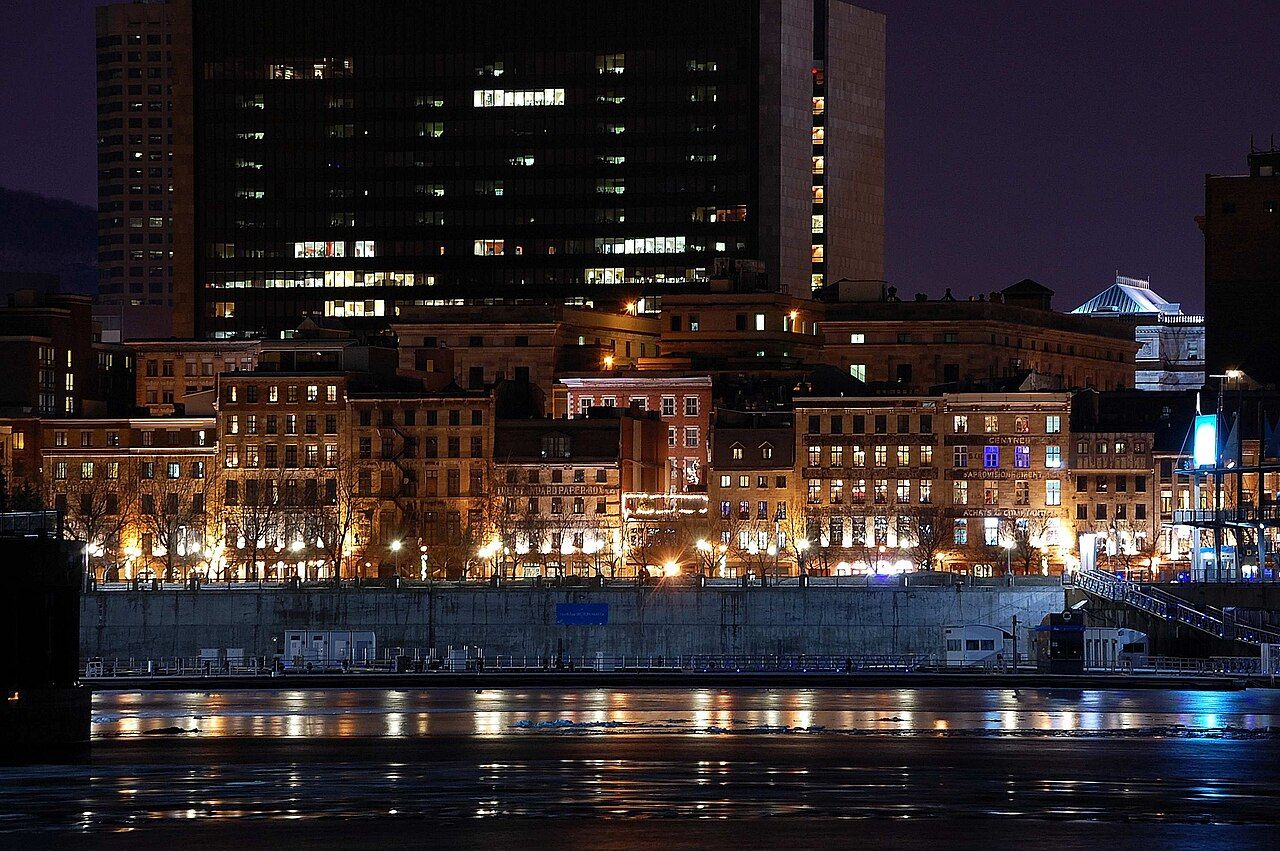 By Mickael Pollard (cc-by-sa) original
Montreal is Canada's second city and the largest French-speaking city in North America. For people on a working holiday it offers a different Canada from Vancouver or the Rockies: old stone streets, a busy food and bar trade, a big student population, rents that have long been lower than in the other large Canadian cities, and a calendar that swings between hard winters and crowded summers. It also asks something of you. French is the official language of Quebec, and the more of it you have, the more of the city opens up.
Canada's working holiday category is part of a wider youth mobility programme, and the rules on age, length of stay, quotas and invitations depend on your passport and change over time. The permit is federal, so it covers Quebec like any other province, but Quebec runs some of its own systems, including its own provincial tax return, and you should read the official Quebec government guidance once you start work.
Language at work
Quebec's language law makes French the normal language of work, business and public life in the province. In practice, Montreal is a bilingual city in many places, especially downtown and in the western neighbourhoods, and plenty of people work there with limited French. But it narrows your choices. Front-of-house jobs in restaurants and shops usually expect you to greet and serve customers in French, and many employers want staff who can switch between both languages.
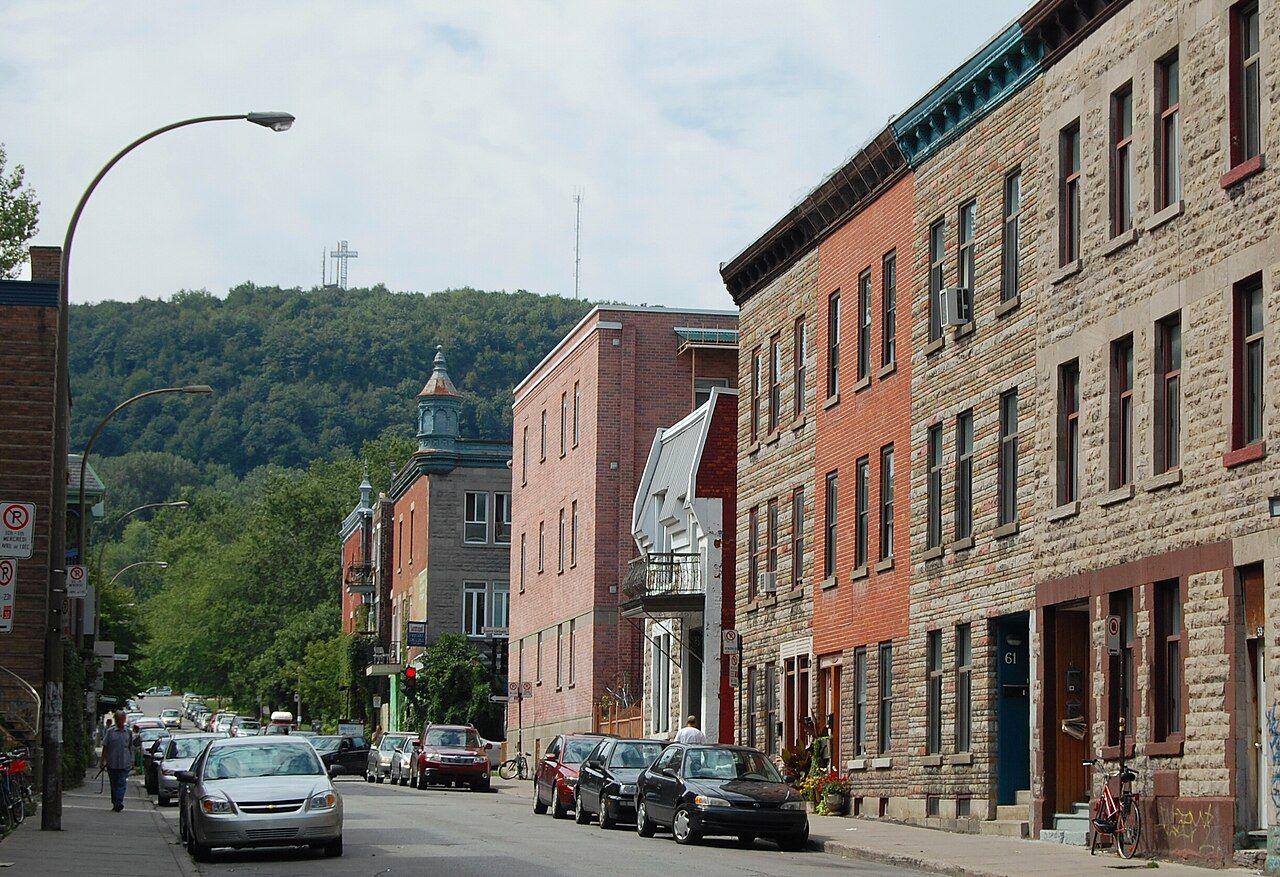 By Chicoutimi (public domain) original

If your French is good, it is a real advantage: bilingual customer service, call centre and office roles are common, and some pay better than kitchen work. If your French is basic, kitchens, warehouses, cleaning and some English-language workplaces are realistic places to start, and the language will come faster once you hear it every day. The province offers French classes for newcomers; check the official Quebec government website to see whether you qualify on your permit. Conversation exchanges, where you swap an hour of English for an hour of French, are easy to find and cost nothing.
Even a few phrases change how people treat you. Start conversations with "Bonjour", and switch to English only if the other person does.
The metro and the underground city
Montreal's metro has four lines, known by their colours: green, orange, yellow and blue. The trains run on rubber tyres and are quiet, and the network covers downtown, the Plateau, Old Montreal and many inner neighbourhoods. Buses fill in the gaps and run all night on some routes. You pay with the city's rechargeable fare card, and monthly passes are common among people who commute.
Downtown, many metro stations connect to a network of tunnels, malls, office lobbies and concourses often called the underground city. It is not one building but a long chain of linked indoor spaces, and in January it lets you walk between stations and office towers without going outside. Signs are in French, so learn the words for exit, entrance and connection early.
Also on the boardVancouver: the first monthNeighbourhoods and moving day
Newcomers often start in the Plateau, Mile End, Rosemont, Villeray or the areas around the universities. The Plateau has rows of brick and stone houses with the outside staircases the city is known for, and many apartments there are shared between students and young workers. Verdun and Saint-Henri to the south-west are popular too, close to the canal and the metro. Old Montreal, by the river, is beautiful but mostly tourist and office space, with few affordable rooms.
Many leases in Quebec run to the end of June, and the first of July is widely known as moving day, when a large share of the city changes address at once. Rooms and sublets turn over around then, and moving vans are hard to find. If you arrive in spring, the weeks before July are a good time to look. Never pay a deposit for a room you have not seen, and read the official Quebec tenant guidance before you sign; rules on deposits and leases there differ from other provinces. Our guide to finding a room without getting scammed lists the usual warning signs.
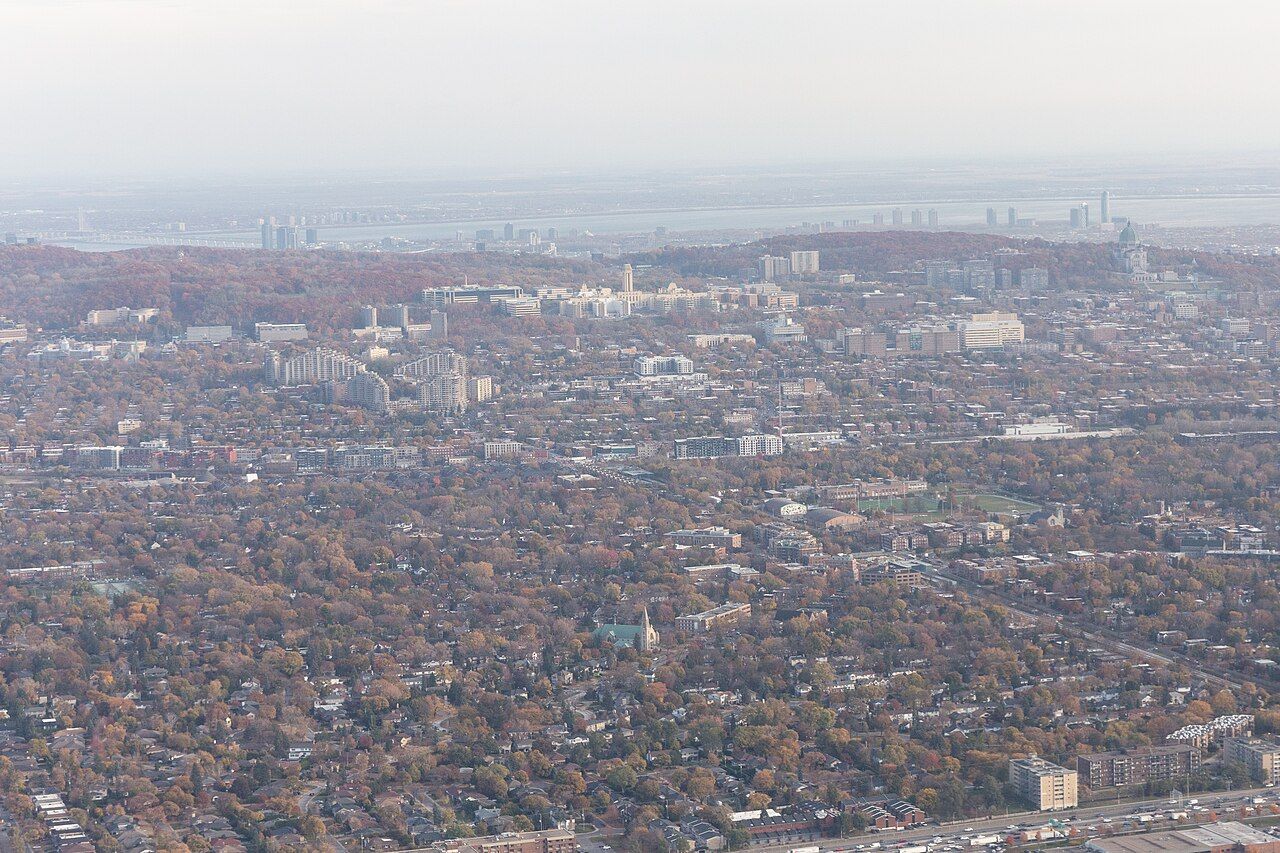 By Pymouss (cc-by-sa) original

Winter, and how to get through it
Winter in Montreal is long and cold. Snow usually arrives sometime in November or December and lies until roughly March, and the coldest weeks bring temperatures that make bare skin hurt within minutes. The city is built for it: pavements are cleared, the metro keeps running, and people carry on. But you need the right gear, and it is worth buying it locally once you arrive rather than packing it from home. A long insulated coat, a hat that covers your ears, warm gloves and waterproof boots with a good grip are the basics.
Ice is the main danger for pedestrians, especially on outside staircases and in the thaw-and-freeze weeks of early spring. Walk carefully, hold the rails, and watch for ice falling from roofs. Short daylight hours wear some people down, so plan days out and keep up some exercise. Mount Royal, the hill in the middle of the city, has paths for winter walks and is a good place to see the snow at its best.
Summer and the festival season
The reward for winter is a summer that the whole city spends outside. From roughly June to August there is a run of large festivals: a major jazz festival, a comedy festival, music and fireworks evenings, and many smaller street events. Downtown streets are closed to traffic for some of them, and the parks fill every evening.
For a working holiday that means work. Festival organisers, bars, restaurants and terraces all take on extra staff for the summer, and hiring for that often starts in spring. Bilingual staff are in demand at information points and ticket desks. Expect late finishes and long weekends while the season runs.
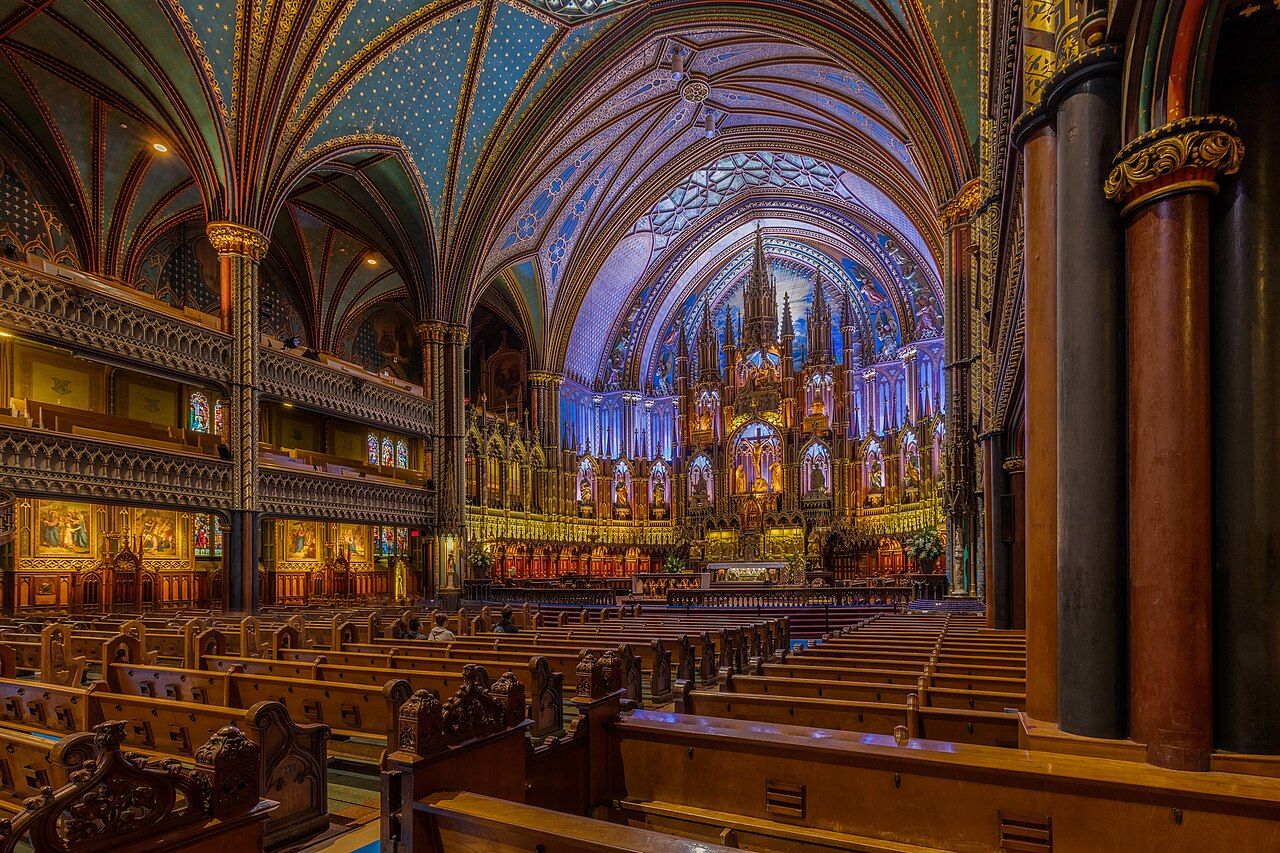 By Diego Delso (cc-by-sa) original

On days off, walk up Mount Royal for the view over the city, explore Old Montreal and the Old Port along the river, and visit Notre-Dame Basilica, whose interior is one of the most striking in the country. Tipping is a large part of income in table service, so the busy summer months are often the best time to save. If you are moving on afterwards, our guide to Banff and the Rockies covers a summer in the mountains out west.