
Canada · Banff
Banff and the Rockies in summer
Banff is a small town inside Canada's oldest national park, and every summer it needs thousands of seasonal workers. What living there involves, from residency rules and bears to Lake Louise and the Icefields Parkway.
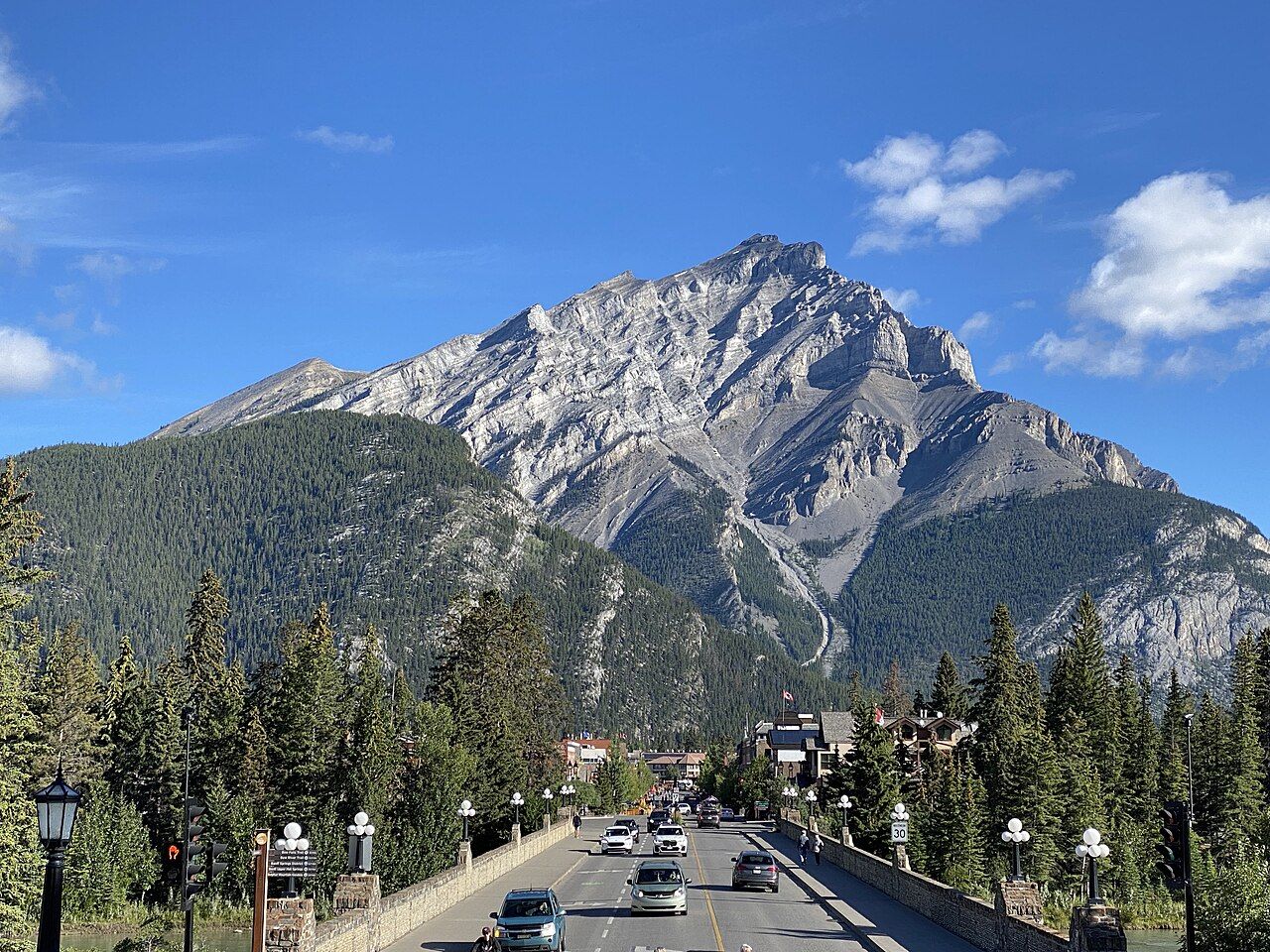 By Adam Bishop (cc-by-sa) original
Banff sits in the Bow Valley in the Canadian Rockies of Alberta, inside Banff National Park, the oldest national park in Canada. In summer, the town and the hamlet of Lake Louise fill with visitors from around the world, and hotels, restaurants, shops and tour operators need far more staff than the park's small permanent population can supply. For working holiday makers, it is a chance to spend a season in the mountains, with lakes and trails on your doorstep.
Eligibility and length of stay differ by passport, and the scheme expects you to hold health insurance for your whole stay. Rules change, so read the latest version.
Living inside a national park
Banff is unusual. Because it is inside a national park, the right to live there is restricted. In general, you need to work in the park, or have another eligible reason, to rent a home in the town. The aim is to keep the town from growing into the surrounding wilderness, and it means housing is tight.
Many large employers provide staff accommodation, usually shared rooms, and for most seasonal workers that is the easiest way to live in Banff. Ask about it when you apply, and find out what is included and how rent is taken from your pay. Some people live in Canmore, just outside the park boundary, where there are no residency limits, and commute by bus. Never pay for a room you have not seen. Our guide to finding a room without getting scammed covers the usual tricks.
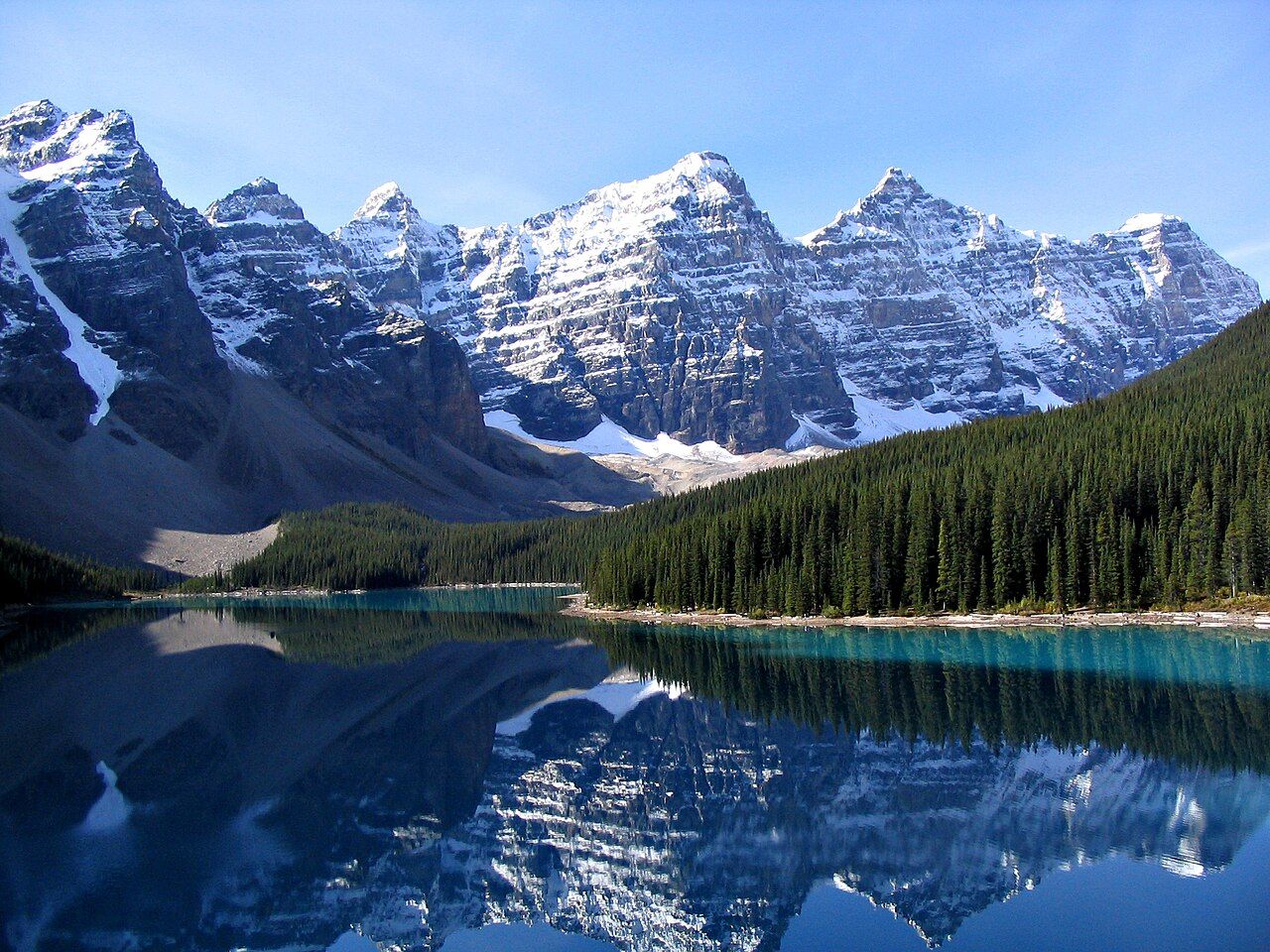 By Gorgo (public domain) original

Bears and the rules
Banff is home to grizzly bears and black bears, along with elk, wolves, cougars and bighorn sheep. Elk wander through the town itself. Wildlife is part of daily life here, and the rules exist to keep both you and the animals alive.
On the trails, carry bear spray where you can reach it fast, and learn how to use it before you need it. Hike in groups, make noise, especially near streams and in thick bush, and keep dogs on a leash. Some trails have group-size rules or closures during certain months to protect bears, and these are posted at trailheads and on the official parks website. Never approach or feed wildlife, keep a safe distance from elk, especially in calving season in spring and the rut in autumn, and store food and rubbish properly. If you see a bear, stay calm, do not run, and back away slowly.
Driving in the park needs attention too. Animals cross the highways, especially at dawn and dusk, and the speed limits are lower in places for that reason. Do not stop on the highway to take photos of wildlife.
Work and the short season
The main season is short. Summer usually runs from around June to September, with the busiest weeks in July and August, and many seasonal contracts run from roughly May to early October. Hiring for the summer usually starts in late winter and spring, so apply early, and say clearly when you can start and when you plan to leave.
Also on the boardA winter in WhistlerHospitality and housekeeping employ the most people. Hotels need room attendants, front desk staff and kitchen teams, and the restaurants and bars along Banff Avenue hire waiting staff, cooks and dishwashers. Shops, tour operators and guest services take on seasonal staff too. Bar and serving jobs in Alberta need a provincial responsible serving certificate. You also need a social insurance number from the official government office, and minimum wage and employment rules are set by the province.
Shifts are often long in peak season, and many people work six days a week through the summer. Plan to save money in those months, because hours can drop sharply when the visitors leave.
Winter is the second season in the park, with three ski areas within reach of the town. Some people stay for both. If you would rather try a ski town on the coast, our guide to a winter in Whistler covers what that involves.
Lake Louise and the Icefields Parkway
Lake Louise is under an hour's drive west of Banff, with a small hamlet near the highway and the lake itself up the hill. The lake's colour comes from fine rock dust washed down by glaciers. Moraine Lake, nearby, sits below the Valley of the Ten Peaks. Both are busy, and access for private cars has been restricted in recent years, with parking limited and shuttle buses run instead.
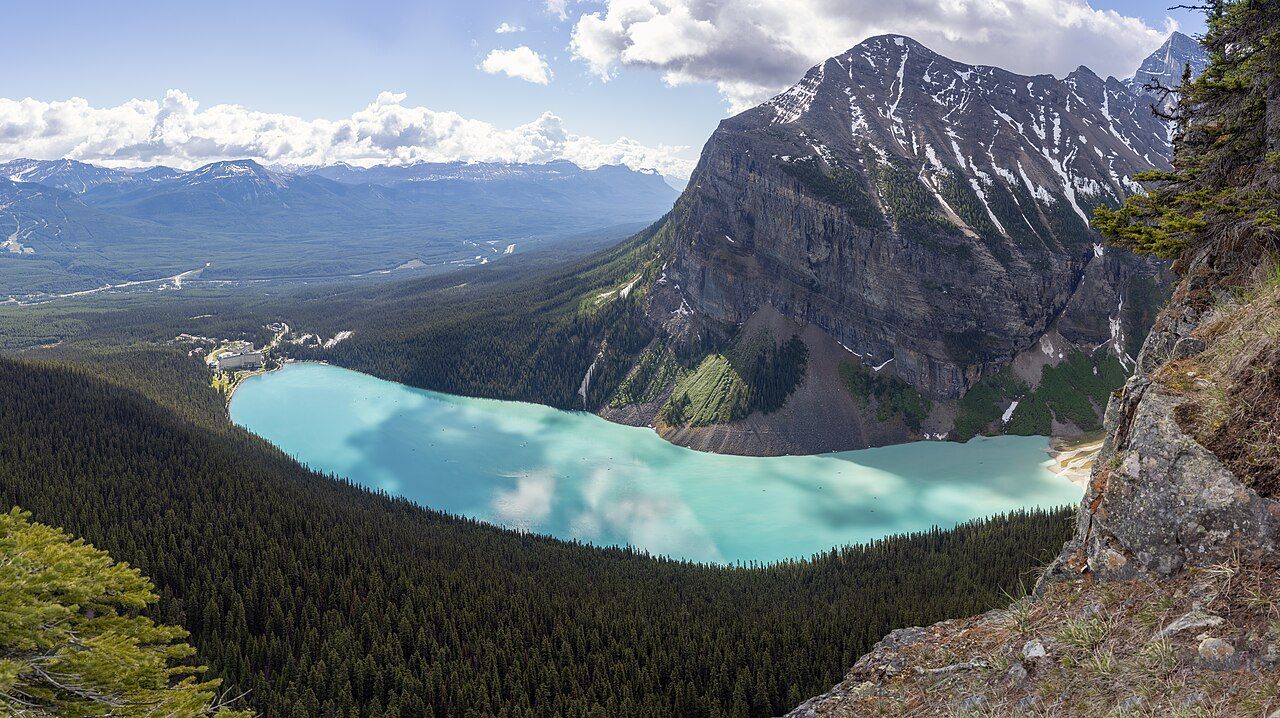 By Chensiyuan (cc-by-sa) original

North of Lake Louise, the Icefields Parkway runs for a long stretch through the mountains to Jasper, past glaciers, waterfalls and lakes. It is one of the great mountain roads of the world. There is little along it: few places to buy fuel or food, and long stretches without mobile signal. Fill up before you leave, carry water, warm clothes and food, and tell someone your plans. In winter, the parkway can close in poor weather, and winter tyres or chains are required in the colder months.
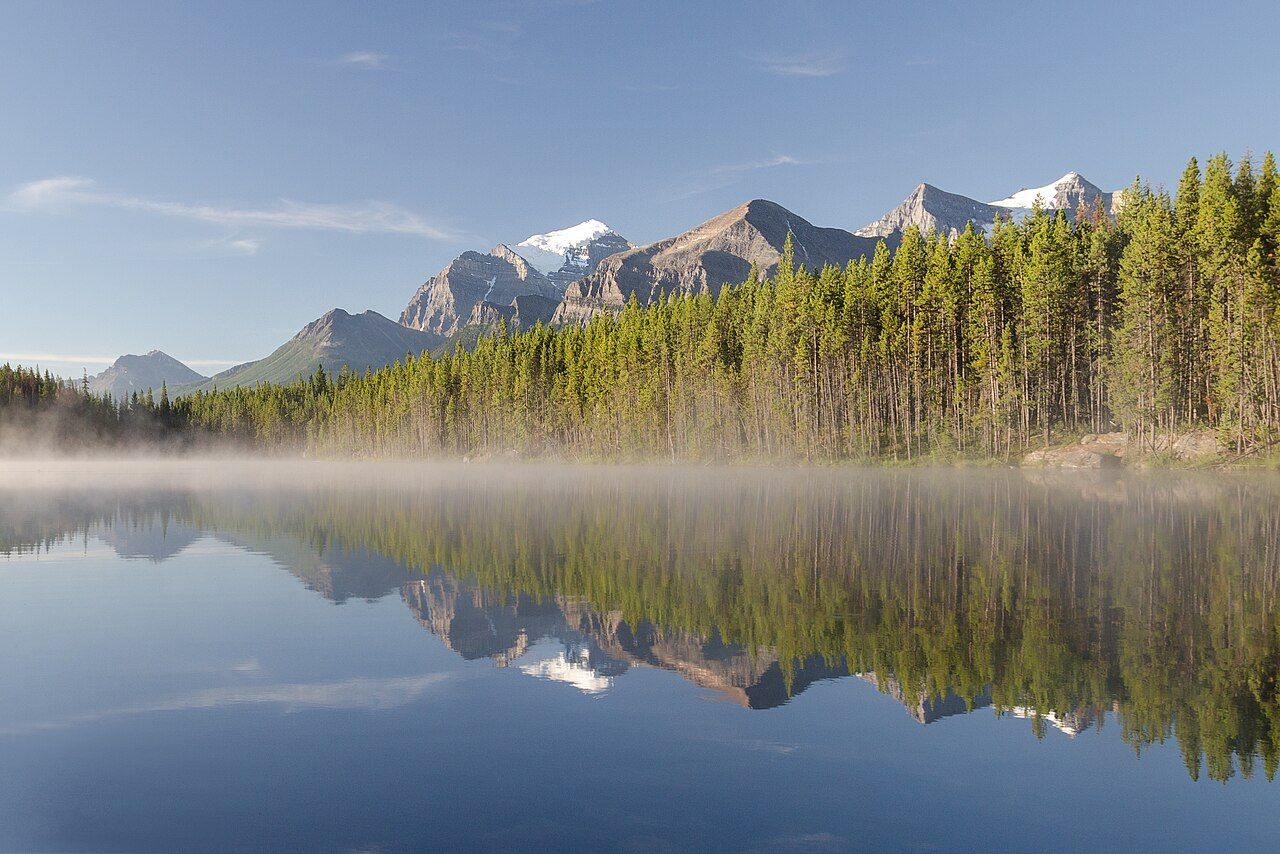 By Florian Fuchs (cc-by) original

Days off and getting there
Days off are why people come to Banff. Trails start at the edge of town, and longer hikes reach lakes and passes all through the park. A national park pass is required to stop in the park, and you can buy one from the official parks agency. Weather changes fast in the mountains: snow can fall in any month at height, and summer afternoons bring thunderstorms. Wildfire smoke can fill the valleys in some summers, and fire bans apply when the risk is high.
Most people arrive through Calgary International Airport, then take a bus or drive west along the Trans-Canada Highway, roughly a ninety-minute trip. Some come over from Vancouver, which takes most of a day by road. If you are starting in Canada's west, a month in Vancouver is a common first stop before the Rockies.
A summer here goes quickly. Plan ahead for housing, look after yourself on the trails, and save enough from the busy months to carry you through the quiet ones.