
New Zealand · Auckland
Landing in Auckland
Most working holidays in New Zealand start here. How to use your first days in Auckland to get set up, find your feet among the volcanoes and ferries, and plan the trip south.
 By DXR (cc-by-sa) original
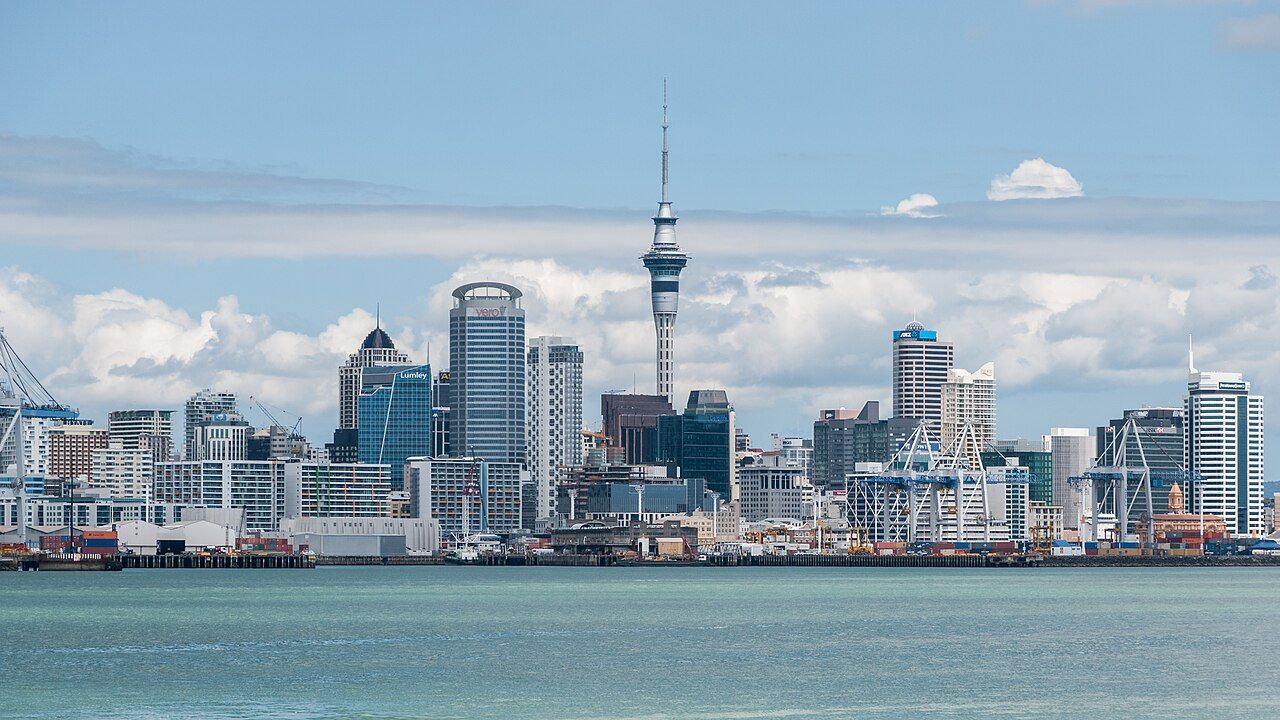
Auckland is New Zealand's largest city and the place where most long-haul flights land. For many people on a working holiday it is a stopover of a week or two: long enough to sort a tax number, a bank account and a phone, then head south towards the mountains and orchards. Others stay for months, because Auckland has more jobs than anywhere else in the country and a harbour that makes city life easier to bear.
Before you fly, read the conditions of your visa on the official immigration website. New Zealand's working holiday schemes differ by passport, and rules on age, length of stay, caps and extensions change. Keep a copy of your approval with your passport and in your email.
A city built on volcanoes
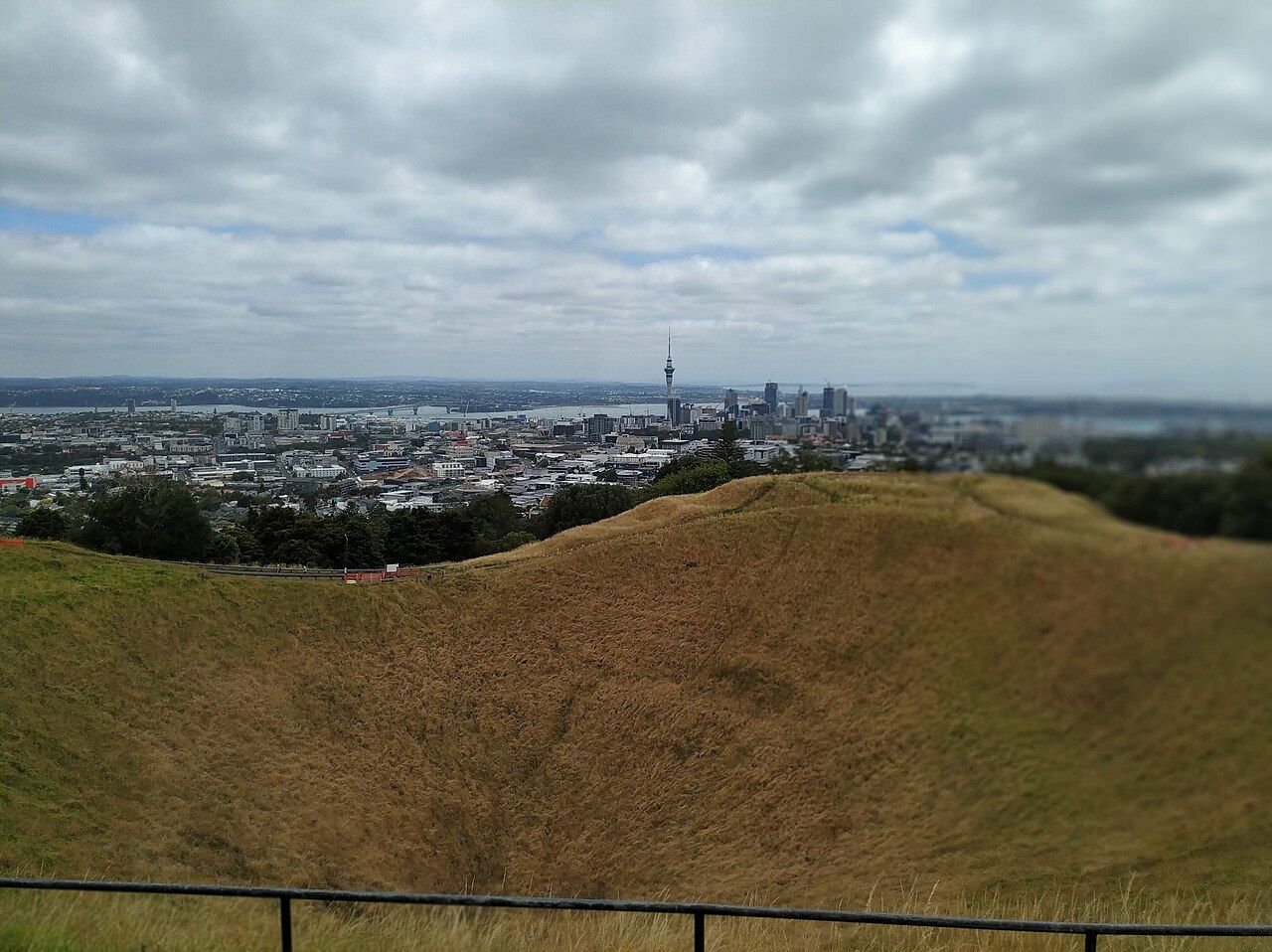
Auckland sits on a narrow neck of land between two harbours, the Waitemata to the east and the Manukau to the west, and it is scattered with small volcanic cones. Most are grassy hills now, often with a crater at the top and terraces cut into the slopes by Māori settlements long before the city existed. They make the best free viewpoints in town and a good first walk to get your bearings.
 By Prácticas Intraescolares (cc-by-sa) original

Maungawhau, or Mount Eden, is the closest big cone to the centre and the one most people climb first. The crater is deep and fenced off, and visitors are asked not to walk into it, out of respect for its cultural importance. Maungakiekie, or One Tree Hill, sits in a large park further south. Out in the gulf, Rangitoto Island is the youngest of the volcanoes and its shape is visible from almost everywhere on the waterfront.
Walking up two or three cones in your first week is a cheap way to understand how the city fits together: where the centre is, which suburbs sit along the water, and how far the city sprawls.
Ferries, buses and trains
Public transport in Auckland is run by a council body, and you pay with the city's own transport card, tapping on and off as you go. Buses do most of the work. Trains run on a handful of suburban lines out to the south, west and east.
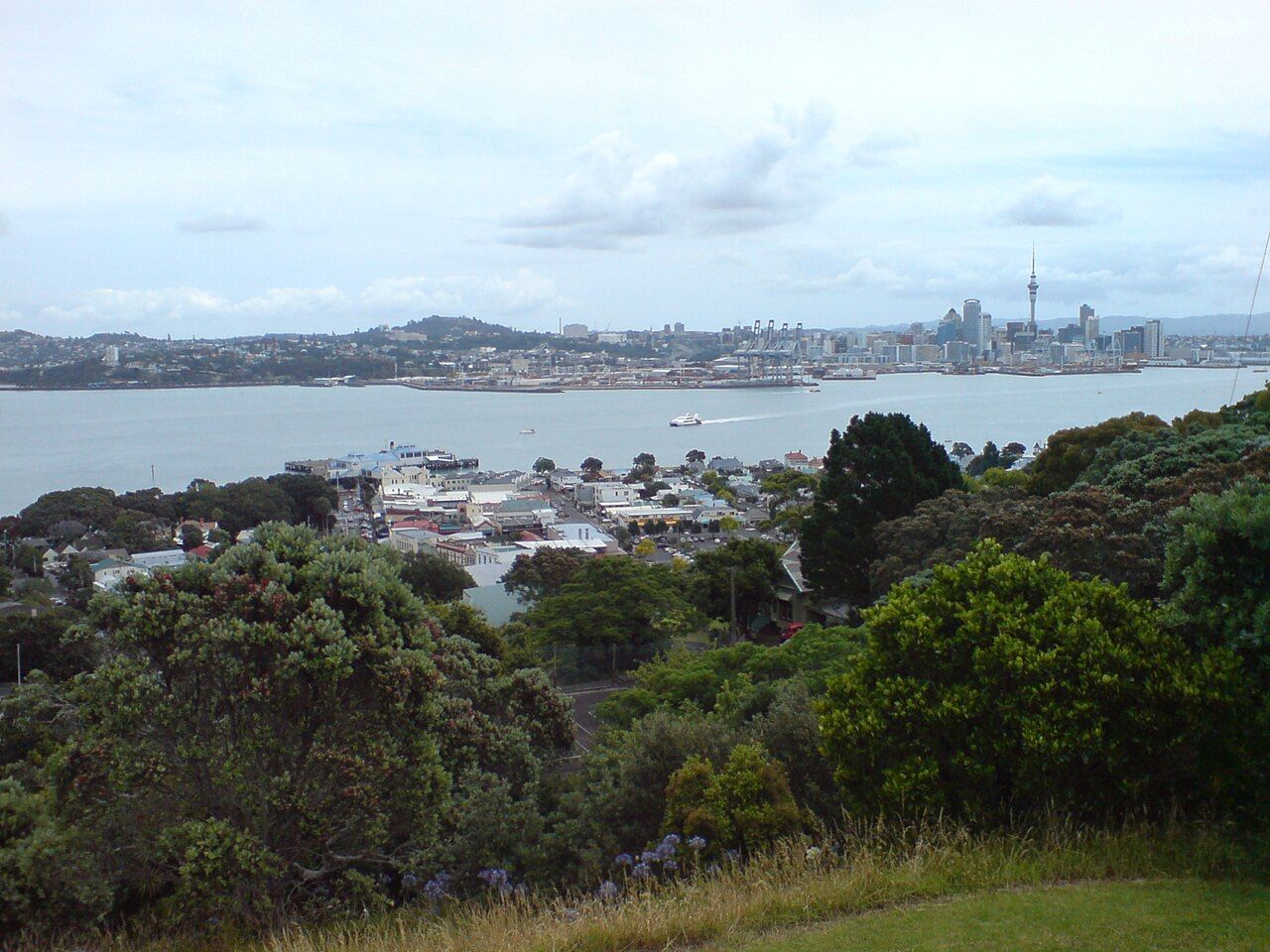
Ferries are the pleasure of the system. Boats leave the downtown terminal for Devonport, Waiheke Island and other points around the harbour, and they use the same card. The crossing to Devonport is short, and from the top of Mount Victoria there you get the classic view back across the water to the city.
 By Ingolfson (public domain) original

Traffic in Auckland is heavy at peak times and parking in the centre is limited, so most people manage without a car until they leave the city. If you do drive, remember that New Zealand drives on the left, and give yourself a few quiet days to adjust before the motorway.
The inner suburbs
Newcomers tend to start in the city centre or the inner suburbs around it. The centre has the most short-term rooms and is close to the ferry terminal and the main bus routes, but it can feel busy and expensive. Just to the west, Ponsonby, Grey Lynn and Kingsland have wooden villas, cafes and bars, and many of their old houses are split into flatshares. Mount Eden and Parnell are a little further out and a little quieter.
Across the harbour, the North Shore suburbs such as Devonport and Takapuna are more suburban, with beaches close by and a bridge or ferry between you and the centre. Rents across Auckland are high compared with the rest of the country, and flats close to the centre or the water cost the most.
Also on the boardFinding a room without getting scammedMost people book a hostel or short let for the first week and look for a flatshare once they arrive. Never pay a deposit or bond for a room you have not seen in person, and be wary of anyone who says they are overseas and will post you the keys. On a proper tenancy, New Zealand has an official service that holds bonds, so ask whether yours will be lodged with it. Our guide to finding a room without getting scammed lists the usual warning signs.
Getting set up
The first job is a tax number. You apply to the official tax authority, Inland Revenue, and without one you are taxed at a high rate on your pay. Most banks will open an account for working holiday makers, though some want proof of an address, so a hostel letter or tenancy agreement can help. A local SIM from a mobile provider gives you a New Zealand number for employers to call. The first-week checklist runs through these steps in order.
Auckland has the widest spread of work in the country. Hospitality hires all year, office temping suits people with admin or customer service experience, and construction, warehouse and retail work come and go with demand. Bring a CV in the local style, short and plain, with New Zealand contact details. Minimum wage and holiday pay rules are set nationally and change from time to time.
Be wary of job offers that ask you to pay up front for training, a uniform or a placement, and of work that is cash in hand with no payslip. A real employer asks for your tax number and pays into your bank account.
Weather and the weekly rhythm
Auckland's climate is mild and damp. Summers are warm and humid, roughly December to February, and winters are cool and wet rather than cold. Showers blow through in any season, so a light rain jacket earns its place in your bag more than a heavy coat. The sun is strong even on cloudy days, and sunburn catches newcomers out, so wear sunscreen and a hat.
On weekends, the regional parks and black-sand beaches of the west coast are within reach by car, and the islands of the gulf are a ferry ride away. The west coast surf beaches have strong currents and rips: swim only between the flags where lifeguards patrol, and read the signs.
Heading south
Sooner or later most people leave. Some buy a van in Auckland, where the choice is wide, and drive south through the North Island to the ferry at Wellington. Others fly straight to Queenstown or Christchurch. If you plan to buy a vehicle, check its ownership and roadworthiness records before handing over money, and read our guide to living out of a van in New Zealand first.
Where you head depends on the season. Winter means the ski fields, and our guide to Queenstown and its two seasons covers what that involves. Summer means fruit and grapes in the south, with Central Otago one of the busiest harvest areas. Whichever way you go, leave Auckland with your paperwork done, a working phone and enough savings to carry you to the first pay day.