
New Zealand · New Zealand
Living out of a van in New Zealand
A van can be your home, your transport and your way between jobs for a whole working holiday. What to know about camping rules, crossing between the islands and driving through the winter.
 By Szilas (cc-by-sa) original
Buying a van and living in it is one of the classic ways to spend a working holiday in New Zealand. It lets you follow the work from orchard to ski field, sleep near the job rather than paying rent in a crowded town, and see the country on your days off. It is also cold, cramped and closely regulated, and the rules on where you can sleep have tightened over the years. Know them before you buy.
Your visa conditions come first. Check them on the official immigration website, since working holiday schemes differ by passport and change over time.
Buying a van
Auckland and Christchurch have the biggest choice of vans, since that is where most travellers arrive and leave. Prices rise at the start of the main travel season and fall at the end, when people sell up before flying home. Buying in autumn and selling in spring is cheaper in theory, but leaves less time to find a buyer before you leave.
Before you pay, check that the vehicle has current registration and a current certificate of roadworthiness, known as a Warrant of Fitness. You can check whether there is money owing on a vehicle through the official records, so do that too. Diesel vehicles also pay road user charges, which are bought separately from fuel. Change of ownership is recorded with the official transport agency, and both buyer and seller should complete it. Get a mechanic to look at any van before you hand over money, and never pay a deposit for a vehicle you have not seen.
Self-contained rules, in general
New Zealand treats vans in two groups: those certified as self-contained and those that are not. A self-contained vehicle carries its own fresh water, waste water and toilet facilities, so it can stay somewhere without leaving any mess behind. Certified vehicles show this on a sticker and a certificate.
The standard has been tightened in recent years. The requirements for what counts as self-contained, and the transition rules for older certifications, have changed. A van that was certified under older rules may not qualify now. Many cheap vans for sale are not self-contained at all, and that limits where you can legally sleep.
 By European Space Agency (Attribution) original

Freedom camping and where it is banned
Freedom camping means staying overnight on public land that is not a campsite. It is allowed in some places and banned in many others, and the rules are set by local councils and by the Department of Conservation for the land it manages. Popular areas, including much of the Queenstown Lakes district, have strict limits. Signs at the roadside show whether camping is allowed, and many places allow only certified self-contained vehicles.
Fines for camping where it is not allowed are enforced, and they are not small. If you are unsure, pay for a campsite. The Department of Conservation runs many simple campsites in beautiful places, often with basic toilets and water, and commercial holiday parks offer showers, kitchens and laundry. A mix of the two is how most van dwellers live. Never leave rubbish or toilet waste behind, wherever you sleep.
Also on the boardOrchards and vineyards of Central OtagoCrossing between the islands
To move a van between the North and South Islands, you take a ferry across Cook Strait, between Wellington and Picton. Two companies run the crossing, which takes roughly three to four hours. Book ahead in summer and around holidays, because vehicle space fills up. The strait can be rough, so if you get seasick, take something before you board.
The approach to Picton through the Marlborough Sounds is one of the best parts of the trip, with steep green hills dropping into still water. Many people head straight for the fruit regions and ski towns of the south. Our guides to orchard work in Central Otago and Queenstown's two seasons cover two of the most common destinations.
Driving, distances and winter roads
New Zealand drives on the left. Roads are mostly two lanes, often narrow and winding, with one-lane bridges where you need to read the signs to see who gives way. Distances on the map look short, but travel times are long. Plan for slower speeds than you expect, and pull over to let queues of traffic pass.
Fatigue is a real risk, especially after early shifts in the orchards or on the mountain. Stop for a break every couple of hours, share driving if you can, and do not push on after dark on unfamiliar roads.
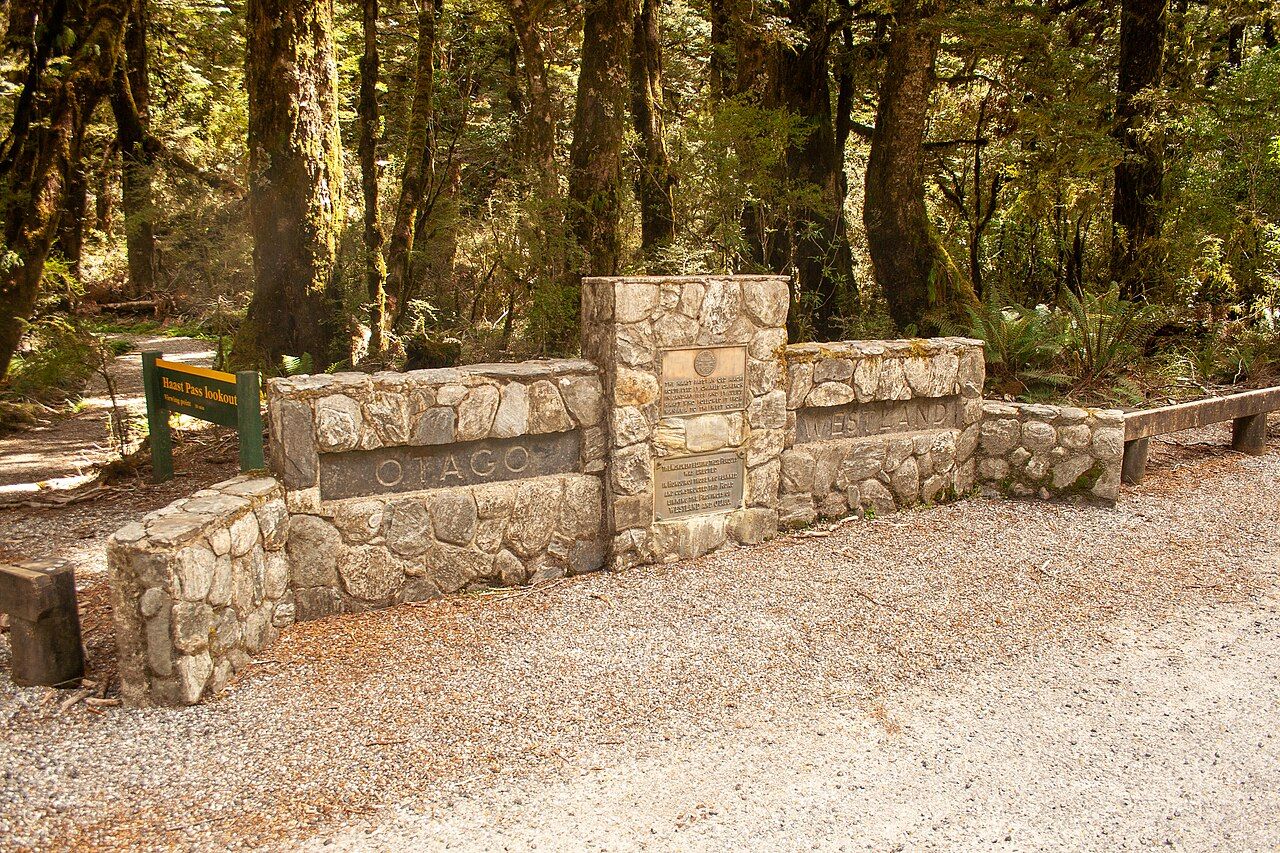
Winter, roughly June to September, brings snow and ice to the mountain passes. Routes such as Lewis Pass, Arthur's Pass, the Haast Pass, the Crown Range and the Desert Road in the North Island can close or need chains. Carry snow chains and practise fitting them before you need to. Black ice forms in shaded corners even on sunny days. Check road conditions on the official transport website before every mountain drive.
Living in a van in winter is cold. Condensation builds up inside, bedding gets damp and mornings are freezing. Bring a sleeping bag rated for sub-zero nights, open a window slightly for air, and never use a gas heater or stove inside a closed vehicle, because of the risk of carbon monoxide.
Making it work
A few habits make van life easier. Keep valuables out of sight and lock the van when you leave it, as break-ins at trailheads happen. Fill your water and fuel when you can, because towns can be far apart on the West Coast and in the high country. Use public libraries for wifi and charging, and a gym or holiday park for showers.
Set aside time and money to sell the van at the end. List it early, have the paperwork ready, and complete the change of ownership with the buyer on the day of sale. Our first-week checklist covers the paperwork you need when you first arrive, and much of it applies again on the way out.