
Setting up · Anywhere
The first-week checklist
The paperwork that lets you start earning: a tax number, a bank account, a local phone number, health cover, an address and a CV written the way local employers expect.
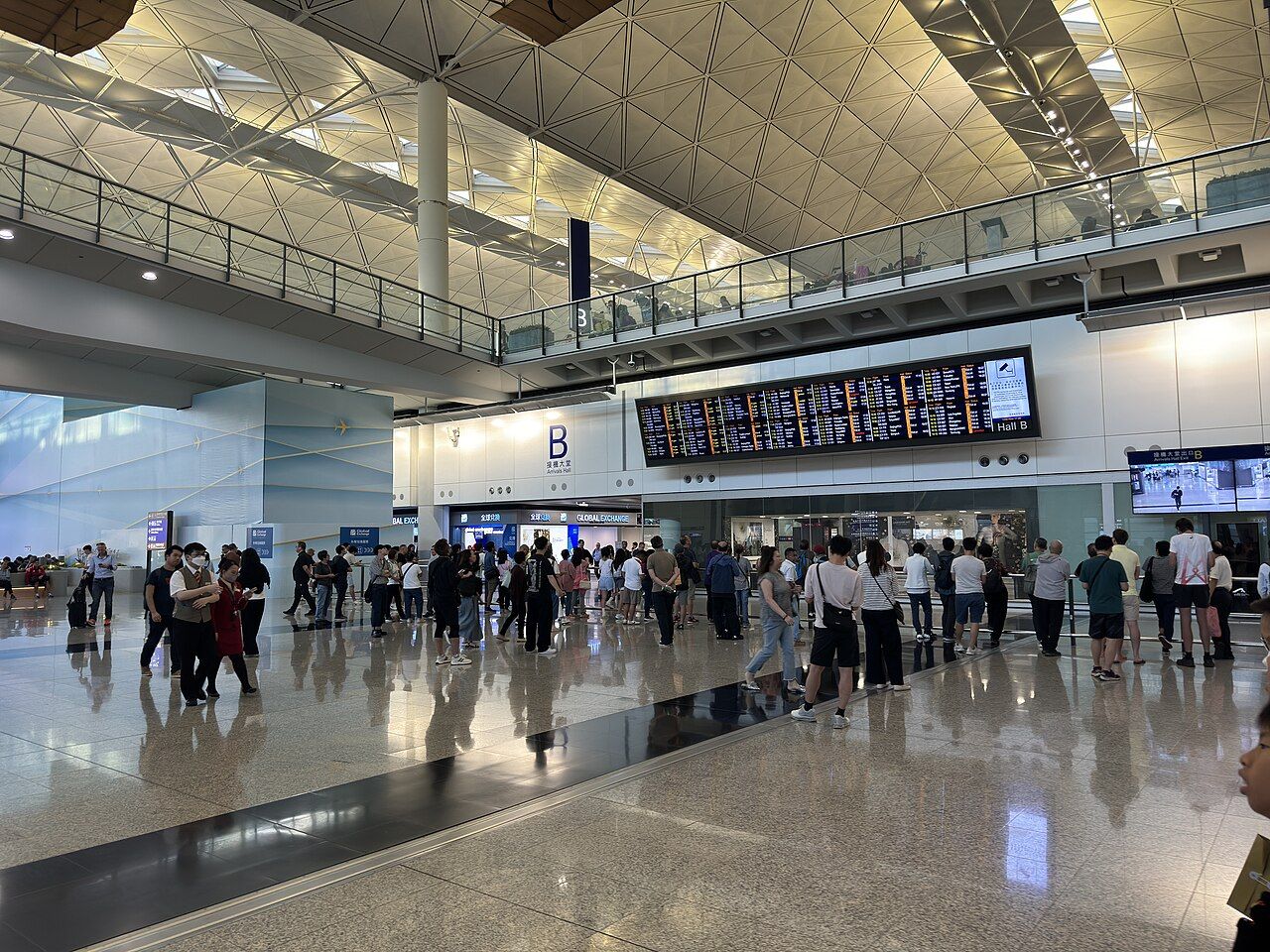 By LN9267 (cc-by-sa) original
The first week of a working holiday is mostly admin. It is not the part anyone posts about, but it decides how quickly you can start earning. Employers want a tax number, a local bank account and a phone number they can call. Landlords want an email trail and sometimes a reference. If you get these sorted in the right order, you can be ready to work within days rather than weeks.
This checklist works for any of the usual working holiday countries: Australia, New Zealand, Canada, the United Kingdom, Ireland and Japan. The names of the forms differ, the order is roughly the same. Every rule mentioned here is described in general terms, because fees, eligibility and processing times change. Check each step on the official government website of the country you are in before you rely on it.
Before you land: documents in one place
Start before the flight. Put your passport, your visa grant or approval letter, travel insurance details, bank cards and a few printed copies of your CV into one folder that stays in your hand luggage. Save scans of all of them somewhere you can reach from any phone or computer, and email a copy to yourself as a backup.
- Your visa grant, printed and saved. Some countries issue the visa electronically and some activate it at the border; read your own grant letter so you know which applies.
- Proof of funds, if your scheme asks for it. Some schemes expect you to show savings on arrival or at application; the amount is set on the official immigration website.
- Two or three references with phone numbers and email addresses, ideally from recent jobs.
- A driving licence from home, plus an international driving permit if the country you are going to requires one.
Tax number and bank account
These two come first because almost every other step depends on them. Without a tax number, employers usually have to withhold tax at a higher emergency rate. Without a bank account, you have nowhere to be paid.
The tax number
Each country has its own version. In Australia it is a tax file number, in New Zealand an IRD number, in Canada a social insurance number, in the UK a National Insurance number and in Ireland a PPS number. In Japan your residence card and the address registration at your local municipal office are the starting point, and your employer will usually ask for your individual number once you have one. Most of these are applied for online or at a government office, and some take a week or more to arrive by post or email. Apply as soon as you have an address you can use.
Tax rules for working holiday makers are often different from the rules for residents, and they change. Do not take figures from forum posts or older guides. The official tax authority website explains what rate applies to you, whether you need to lodge a return when you leave, and how to claim back anything overpaid. Keep every payslip; you will need them at the end of the year.
The bank account
Opening an account is usually straightforward with a passport and visa, although some banks also want proof of address, which can feel circular when you have only just arrived. Ask a bank which documents it accepts; a letter from a hostel or the first official letter sent to your new address often works. Choose an account with no monthly fees if you can, and note that transfers from home cost money every time, so move a larger sum once rather than small amounts every week.
Apply for the tax number on the first working day you are in the country, because everything else waits on it.
Apply for the tax number on the first working day you are in the country, because everything else waits on it.
Phone, address and health cover
A local phone number matters more than people expect. Recruiters and managers call rather than email, and an overseas number looks like you might leave next week. Prepaid SIM cards and eSIMs are sold at airports, supermarkets and phone shops. Compare a few mobile providers on coverage outside the cities if you plan to work on farms, in ski towns or on the road, because coverage drops sharply in remote areas. Check that your phone is unlocked before you leave home.
Also on the boardFinding a room without getting scammedAn address
You will need an address for the tax office, the bank and some employers. A hostel address works for a few weeks, but letters can go missing and some offices will not accept it. In Japan, registering your address at the municipal office within a set period after you move in is a legal requirement, and it is the step that unlocks much else there, so it is worth reading how it works for the ward or town you live in. Once you find a room, update your address everywhere at once and keep a list of where you have registered. If you are heading for a city with a tight rental market, the guides to the first month in London and Vancouver go into the local detail.
Health cover
Public health systems treat visitors differently. Some countries have reciprocal agreements with certain passports that give limited access to public care, some require you to hold private insurance as a condition of the visa, and in Japan residents are generally expected to join a public health insurance scheme. What applies to you depends on your passport and the country, so read the conditions on the official immigration website and your own policy before you need them. Carry your insurance details on your phone and in your wallet. If you plan to ski, surf, dive or work with machinery, check what your cover excludes.
 By AnnWoolliams (cc-by-sa) original

A CV in the local style
A CV that works at home may not work abroad. Rewrite it in the first few days, before you hand any out.
- Length. One or two pages. For hospitality, retail and labouring, one page is plenty.
- Local contact details. Your new phone number and an email address you check, at the top.
- Visa line. One plain sentence saying you hold a working holiday visa and when it runs to. Employers want to know you can legally work and for how long.
- Spelling and terms. Use the local spelling and job titles. A role called one thing at home may have a different name abroad.
- Photos. In Australia, New Zealand, Canada, the UK and Ireland, CVs usually leave out a photo, date of birth and marital status. Japan is different: many employers expect a set résumé format with a photo, and a Japanese version helps if you can get one checked by a native speaker.
- Tickets and certificates. Some jobs need a local certificate, such as responsible service of alcohol, food safety, a site safety card or first aid. Check what the work you want requires, and get it before you apply rather than after.
In tourist towns, handing a printed CV to a manager on a quiet weekday morning still works, and it is often faster than applying online. Avoid lunch and dinner service. The city guides, starting with your first weeks in Sydney, say which kinds of work tend to hire quickly in each place.
Money, scams and keeping records
The first weeks cost more than any other part of the year. You are paying for a bed, deposits, a SIM, transport cards, work clothes and possibly a certificate course before your first pay arrives, and some employers pay fortnightly or monthly. Budget for at least a month without income.
Scams aimed at new arrivals
Fake job ads and fake room listings target people who have just landed and are in a hurry. Be wary of any job that asks you to pay for a uniform, training or a placement up front, or that offers far more than similar work. Never pay a deposit for a room you have not seen in person or by a live video call with the person who lives there. Government departments do not phone to demand payment in gift cards.
Keep everything
Create one folder, paper and digital, for the year. Into it go payslips, contracts, tax letters, your bank details, rental agreements, deposit receipts and any record of regional or specified work you might need for a visa extension. Some schemes require evidence of particular kinds of work for a second year, and the rules on what counts are set on the official immigration website; collect the evidence as you go, not at the end. If you are planning regional work and the harvest seasons in Australia, this matters even more.
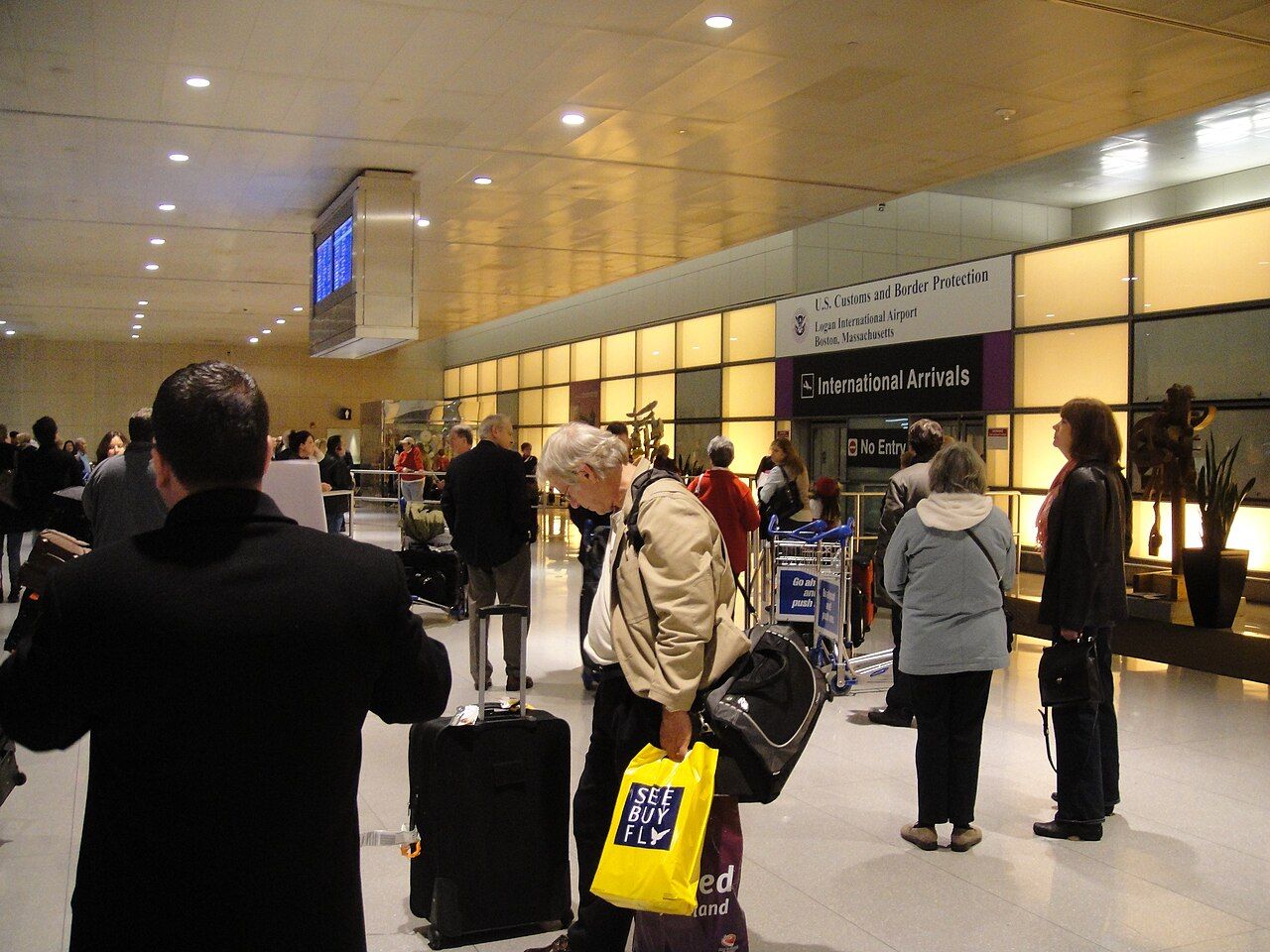 By hildgrim (cc-by-sa) original

A first-week order that works
- Day one: rest, buy a local SIM, find the government offices and bank branches near you.
- Day two: apply for your tax number and open a bank account. In Japan, register your address.
- Day three: rewrite your CV in the local style and print copies. Sign up for any certificate the work you want requires.
- Days four and five: hand out CVs, apply online, and start inspecting rooms in person.
- End of the week: check your health cover, update your address everywhere, and write down every reference number in one place.
Get the tax number moving first, keep your documents together, and check every rule on the official website.