
Australia · Melbourne
Melbourne: trams, share houses and hospitality work
A city of trams, laneways and a serious cafe trade, where most newcomers live in share houses in the inner suburbs and dress for four seasons in one day.
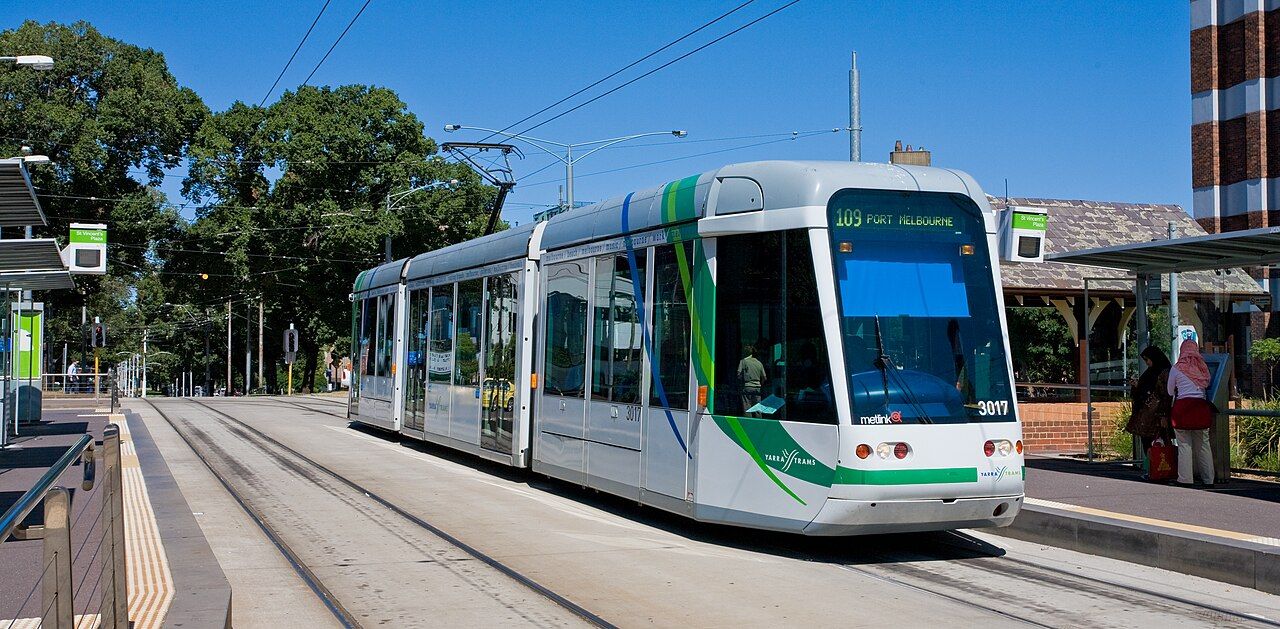 By Diliff (cc-by) original
Melbourne rewards people who stay a while. It is less dramatic than Sydney at first glance, with a flat grid of streets and no harbour to speak of, but it has a deep food and drink trade, a busy arts scene and a strong network of trams. Many working holiday makers who arrive meaning to stay a month end up staying most of the year.
The inner suburbs
Most newcomers live within a few kilometres of the city centre. The inner north, around Fitzroy, Collingwood, Brunswick and Northcote, is known for bars, live music, vintage shops and old terraced houses split into share rooms. The inner south and southeast, around St Kilda, Prahran, Windsor and Richmond, mixes beachside living with busy shopping streets. Footscray and the inner west tend to be cheaper and have a strong mix of food from many cultures.
Each area has its own pace. Walk the streets you are thinking about, both in the daytime and at night, and check how long the trip is to where you are likely to work. A cheap room that needs two trams and a train to reach the city centre may not be cheap once you count the time.
Your first nights are usually best spent in a hostel or a short let in the city centre or St Kilda. From there you can reach most of the inner suburbs by tram within half an hour, meet other newcomers, and take your time choosing a share house rather than signing up for the first room you see.
Getting around by tram
Melbourne has one of the largest tram networks in the world, and for most people it is the main way around. Trams run along the major roads out from the city centre, with trains and buses linking the outer suburbs. You pay with the state's reloadable transport card, tapping on as you board. The city centre has had a free tram zone for short trips, but check the current map and fare rules on the official transport website before relying on it.
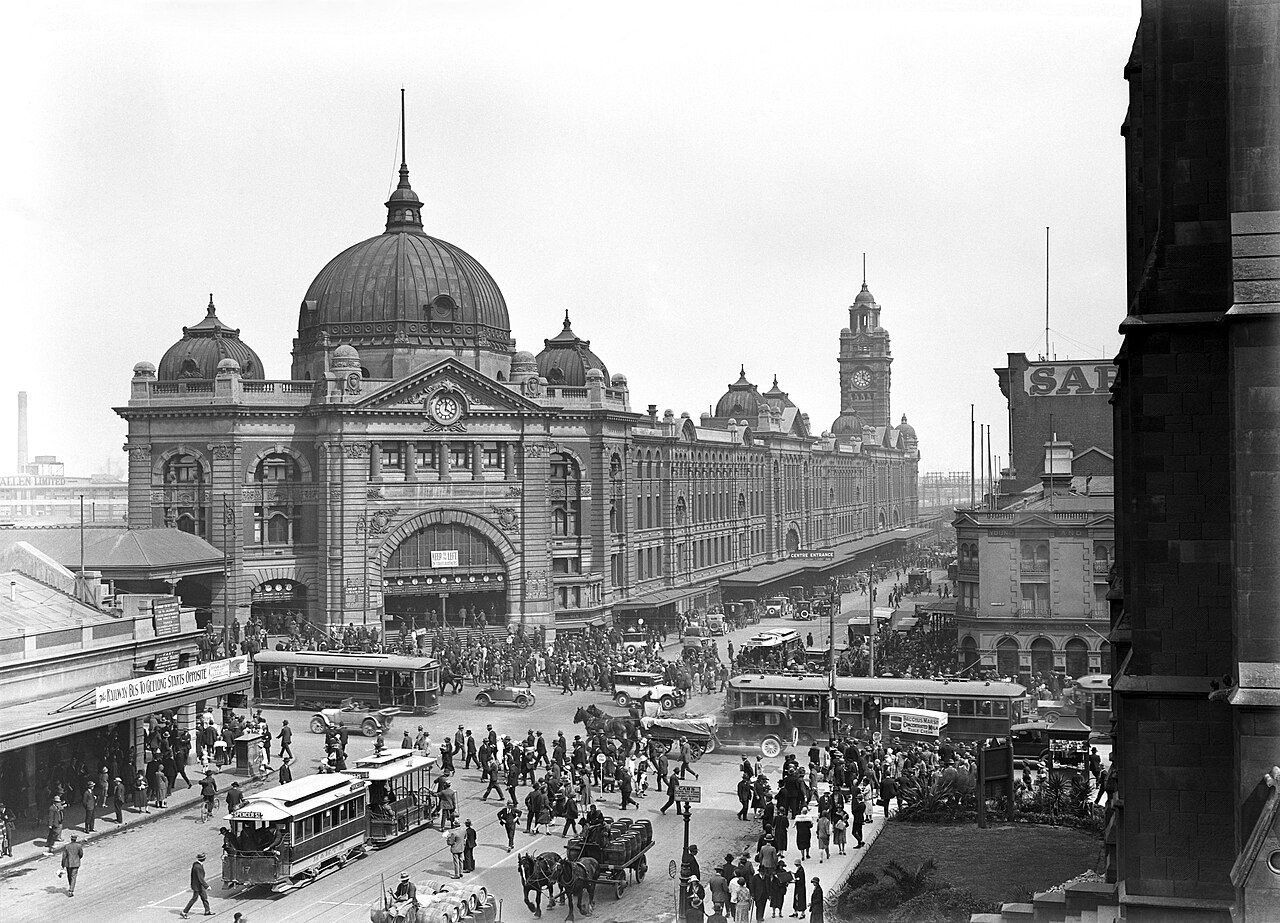 By Victoria State Transport Authority, restored by Adam Cuerden (public domain) original

Flinders Street Station, on the corner of Swanston Street, has been the meeting point of the city for more than a century. Under its row of clocks is still where many people arrange to meet.
If you drive in the city centre, learn the hook turn. At some intersections, drivers turning right wait in the left lane and turn when the lights change, so that trams can pass. Signs mark where it applies. Watch for cyclists, and remember that you drive on the left across Australia.
Share houses and rooms
Share houses are the standard way to live in Melbourne. A typical setup is four or five people in a terraced house or a flat, each with a bedroom and sharing a kitchen and bathroom. Rooms are advertised online and in local groups, and many are filled through a short meeting with the existing housemates, who want to know you will pay on time and get along with them.
Inspect every room in person before you pay anything. Fake listings with photos lifted from elsewhere are common, and the usual pattern is pressure to pay a deposit quickly to secure a room you have never seen. On a formal lease, Victoria has an official authority that holds rental bonds, so ask whether yours will be lodged there. The guide to finding a room without getting scammed covers the warning signs in detail.
Also on the boardThe first-week checklistRents in Melbourne are generally below Sydney's, but they still take a large share of a hospitality wage. Bills for gas, electricity and internet are often split between housemates.
Cafes, bars and hospitality work
Melbourne takes coffee seriously, and cafes are one of the biggest employers of newcomers. Experienced baristas are in demand, but many cafes expect real skill and will ask you to make coffee on a trial. If you are new to it, a short course before you arrive, or kitchen and floor work first, is a sensible way in.
Bars, restaurants and hotels hire all year, with peaks in spring and around big sporting and cultural events. Victoria requires bar staff to hold a responsible service of alcohol certificate. Office temping, retail and events work are the other common routes.
Pay and conditions are set by industry awards and the national minimum wage, and they change. Treat cash-in-hand offers with care. The Sydney guide has more on how recruitment works in the big cities.
Four seasons in a day, and winter
Melbourne's weather is famous for changing quickly. A hot morning can turn into a cold, wet, windy afternoon when a southerly change arrives. Locals dress in layers and carry a jacket, and you will soon do the same.
Summer, roughly December to February, brings warm days and occasional very hot spells. Autumn and spring are usually mild and the best time to arrive. Winter, roughly June to August, is grey, damp and cool rather than snowy, and many old houses are poorly insulated, so ask about heating when you inspect a room.
Winter is also when some travellers leave for the north. If the cold gets to you, a few months in Cairns and the tropics during the dry season is a common escape, and a good way to see a different side of the country.