
New Zealand · Queenstown
Queenstown: two seasons a year
A small lakeside town in New Zealand's Southern Alps that fills up twice a year: with skiers in winter and with hikers and adventure seekers in summer. Both seasons need staff.
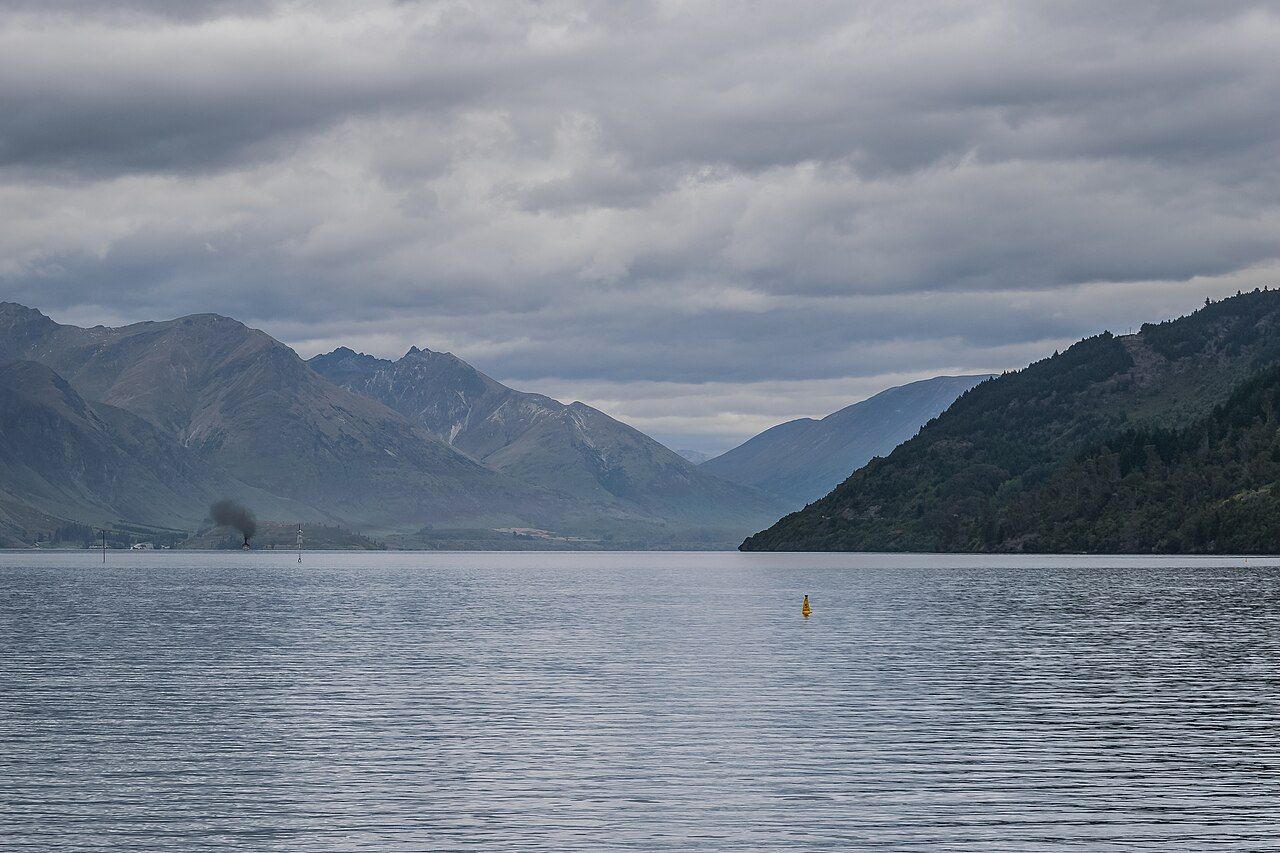 By Krzysztof Golik (cc-by-sa) original
Queenstown sits on the shore of Lake Wakatipu in the south of New Zealand's South Island, surrounded by mountains. It is a small town that runs on tourism, and it has two busy seasons a year: winter, when skiers and snowboarders arrive for the nearby ski fields, and summer, when the lake, the hills and the adventure trade take over. For working holiday makers, that means two chances to find seasonal work, and a constant hunt for somewhere to live.
The rules vary by passport, and some nationalities face caps or other limits. You will also need a tax number from the official tax authority before you start work.
Winter and the ski fields
The winter season usually runs from around June to late September or early October, depending on the snow. Coronet Peak and The Remarkables are the two ski fields closest to Queenstown, each reached by a mountain road from town. Cardrona and Treble Cone are over the hill near Wanaka.
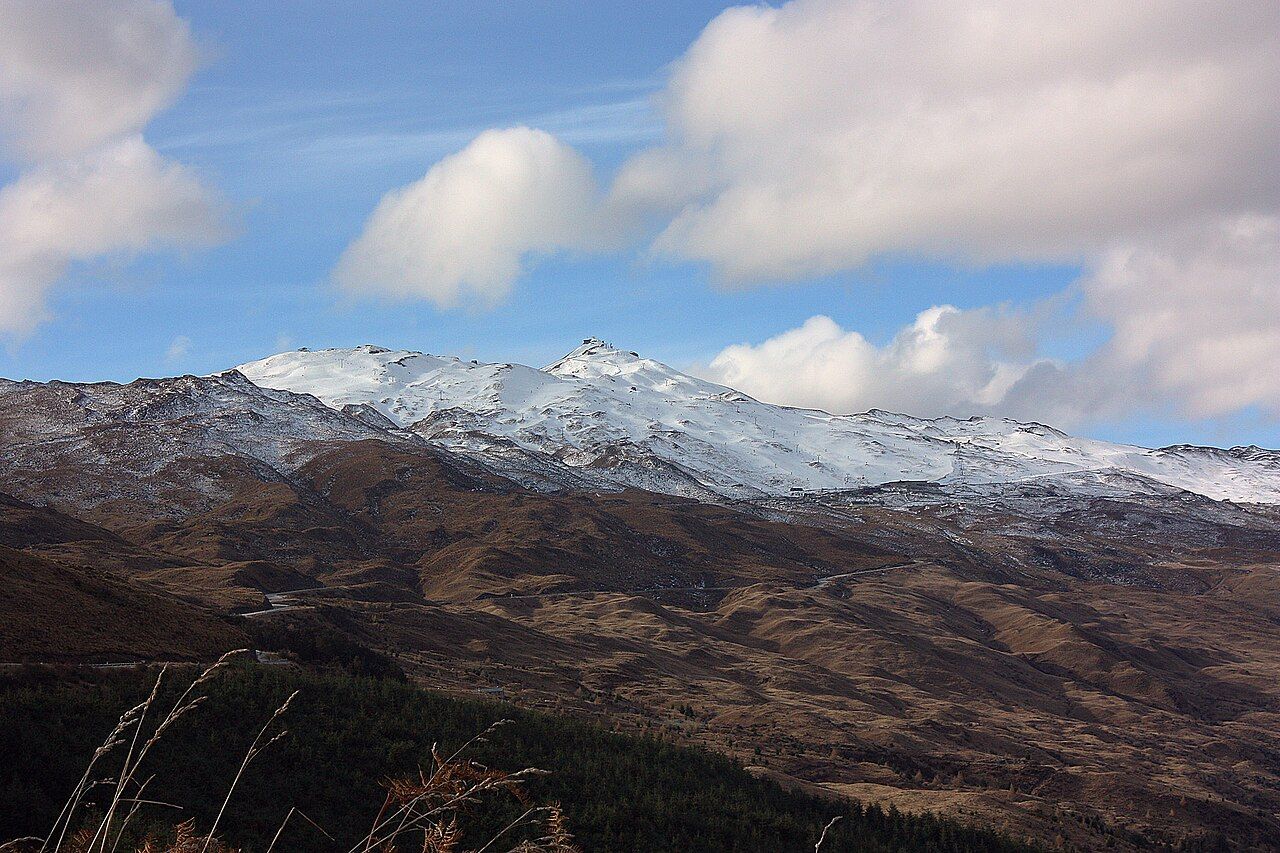 By André Richard Chalmers (cc-by-sa) original

Ski field jobs include lift operations, ticketing, rental fitting, cafeteria work, ski patrol and instructing. Instructors and patrollers need recognised qualifications. Hiring for the winter usually starts well before the season, with many roles filled in autumn, roughly March to May, so apply early. Town jobs in bars, restaurants, hotels and shops also pick up as the season starts.
A season pass is usually the main perk of ski field work, and for many people it is the whole point. Staff often work early shifts on the mountain and ski in the afternoons or on days off. Expect cold, physical work outdoors in all weather, with early starts on the shuttle up the mountain road. Good thermal layers, waterproof gloves and sunglasses or goggles make a long day on a lift station far easier. Injuries are common on the slopes.
Off-piste and backcountry areas carry avalanche risk. If you go beyond the marked trails, you need training, the right gear and a partner, and you should check the official avalanche advisory every day.
Driving to the ski fields in winter means steep, winding mountain roads. Carry snow chains and know how to fit them, because roads may require them on snowy days. Shuttle buses run from town for those without a car. In New Zealand, you drive on the left.
Summer and the adventure trade
Summer, roughly December to March, is just as busy. Queenstown is known for bungy jumping, jet boating, rafting, paragliding, mountain biking and skydiving, and those businesses need guides, drivers, photographers and sales staff. Hiking trails start on the edge of town and in the surrounding valleys, and the long evenings leave time for the lake after work.
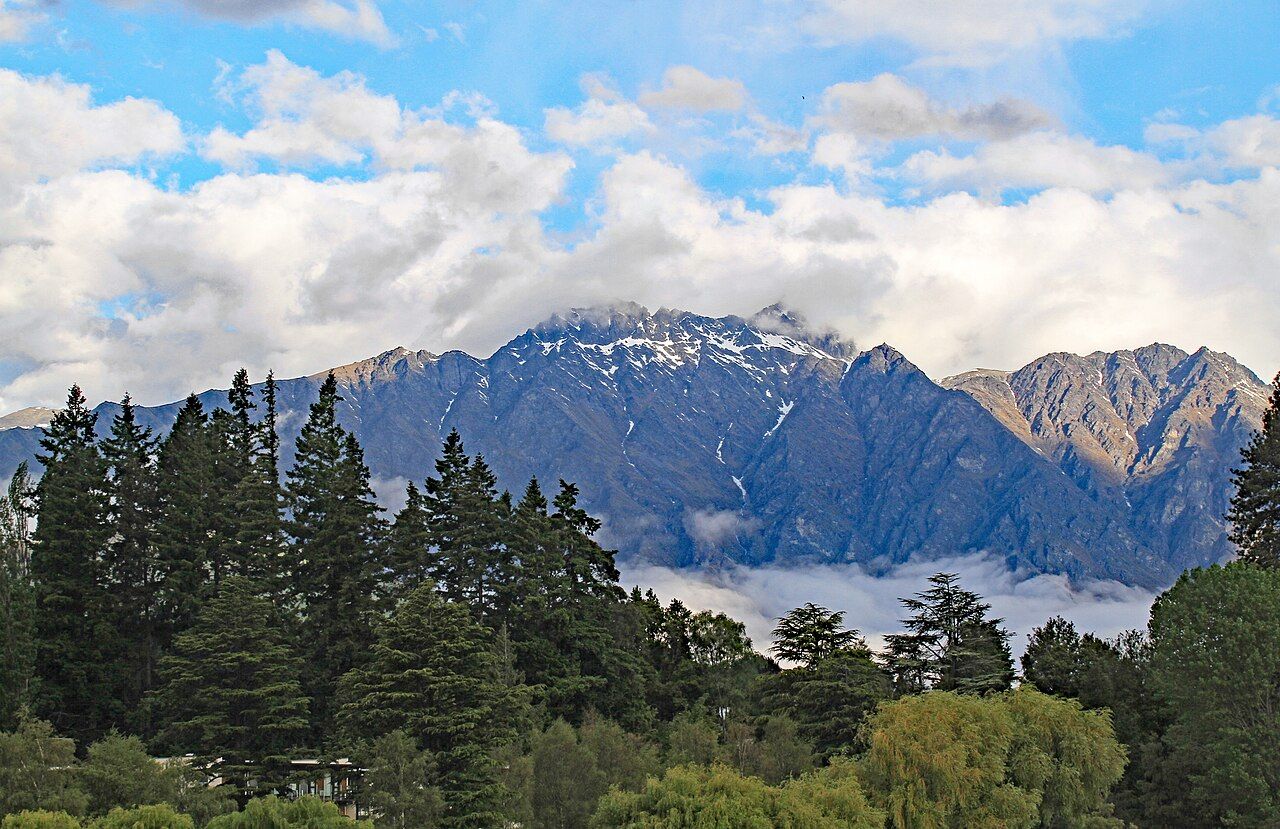 By Tony Hisgett from Birmingham, UK (cc-by) original

Hospitality employs the most people in both seasons. Restaurants, bars, cafes, hotels and holiday rentals need waiting staff, chefs, kitchen hands, baristas and housekeepers. The shoulder seasons, roughly April to May and October to November, are quieter, and some businesses cut hours. Many seasonal workers travel then, or head to the orchards. Our guide to orchards and vineyards in Central Otago covers fruit work in the summer.
Pay and conditions are set by New Zealand employment law, including a minimum wage that changes from time to time.
Most seasonal jobs in Queenstown are found by applying early online, through ski field recruitment pages and local job groups, or by walking in with a CV once you arrive. Employers often look for people who can commit to the whole season, so say clearly when you can start and when you plan to leave. Experience in hospitality or customer service helps, and a clean driving licence opens up roles as a shuttle or tour driver.
Also on the boardLiving out of a van in New ZealandThe housing squeeze
Housing is the hardest part of a season in Queenstown. The town is small, demand is high and many houses are let to visitors, so rooms for workers are scarce and expensive. It is common to share a room, and in the busiest times some people end up in crowded houses or in vans while they look.
Do not arrive at the start of the season without somewhere to stay or the savings to wait. Do not arrive at the start of the season without somewhere to stay or the savings to wait. Look before you arrive, ask every employer whether they offer staff accommodation, and check towns around Queenstown such as Frankton, Arthurs Point and Arrowtown. Never pay a deposit for a room you have not seen. Our guide to finding a room without getting scammed explains the usual tricks.
Living costs, including food and transport, are higher than in most New Zealand towns. Plan your budget with that in mind.
Lake Wakatipu and the town
Lake Wakatipu is long, deep and cold. It winds through the mountains in a narrow shape, with Queenstown on its northern shore. A vintage steamer still crosses the lake, and the waterfront is where the town gathers in the evenings.
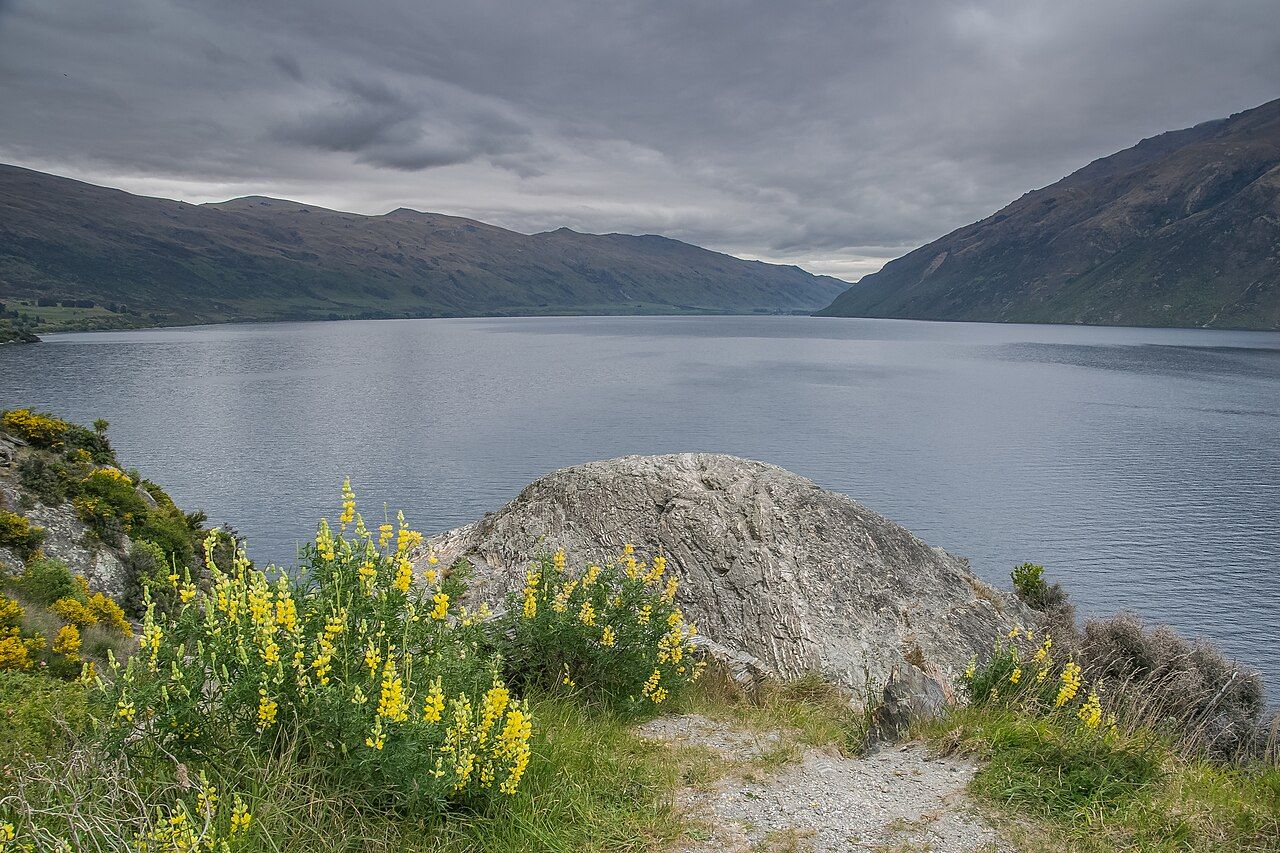 By Krzysztof Golik (cc-by-sa) original

The lake water stays cold even in summer, so take care swimming, and do not swim alone. Weather can change quickly in the mountains in any season. Carry warm layers and a waterproof jacket on any walk, tell someone your plans.
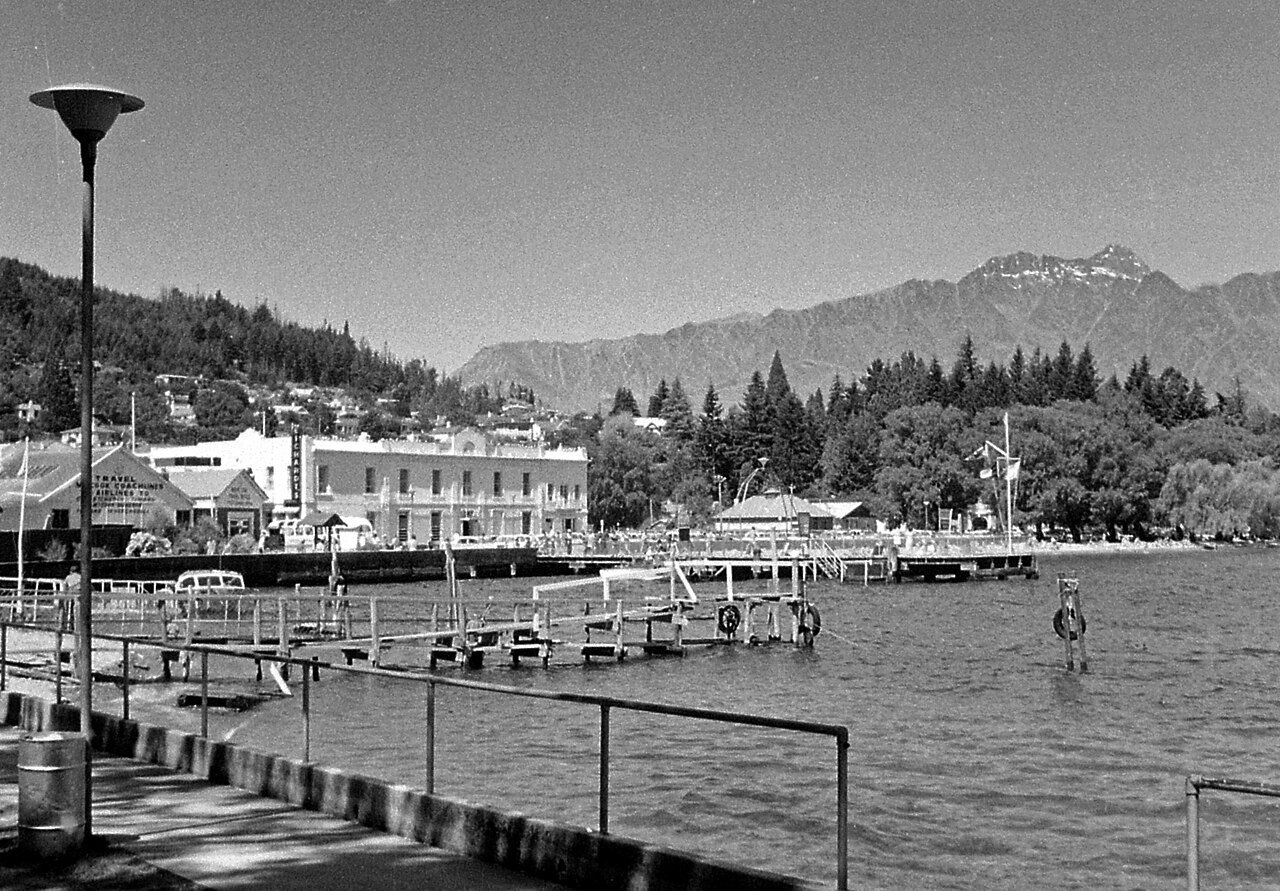 By wilford peloquin (cc-by) original

Queenstown has grown a great deal over the decades, but the setting has barely changed. The Remarkables still rise behind the town, and the lake still fills the view.
Getting there from Auckland or Christchurch
Most people arrive by plane. Queenstown Airport, in Frankton, has domestic flights from Auckland, Wellington and Christchurch, and some flights from Australia. Book ahead in peak season.
From Christchurch, the drive takes most of a day, through the Canterbury Plains and the high country of the Mackenzie Basin, past lakes and over mountain passes. Coaches also make the journey. The roads are good but narrow in places, with one-lane bridges and sharp bends, so take your time and pull over to let faster traffic pass. In winter. If you are starting in Auckland, consider spending your first days there to get set up before you head south. Our guide to landing in Auckland covers the first steps.
Whichever way you come, plan your arrival around the season: early enough to find work and a room, but not so early that your savings run out before the lifts open.