
Setting up · Anywhere
Finding a room without getting scammed
Short stays first, then a proper look in person. How rooms and flatshares work for working holiday makers, what deposits protect you, and the scams that target new arrivals.
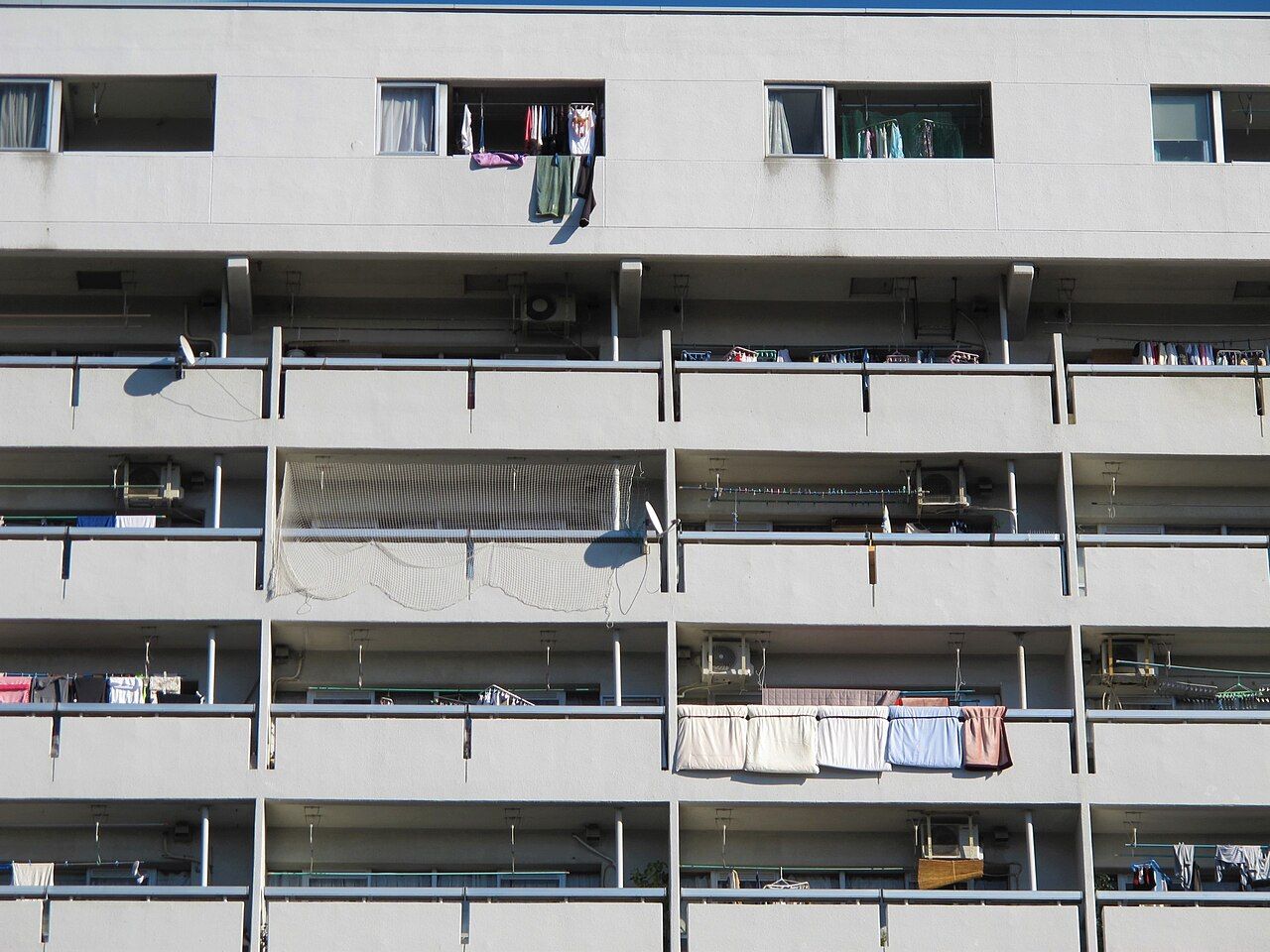 By Sgroey (cc-by-sa) original
Finding somewhere to live is the most stressful part of most working holidays. Cities like London, Dublin, Sydney and Vancouver have tight rental markets, and ski towns and seasonal resorts can run out of beds entirely before the season starts. That pressure is exactly what scammers rely on. The way through is to slow down, see every room before you pay, and know in general terms how deposits are meant to work where you are.
Start with a short stay
Do not try to sign up for a long-term room from home. Book a hostel bed or a short let for your first one or two weeks instead. It costs more per night, but it gives you time to learn the city, find out which areas suit your work, and look at rooms in person.
Use those weeks to work out your commute. A room that looks cheap can cost you an hour each way and a large share of your wages in fares. The city guides go into the detail, from Melbourne's share houses to housing pressure in Dublin, but the principle is the same everywhere: live near the work you are likely to get, or near a fast train line.
In seasonal towns, the rules are different. Ski resorts and summer towns often have very little private rental stock, and some employers offer staff housing as part of the job. If you are heading somewhere like Queenstown or Whistler, arrive early, ask about staff housing at interview, and expect to share a room.
What kinds of rooms are out there
Most working holiday makers end up in one of a few setups.
- A room in a share house or flatshare. You rent one bedroom and share the kitchen, bathroom and living space with other tenants. This is the usual option in Australia, New Zealand, the UK and Ireland.
- A shared room. Two or more people in one bedroom. Cheaper, common in expensive city centres and resort towns, and fine for a short period.
- A share house run by a company. Common in Japan, where renting a flat on your own as a newcomer can be difficult because of guarantor and paperwork requirements. Rooms are furnished and contracts are often shorter.
- A sublet or a room in a family home. Sometimes simpler, sometimes less secure. Ask clearly whether the person renting it to you has the right to do so.
 By Mtaylor848 (cc-by-sa) original

Inspecting a room properly
Always see the room in person, or at least on a live video call with someone who is standing in it, before you pay anything. Go in daylight if you can. Look for damp and mould in the corners and around windows, check the hot water, try the heating if it is cold out, and test the phone signal. Ask who else lives there, how bills are split, and how long the current tenants have stayed. A house where people stay for months is usually a better sign than one with constant turnover.
Questions worth asking before you agree:
- Is there a written agreement, and can you read it before you pay?
- How much is the deposit, and where will it be held?
- Are bills included, and if not, how are they split?
- How much notice do you need to give when you leave?
- Can you register your address here for official purposes?
The last question matters more than it sounds. You may need a proper address for a tax number, a bank account or, in Japan, the municipal registration that much else depends on. The Also on the boardThe first-week checklist covers that order of things.
Deposits and bond schemes
Almost every rental asks for a deposit, sometimes called a bond, plus rent in advance. In several working holiday countries, deposits for many kinds of tenancy must be lodged with an official scheme or government body rather than kept by the landlord, and you should receive confirmation that this has happened. The rules depend on the country, the state or province, and the type of agreement. A room in a house where the owner also lives is sometimes treated differently from a formal tenancy.
Because of this, check the official tenancy or housing authority website for the place you are living in. It explains what a landlord may charge, how deposits are protected, how much notice each side has to give, and how to dispute a deduction when you move out. Get a receipt for every payment, pay by bank transfer rather than cash where you can, and take dated photos of the room on the day you move in.
Scams that target new arrivals
Rental scams follow a few familiar patterns. Knowing them is most of the protection.
- The overseas landlord. The owner is abroad and cannot show you the room, but will post the keys once you pay a deposit. There are no keys.
- The too-good listing. A large, well-located room at a price far below everything else nearby, with photos that look like a hotel or a show home.
- The pressure sale. Several other people are interested, so you need to pay a holding deposit today, before viewing.
- The copied ad. Real photos taken from a genuine listing, reposted with a different contact. A reverse image search can catch these.
- Payment by unusual means. Requests for money transfer services, gift cards or cryptocurrency. Legitimate landlords rarely ask for any of these.
The single rule that stops nearly all of them: never pay anything for a room you have not seen, and never pay someone you have not met or verified. If you are pushed to hurry, walk away. Another room will come up.
House rules and living with strangers
Share houses work when everyone knows the rules. Ask about them before you move in: cleaning rotas, guests staying over, noise late at night, shared food, and how bills are split. In Japan, rubbish sorting is taken seriously and collection days vary by area; your housemates or the ward office can explain the local system.
Shift workers in hospitality and resort jobs keep odd hours, so be considerate about noise and the bathroom in the early morning. Keep your passport and valuables locked away or with you, and do not lend money to housemates you have just met.
When you leave, give the notice your agreement asks for, clean the room properly, take photos again, and ask how and when your deposit will be returned. If there is a dispute, the official scheme or tenancy authority is where to take it.