
Australia · Regional Australia
Regional work and the harvest seasons
Farm and harvest work takes thousands of travellers into the Australian countryside each year. Here is how the seasons roughly run, what the work is like, and how to stay safe and paid fairly.
 By Nathan Jones (cc-by) original
Sooner or later, most working holiday makers in Australia think about going regional. Some want to save money away from city rents. Some want to see the country beyond the coast. Many go because regional work can count towards extending their visa. Whatever the reason, it is worth knowing what you are getting into, because farm work is hard, the places are remote, and the industry has its share of bad operators alongside the good ones.
Why people head to the country
For some passports, a period of specified work in regional Australia can make you eligible to apply for a further year on a working holiday visa. The types of work that qualify, the areas that count and the time required are set by the government and have changed several times. Some nationalities have different rules again. Do not rely on what a farm, a hostel or another traveller tells you: read the current rules on the official immigration website before you choose a job, and keep payslips and records of every day you work.
Beyond the visa, regional work has real rewards. Living costs in small towns are usually lower than in the cities, and some farms offer housing. You see country towns, river systems and wide open skies that most visitors never reach. And you often end up working alongside people from all over the world.
 By Mark Smith (cc-by) original

Harvest seasons, roughly
Australia is big enough that something is being picked somewhere in almost every month.
Grapes
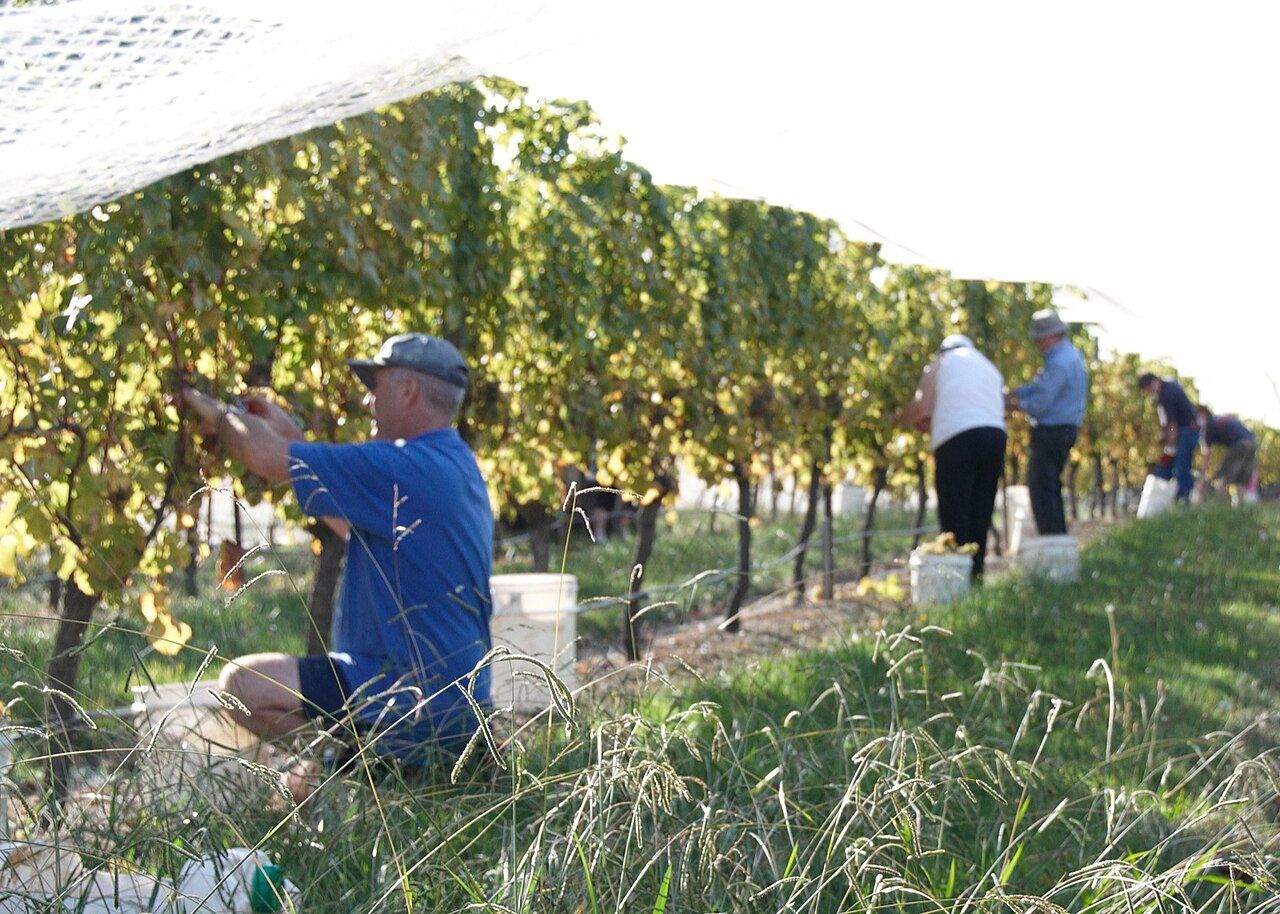
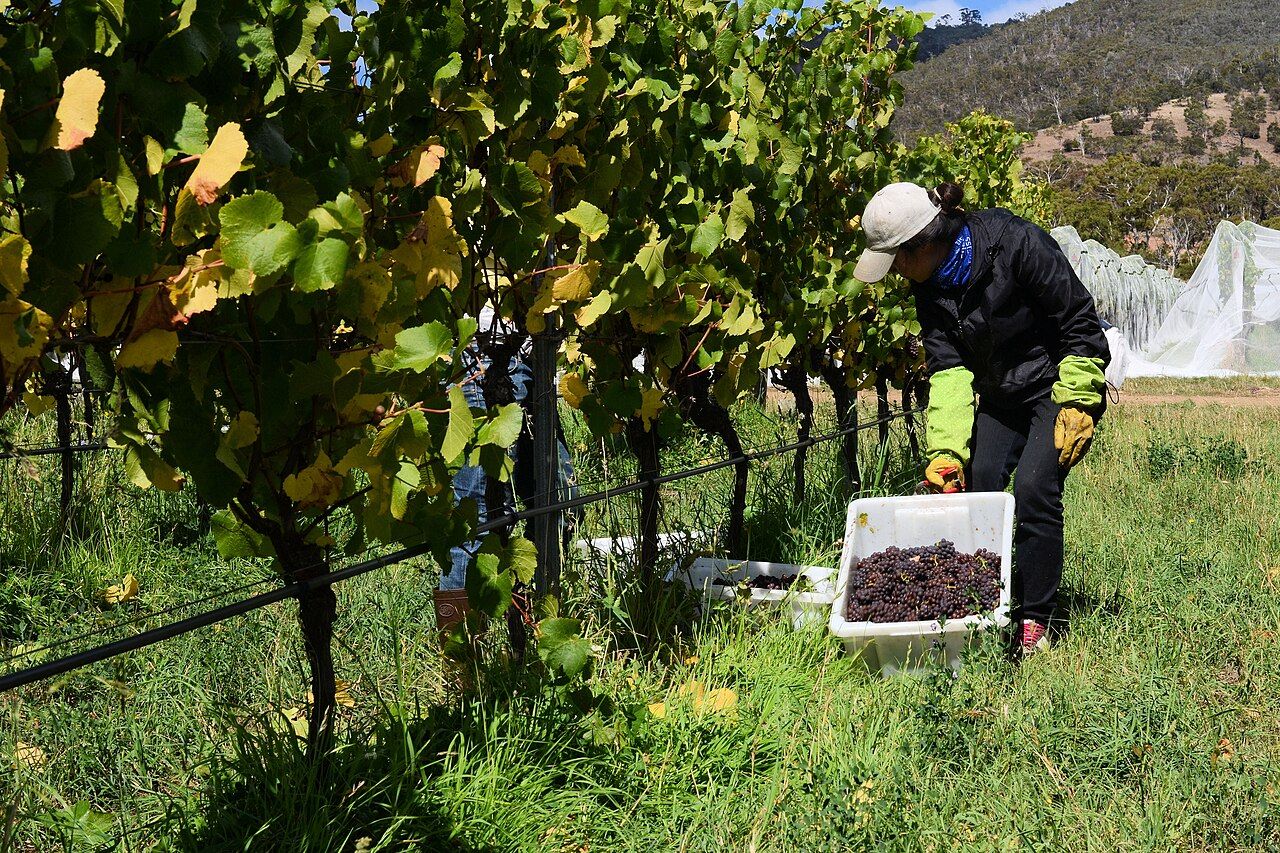
The grape harvest, or vintage, usually runs from late summer into autumn, roughly February to April, starting earlier in hot inland areas and later in cooler regions such as Tasmania. Picking is done by hand and by machine. Before and after vintage there is pruning and vineyard work through the cooler months, which some travellers prefer to the rush of harvest.
Citrus
Oranges, mandarins and lemons are mostly picked through the cooler months, roughly autumn through to spring. The Murray River country, including Sunraysia around Mildura and the Riverland in South Australia, and the Riverina around Griffith are the main citrus areas, along with parts of Queensland and Western Australia.
Bananas
Bananas grow year round in tropical north Queensland, around Tully and Innisfail south of Cairns, and in parts of northern New South Wales and Western Australia. The work is steady rather than seasonal, but it is heavy, humid and often wet. Our guide to Cairns and the tropical north covers what to expect from the climate there.
Stone fruit and others
Peaches, nectarines, plums, apricots and cherries are mostly picked in summer, roughly November to February, in areas such as the Goulburn Valley in Victoria, the Adelaide Hills and parts of New South Wales. Apples and pears follow in late summer and autumn. Packing sheds hire alongside picking crews and suit people who prefer indoor shift work.
Also on the boardOrchards and vineyards of Central OtagoHeat, isolation and staying safe
Heat is the biggest danger on Australian farms. Summer days inland can be extremely hot, and working in full sun saps you faster than you expect. Start early, drink water constantly, cover up with a wide hat and long sleeves, and take breaks in the shade. Dizziness, headache, nausea and confusion are warning signs of heat illness, so stop work and tell someone. A good employer will understand.
Snakes, spiders and insects are part of farm life. Wear boots and gloves, look before you reach into foliage, and learn basic first aid for bites.
 By Buddy Patrick (cc-by-sa) original

Many farms are a long way from town, and some have no phone reception. Distances between towns are long, and fatigue causes many crashes on country roads. Avoid driving at dawn and dusk, when kangaroos are most active.
Isolation affects people differently. Weeks of early starts, repetitive work and small-town nights can wear you down. Keep in touch with friends, and if a place feels wrong, leave.
Pay, piece rates and scams
Farm work is covered by an industry award. You may be paid by the hour or by piece rate, meaning per bin or per bucket picked. Piece rates must still meet minimum standards, but how much you earn depends on your speed, the crop and the conditions. You need a tax file number from the official tax authority, and super should be paid into a fund in your name.
The common scams and bad practices are well known. Someone asks you to pay for a job or a place on a list. Housing tied to the job costs far more than it should and is deducted from your pay. Wages are paid late, or in cash with no record. Promised work never starts, and you are stuck paying rent while you wait. Be suspicious of any offer that asks for money up front, and of any arrangement you cannot get in writing.
Talk to other workers before you commit. If an employer has a poor reputation, you will usually hear about it quickly.
If something goes wrong, such as unpaid wages, unsafe conditions or pressure to work without a break in the heat, the official workplace regulator takes complaints, including from visa holders. Keep copies of messages, rosters and payslips, because records make any claim much easier. Visa holders have the same workplace rights as other workers, and you do not have to stay with an employer who treats you badly.
Finding work and getting there
Government job services list harvest work, and many growers advertise directly or rely on word of mouth in regional towns. Country towns often have a notice board or a local group where work is posted. Some travellers simply arrive in a harvest area at the start of the season and ask around, but go with enough savings to cover several weeks without work.
 By Longhair (cc-by) original

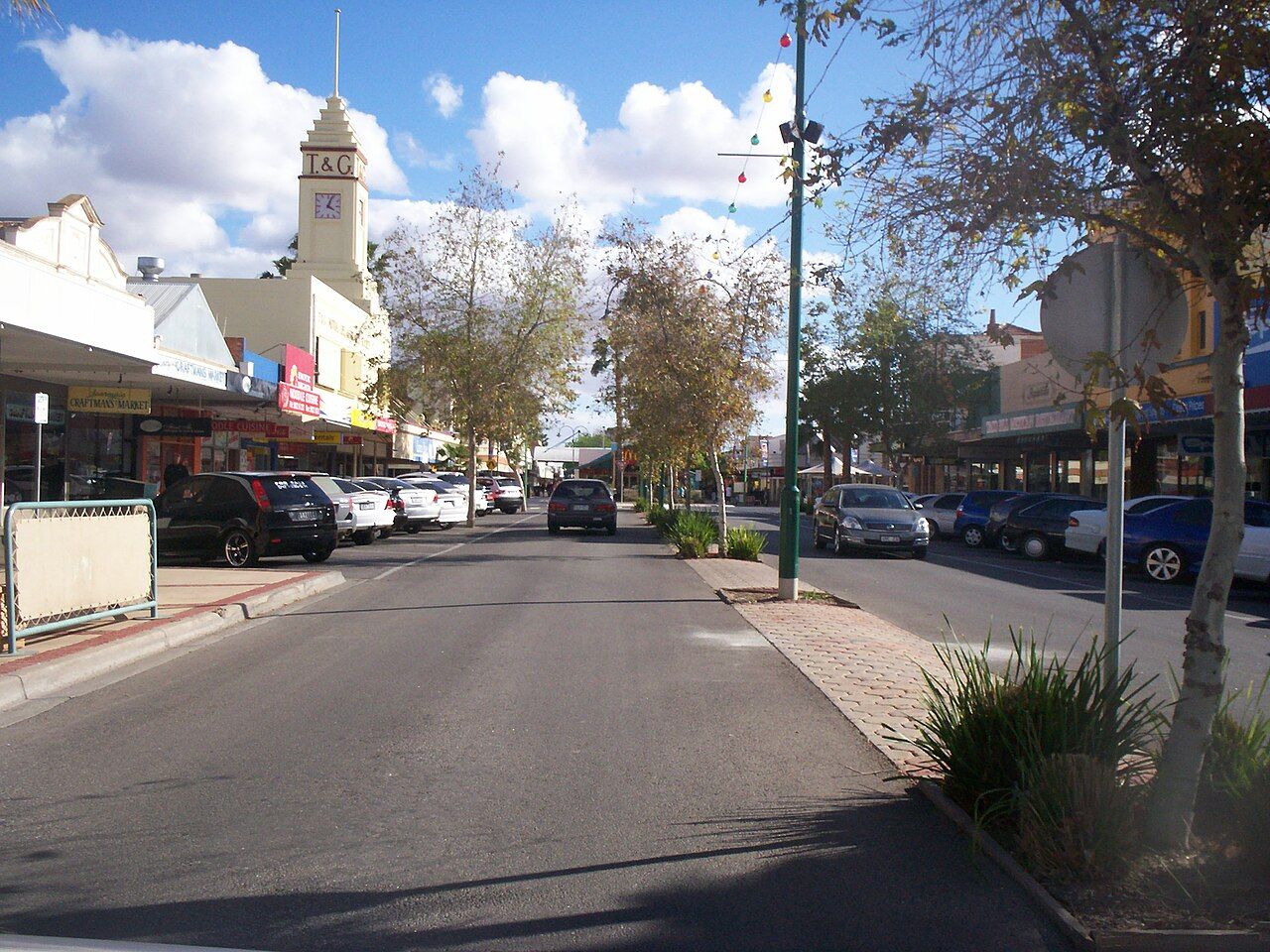
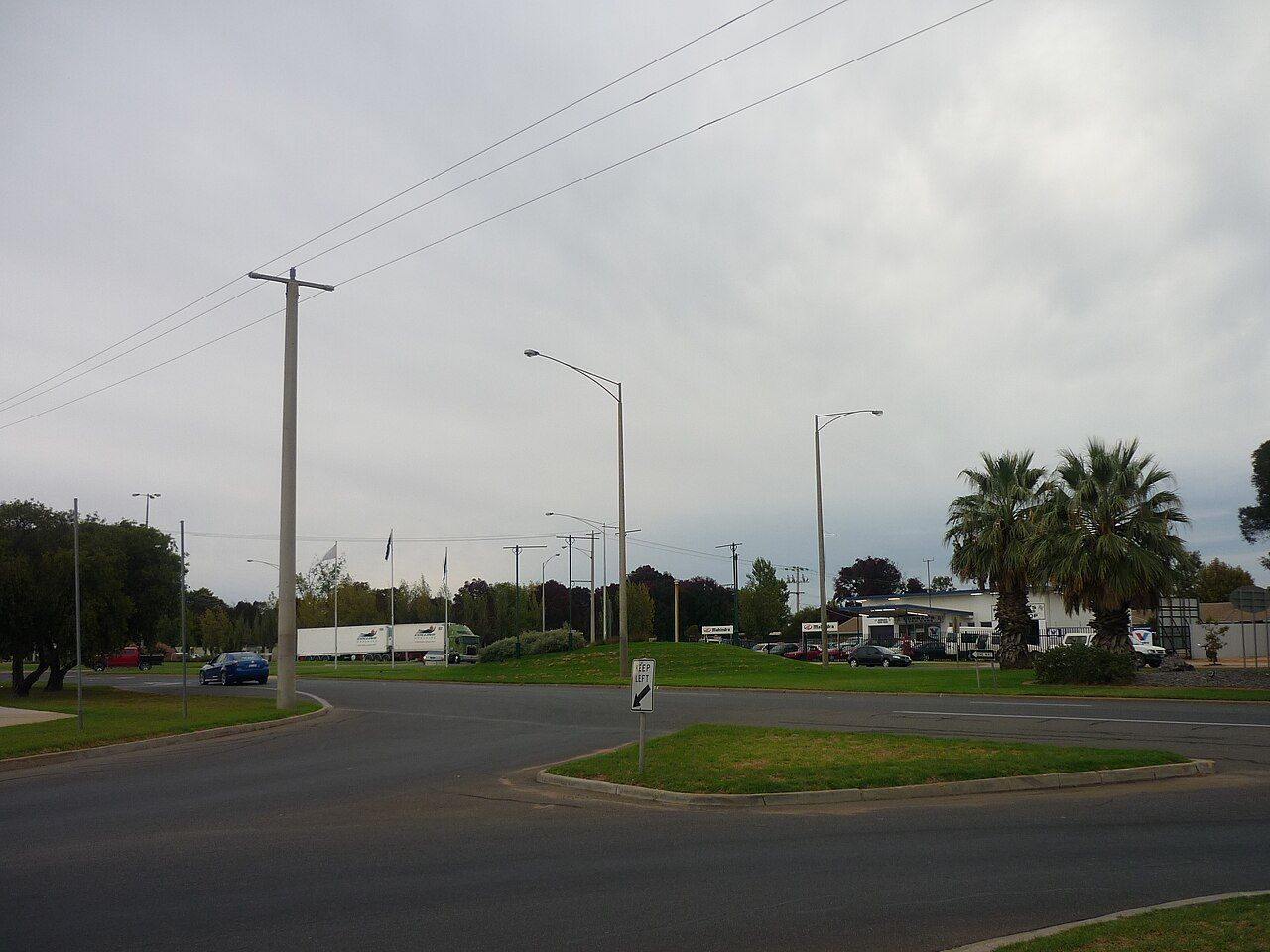
Mildura is a typical base: a regional city on the Murray with a mall, supermarkets, a hospital and transport links, surrounded by vineyards, citrus groves and almond orchards. Towns like this give you a place to stay between jobs and a way back to the city.
 By 28NitroAdeDriftinCar (cc-by-sa) original

Harvest work is hard, but it is honest work that pays if you choose the employer carefully. Harvest work is hard, but it is honest work that pays if you choose the employer carefully. Many people come back from a season fitter, with savings and stories, and ready for city life again in Perth or Melbourne.