
New Zealand · Central Otago
Orchards and vineyards of Central Otago
Cherries, apricots and grapes grow in the dry valleys of New Zealand's south. What harvest work in Central Otago involves, when it usually happens, and how to look after yourself in the heat.
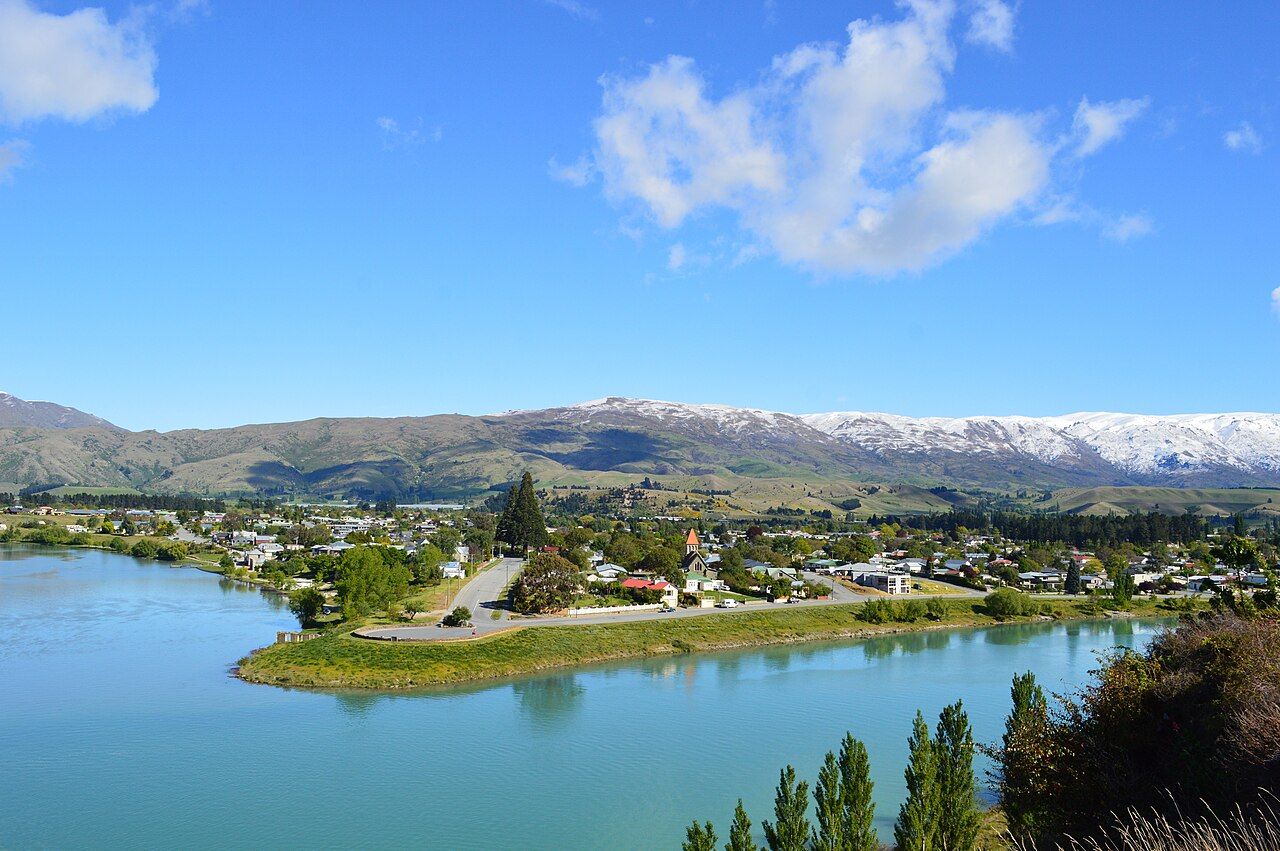 By Mattinbgn ( · ) (cc-by) original
Central Otago is a region of dry valleys, bare brown hills and long, clear summers in the south of New Zealand's South Island. It is one of the country's main areas for stone fruit and one of its best-known wine regions, and every summer the orchards and vineyards need far more hands than the local towns can supply. For working holiday makers, that makes it one of the most reliable places in New Zealand to find seasonal work.
Working holiday schemes differ by passport, and some allow an extension for people who have done seasonal horticulture or viticulture work. The rules change, so read the current version rather than relying on what other travellers say.
Cromwell, Alexandra and the valleys
Cromwell sits where the Kawarau and Clutha rivers meet, on the shore of Lake Dunstan. Orchards and vineyards spread out around it, and in summer the town fills with seasonal workers. Alexandra lies a little further down the Clutha, and Roxburgh, beyond it, has a long history of fruit growing. Clyde, between Cromwell and Alexandra, is a small old gold-mining town.
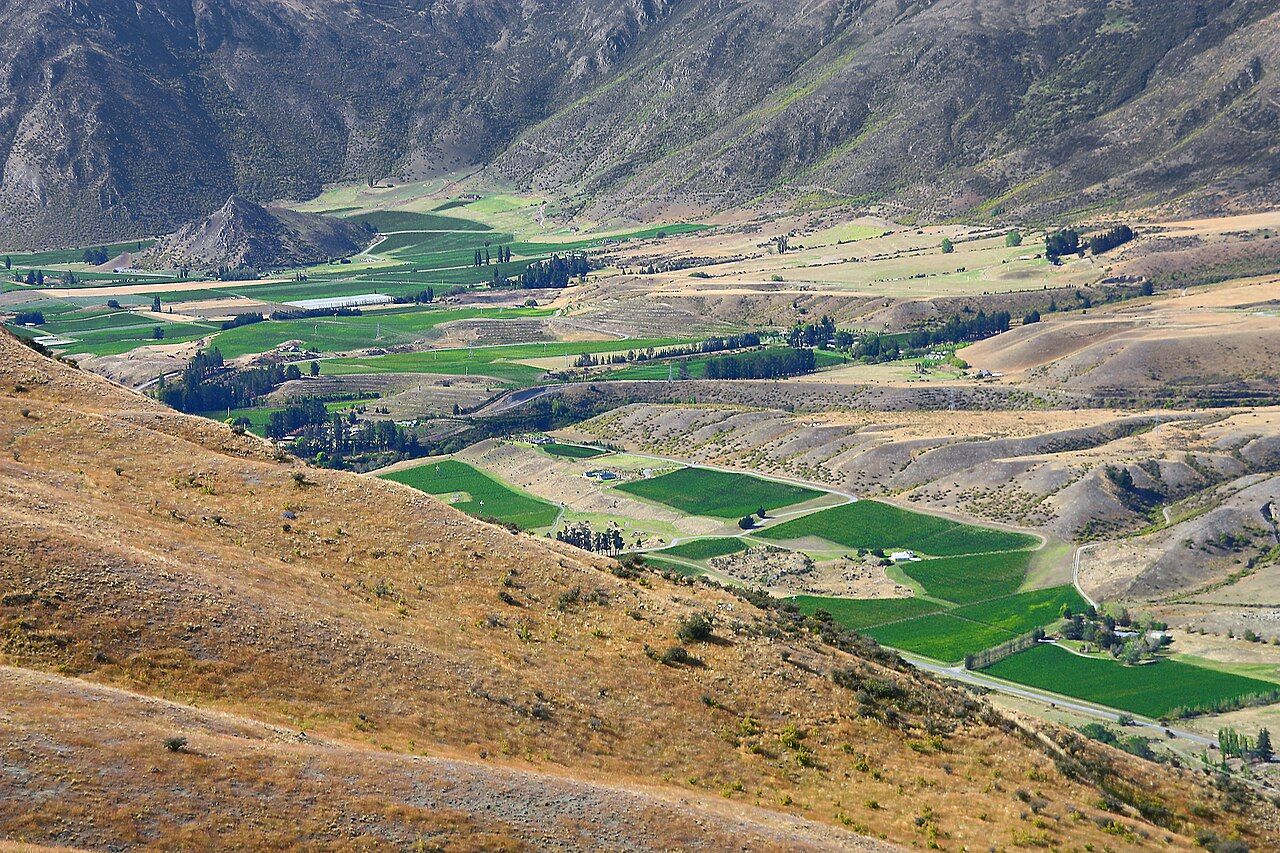 By Marek Ślusarczyk ( Tupungato ) (cc-by) original

Between the towns are smaller settlements, farm roads and empty high country. Many orchards are well outside town, so a car makes life easier. Some employers run transport, and some have accommodation on site.
The seasons in general
The fruit year follows the weather, so every date here is approximate. Thinning, when growers remove some of the young fruit so the rest grows larger, usually happens in spring, roughly October to November. Cherry picking usually starts in December and runs into January, with the busiest weeks around Christmas and New Year. Apricots usually follow in January and February, with peaches, nectarines and plums around the same time. Apples and pears come later, roughly from February into April.
Grapes are harvested in autumn, usually from around March into April or early May. Vintage work includes picking by hand, working on the sorting line and cleaning in the winery. In winter, roughly June to August, there is pruning in both orchards and vineyards. It is cold, quiet work, and fewer jobs are on offer.
A late frost or a hailstorm can shorten a season or wipe out a crop. Growers usually post their expected start dates, but they move, so stay in touch with employers in the weeks before and have some savings in case the start is delayed.
Also on the boardRegional work and the harvest seasonsWhat harvest work is like
Picking is physical. You spend the day on a ladder or bending along rows, carrying a bucket or bag that gets heavier as it fills. Cherries are delicate and need to be picked with the stem on, so speed comes with practice. Shifts often start early, around dawn, to get the fruit in before the heat, and when the fruit is ready, work can run seven days a week.
Pay in orchards is either by the hour or by the amount you pick, known as piece rates. Under New Zealand employment law, piece-rate workers must still earn at least the minimum wage for the hours they work. You also need a tax number from the official tax authority.
Packhouse work suits people who prefer shade to ladders. You sort, grade and pack fruit indoors, usually standing for long shifts, sometimes into the evening. It is repetitive, but the hours are often steady. Vineyard work through the summer includes leaf plucking, netting the vines against birds and general maintenance.
Be careful with job offers that ask for money up front, and with anyone promising accommodation that you have to pay for before you see it. A legitimate grower pays you; you do not pay them for the chance to work.
Heat, sun and dry air
Central Otago has the most continental climate in New Zealand. Summers are hot and dry, and some days are much hotter than people expect from the country's reputation. The sun is fierce, and New Zealand's UV levels are high even when the air feels cool.
Harvest work in Australia carries the same warnings, and they apply here too. Drink water before you feel thirsty and keep drinking through the day. Wear a wide-brimmed hat, long sleeves and sunscreen, and reapply it. Learn the signs of heat exhaustion, such as headache, dizziness, nausea and cramps, and stop, find shade and tell someone if you feel them. Ladder work and heat together are risky, so take breaks.
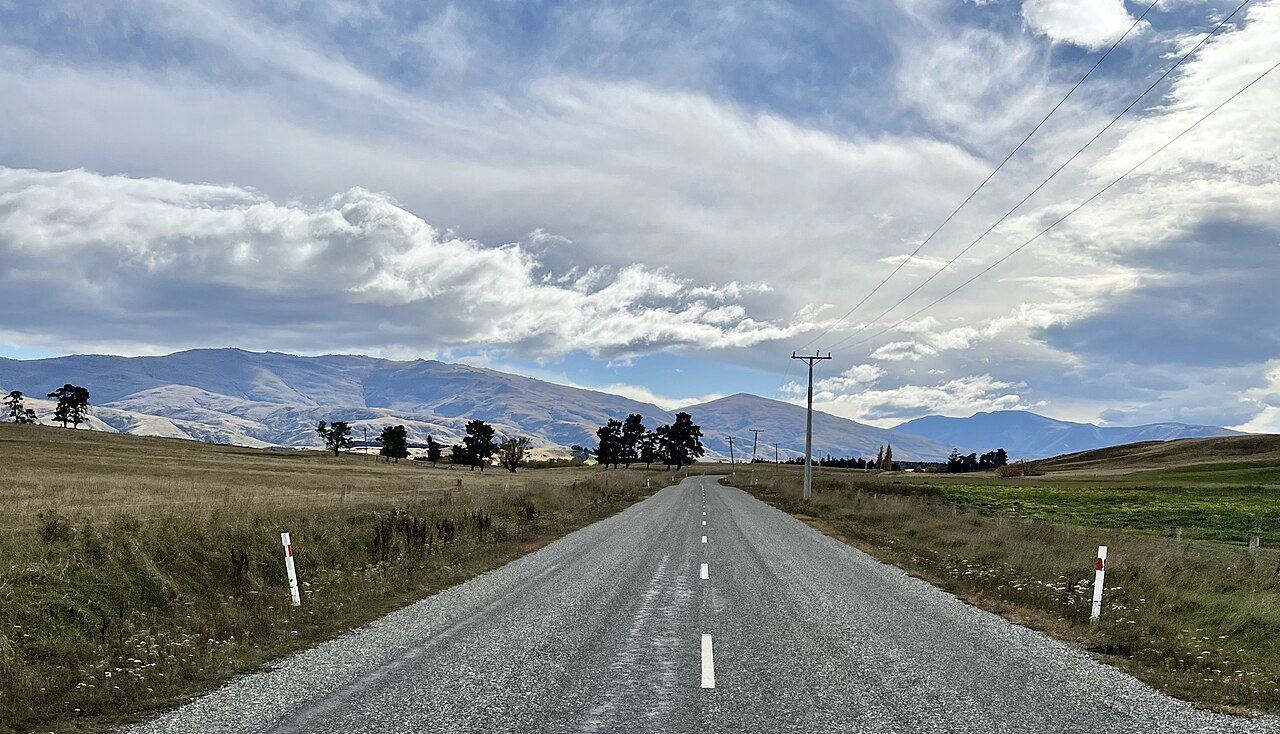 By AnnWoolliams (cc-by-sa) original

Nights can be cool even in summer, and the change between day and night is large. Bring warm layers for early starts and evenings, especially if you are camping.
Where to stay and what to do on days off
Accommodation is the main headache. Cromwell and Alexandra are small, and rooms fill up quickly at harvest time. Some workers stay in on-site accommodation, some share houses in town, and many sleep in vans or tents at campsites. If you plan to live in a vehicle, read our guide to living out of a van in New Zealand, because freedom camping is restricted in many places and local rules are enforced.
On days off, the Otago Central Rail Trail, a former railway turned into a cycling and walking path, passes through the region and is easy to join for an afternoon. The lakes around Cromwell are good for a swim on a hot evening, though the water stays cold. Queenstown is under an hour's drive, and many people combine a summer of fruit with a winter on the ski fields. Our guide to Queenstown and its two seasons covers that half of the year.
By the end of the season, most pickers are fitter, browner and more tired than when they started. Plan for a few days' rest before you move on, and leave the region with your final pay and your payslips in hand.