
Canada · Whistler
A winter in Whistler
Whistler draws seasonal workers from around the world each winter. What to expect from the jobs, the village, the drive up from Vancouver, and the hardest part of the season: finding somewhere to live.
 By Ruth Hartnup from Vancouver, Canada (cc-by) original
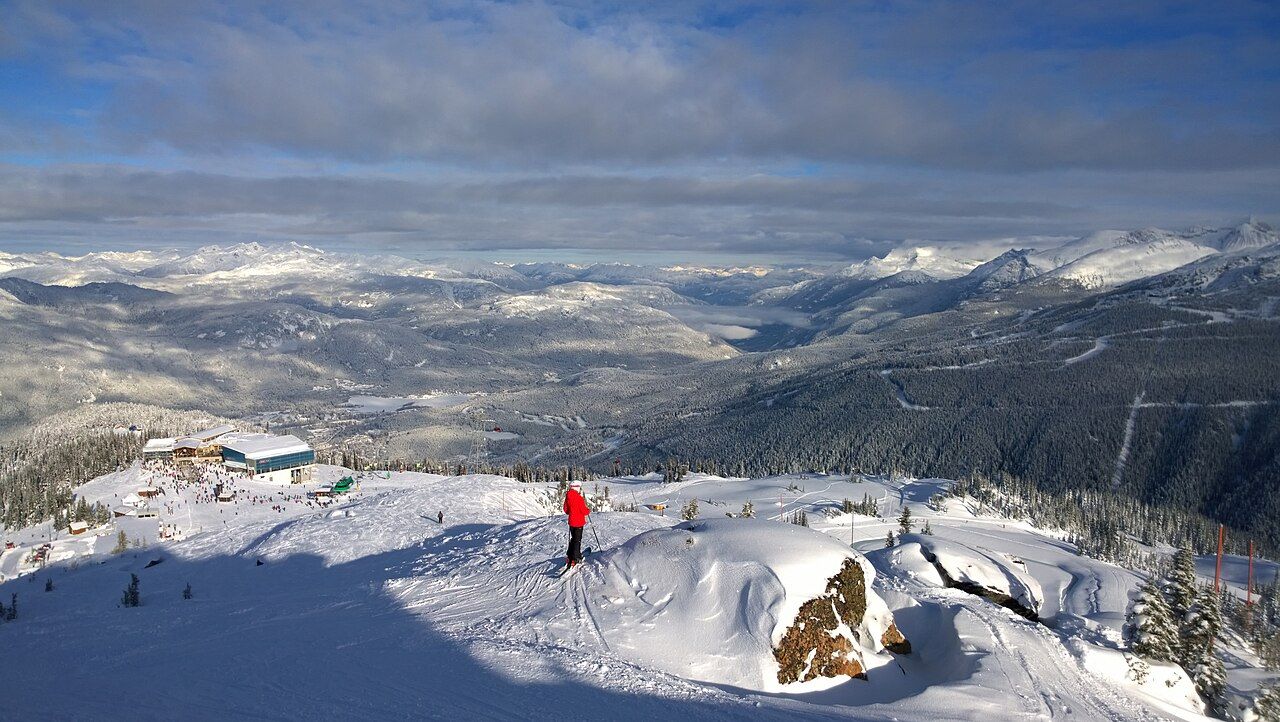
Whistler is a mountain resort town in the Coast Mountains of British Columbia, about two hours north of Vancouver. In winter it is one of the largest ski areas in North America, with two mountains, Whistler and Blackcomb, linked by lifts and run as one resort. Thousands of seasonal workers arrive each autumn, many of them on working holidays, to run the lifts, teach on the slopes, pour drinks and clean rooms. The jobs are there. The rooms are the problem.
Before you plan, read the rules for Canada's working holiday scheme on the official immigration website. Eligibility, length of stay and the number of places differ by passport, and some nationalities enter a pool from which invitations are drawn. The rules change, so read the current version.
The season and the lifts
The winter season usually opens in late November and runs to around April, depending on snow. Hiring for the big employers usually starts in late summer and early autumn, with job fairs and online applications, and many roles are filled before the snow falls. Arriving in October gives you time to sort paperwork and look for housing before the lifts open.
 By Ruth Hartnup from Vancouver, Canada (cc-by) original

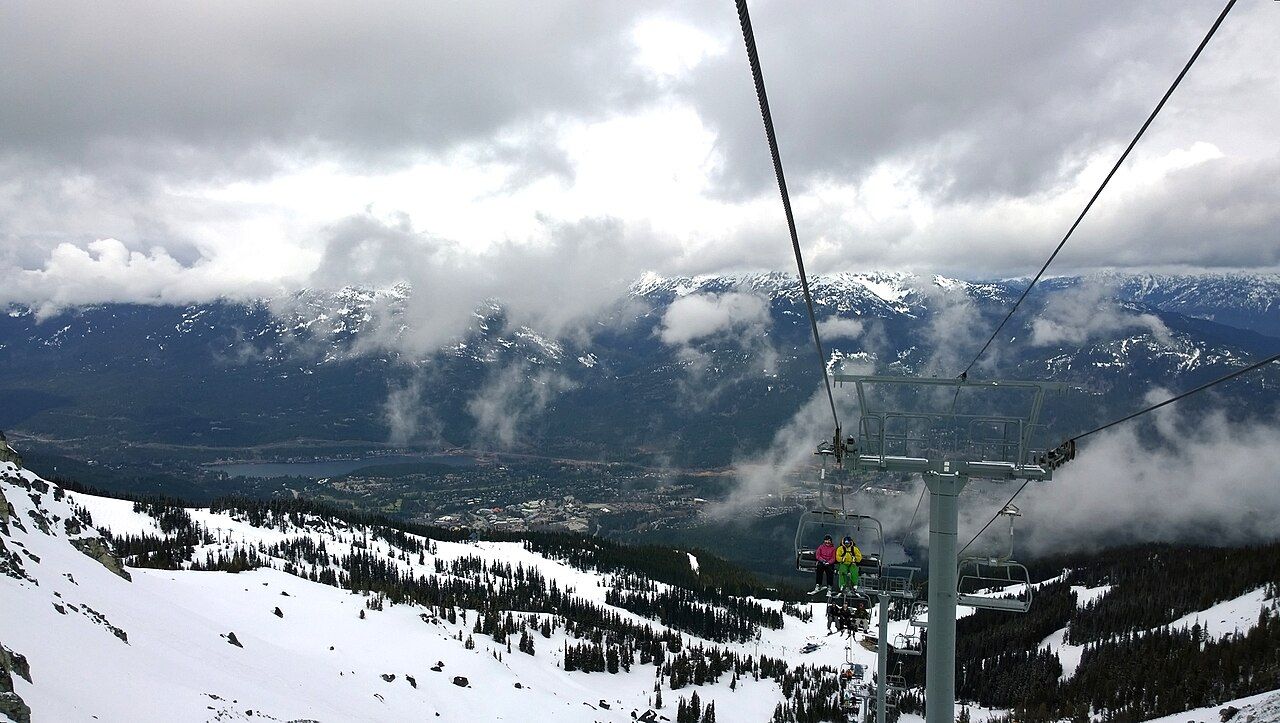
Mountain jobs include lift operations, ticketing, guest services, rental fitting, food service in the mountain restaurants and instructing. Instructors need recognised certifications, and some people train for them before or at the start of the season. Lift operators work outdoors in all weather, often in the cold and dark at the start of a shift, loading chairs, shovelling snow and keeping lines moving. A season pass is usually part of the deal, and that is why many people take the job.
Weather on the coast is changeable. Heavy, wet storms roll in off the Pacific, rain can fall at village level while it snows up high, and visibility in cloud can drop to almost nothing. Dress in layers and keep a dry set of clothes for after work.
The terrain beyond the ski area boundary is avalanche terrain, and people die in it most winters. Do not duck ropes or enter closed areas. If you want to ski the backcountry, take a recognised avalanche course first, carry a transceiver, probe and shovel, go with partners who know how to use them, and read the official avalanche forecast every day.
Life in the village
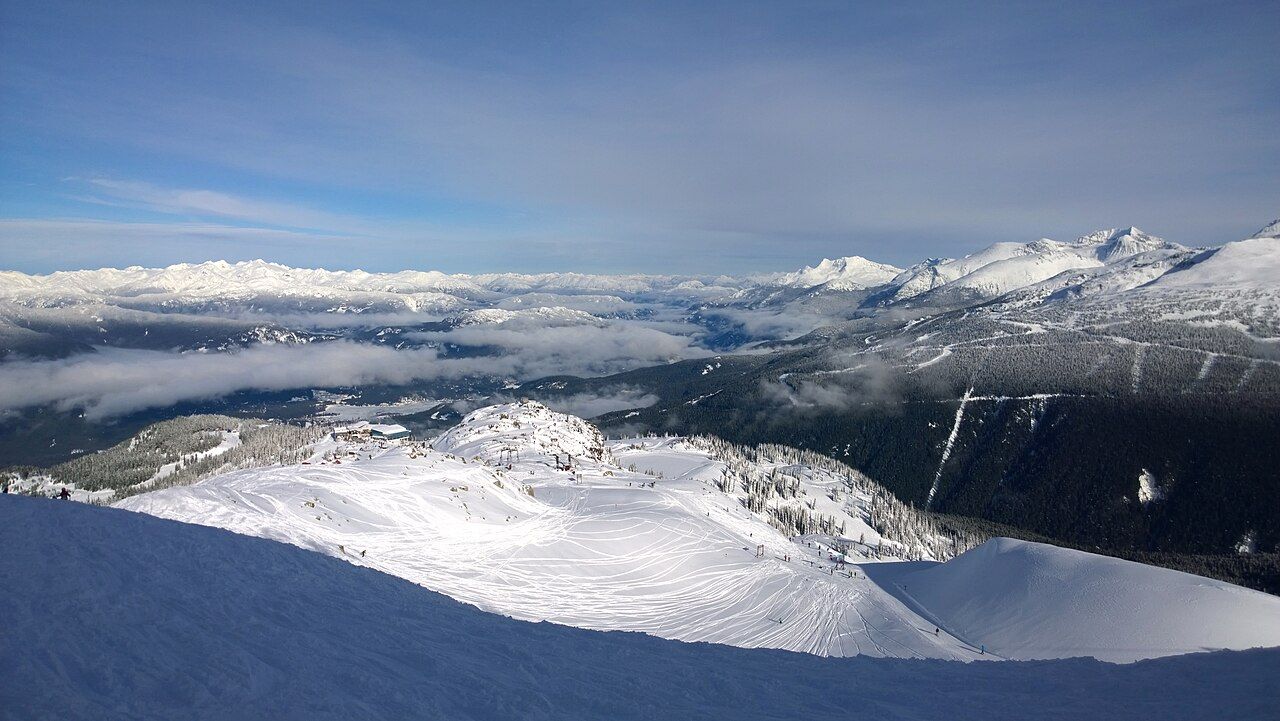
Whistler Village is built around a pedestrian street that runs between hotels, shops and restaurants, with the main lifts at its edge. Upper Village sits at the base of Blackcomb, and Creekside, to the south, has its own gondola. Most hospitality jobs are in the village: bars, restaurants, hotels and shops all hire for the winter, and many need extra staff for the busy weeks around Christmas, New Year and school holidays.
 By Ruth Hartnup from Vancouver, Canada (cc-by) original

Bar and serving jobs in British Columbia need a provincial responsible serving certificate, so do the course before you arrive or in your first days. You also need a social insurance number from the official government office before you can be paid. Minimum wage is set by the province and changes. Tips are an important part of pay in hospitality, but they vary a lot from month to month.
Local buses link the village with the neighbourhoods around it, and walking trails run between them. In winter, the valley trails are used for cross-country skiing and walking, and the lakes along the valley floor freeze over. Never walk on lake ice unless it has been declared safe.
The housing shortage
Housing is the hardest part of a Whistler winter. The town is small, much of the property is let to visitors, and demand from workers far outstrips supply. Rooms are expensive and many are shared. In the busiest seasons, people end up sleeping on sofas, in crowded houses or in cars while they search.
Also on the boardFinding a room without getting scammedA job offer without a bed is only half a plan in Whistler. A job offer without a bed is only half a plan in Whistler. The largest employers run staff housing, but places are limited and allocated early, so ask about housing as soon as you apply. Some people live further down the valley, or in Pemberton to the north or Squamish to the south, and commute by bus or car. That cuts the rent but adds time and winter driving.
Room scams are common. Listings appear with photos lifted from elsewhere, a landlord who cannot show the room, and a request for a deposit by bank transfer to hold it. Never pay for a room you have not seen in person, and get a written agreement. Our guide to finding a room without getting scammed covers the warning signs, and the first-week checklist covers the paperwork that landlords and employers ask for.
The Sea to Sky Highway
Most people reach Whistler by road from Vancouver along the Sea to Sky Highway. It follows the shore of Howe Sound past Squamish, then climbs through forest and mountains to the resort. Buses and shuttles run the route, so you do not need a car to get there.
It is one of the most scenic roads in Canada and one of the most demanding in winter. Snow, ice, fog and heavy rain are common, and the road is busy on weekends. Between autumn and spring, vehicles must have winter tyres or carry chains, depending on the rules in force. Allow extra time and slow down in poor conditions. Watch for wildlife on the road, especially at dusk.
If you are new to Canada, a month in Vancouver can be a good start before you head up the highway: more rooms, more short-term work and time to sort your paperwork.
Injuries and insurance
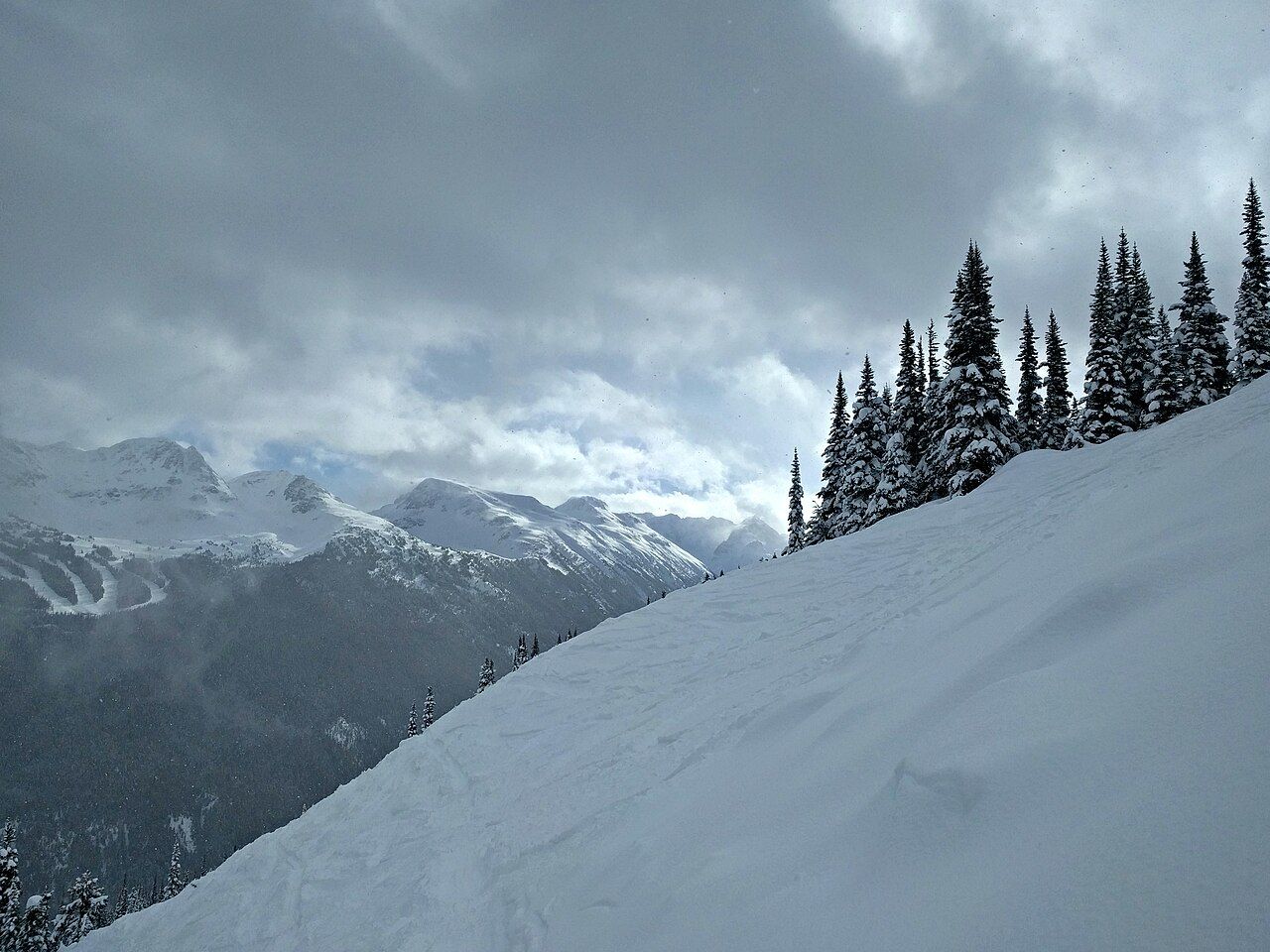
Injuries are a normal part of a ski season. Knees, wrists and shoulders go first, and a bad fall can end your season and your income at the same time. Wear a helmet, ski within your level, and take extra care on the first days of the season and on icy mornings.
 By Ruth Hartnup from Vancouver, Canada (cc-by) original

Health care in Canada is run by the provinces, and visitors are not automatically covered. Check what your health insurance includes before you fly. Make sure it covers skiing and snowboarding, including off-piste if you plan to go there, and that it is valid for your whole stay. If you are hurt at work, tell your employer straight away, since workplace injury claims in British Columbia are handled by a provincial body and the rules on reporting are strict.
Look after your mental health too. Long dark days, hard work, a heavy party culture and money worries can catch up with people by midwinter. Keep some savings back, sleep, eat properly and take a day on the mountain for yourself when you can.
Some people stay on in Whistler for the summer, when the mountain bike park and the hiking trails open. Others head east to Banff and the Rockies for a summer in a national park. Either way, the friends from a winter here tend to turn up again, all over the world, for years.