
Britain and Ireland · Dublin
A working year in Dublin
Dublin is small, friendly and short of rooms. How to find a place to live, get around on the DART and Luas, find work, and use your weekends to see the west of Ireland.
 By Dronepicr (edited by King of Hearts ) Edit corrects CA and sharpens im (cc-by) original
Dublin is a capital city that feels like a large town. You can walk from one side of the centre to the other in under an hour, the coast is a short train ride away, and conversation comes easily in a queue or at a bar. The catch is housing. Rooms are scarce and expensive, and the search shapes your first month more than anything else.
Ireland runs working holiday arrangements with a number of countries, and the terms differ from passport to passport. Age limits, the length of stay and how you apply all vary, and they change. Read the conditions on the official immigration website before you book a flight, and carry your approval letter with your passport when you arrive.
The housing squeeze
Finding a room is the hard part of a Dublin year. Demand runs far ahead of supply, and a well-priced room in a decent house can draw a crowd of people to a single viewing. Expect to send many messages for every reply, and to see several places before anyone offers you one.
A few habits help. Have a short, friendly introduction ready that says who you are, what work you do or are looking for, and how long you plan to stay. Keep a reference from a previous landlord or employer on your phone. Be ready to decide quickly, but never so quickly that you skip seeing the room.
Scams are common, and they prey on exactly that pressure. The classic version is a room in a central area at a price well below the norm, offered by a landlord who is abroad and asks for a deposit by transfer before you can visit. Do not pay for a room you have not seen in person, and do not hand over money to anyone who cannot show you the inside of the property. Our guide to rooms and flatshares has a fuller checklist.
Many newcomers start in a hostel or a short let and widen the search to the suburbs along the train and tram lines. Living further out means a longer commute, but it often means a better room for the money, and Dublin's distances are modest by the standards of bigger cities. If you have already done a first month in London, the pattern will feel familiar, only with fewer rooms to choose from.
 By MOs810 (cc-by) original

Getting around on the DART and Luas
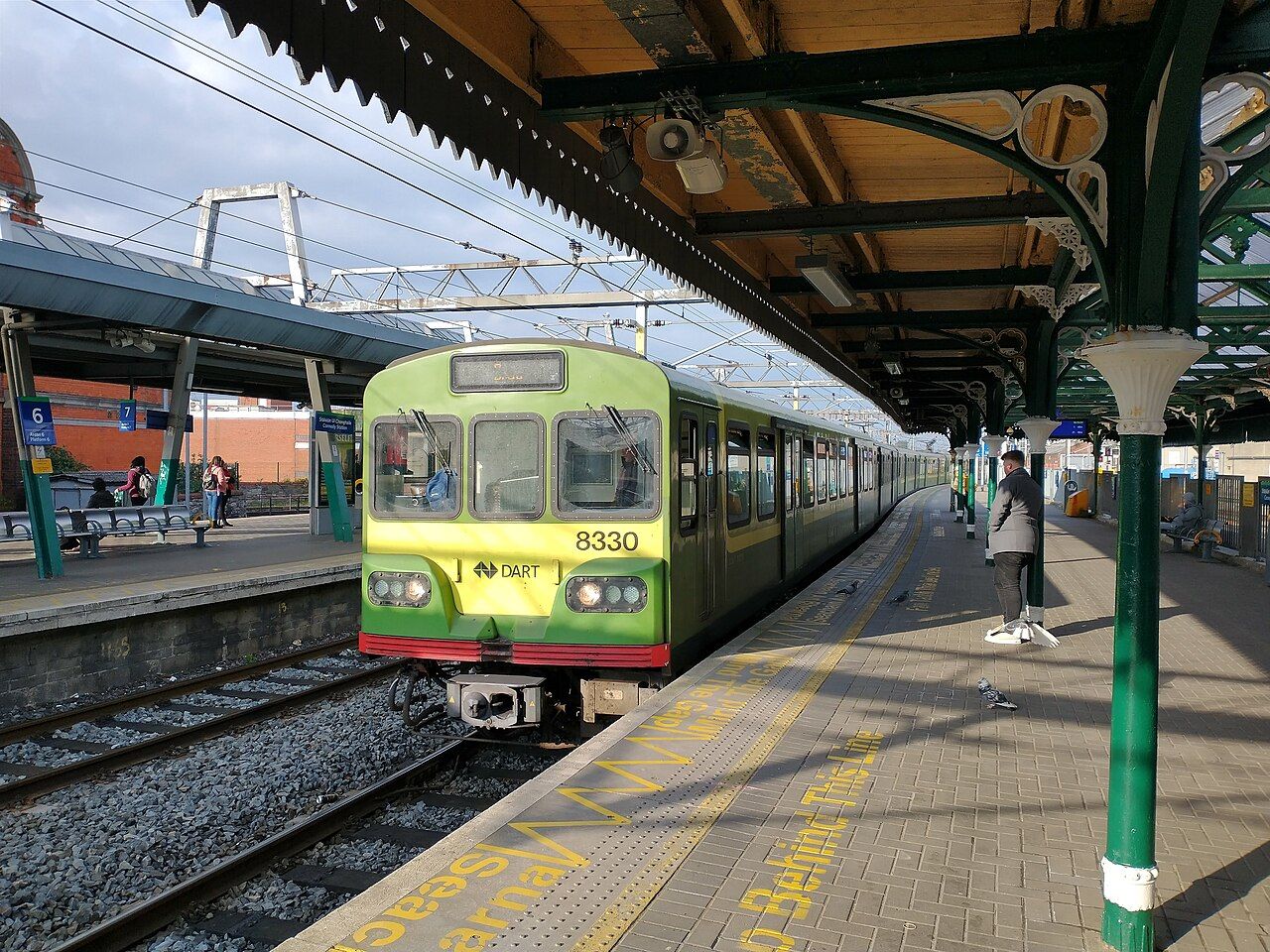
Dublin has no underground. Instead it has the DART, a suburban railway that runs along the curve of Dublin Bay, and the Luas, a tram network with two lines through the city. Buses fill in everywhere else and carry most of the city's passengers.
The DART is the line most people come to love. It follows the coast north towards Howth and Malahide and south towards Bray and Greystones, so a commute can come with a view of the sea. The Luas Red and Green lines cross the centre and reach suburbs to the west and south. A rechargeable transport card works across the DART, Luas and buses and is usually cheaper than paying cash for each trip. Check current fares and any discounts for young people on the official transport website.
Cycling is common in the city, though the weather and the traffic both demand attention. If you drive anywhere in Ireland, remember that traffic keeps to the left and that country roads are often narrow and winding.
Work, tax and paperwork
Before you can be paid properly, you need a personal public service number, which is used for tax and for dealing with public services. You apply for it through the official government service once you have an address. Then register with the official tax authority so that your employer can deduct the right amount from your wages. Without this, you can end up on an emergency tax rate until it is sorted out. The first-week checklist runs through the order of these steps.
Also on the boardThe first-week checklistHospitality is the quickest way into work. Pubs, cafes, restaurants and hotels hire throughout the year, with more openings before summer and the Christmas season. Dublin is also home to the European offices of many international firms, and they often look for staff who speak other European languages for customer support roles. Office temping, retail and summer tourism work round out the usual options.
Minimum wage rules, holiday pay and tax rates are set nationally and change from year to year. Check them on the official government and tax authority websites rather than trusting the figure a flatmate quotes. Be wary of any job offer that asks you to pay for training or a uniform up front, or that promises cash with no payslip.
The city and the coast at Howth
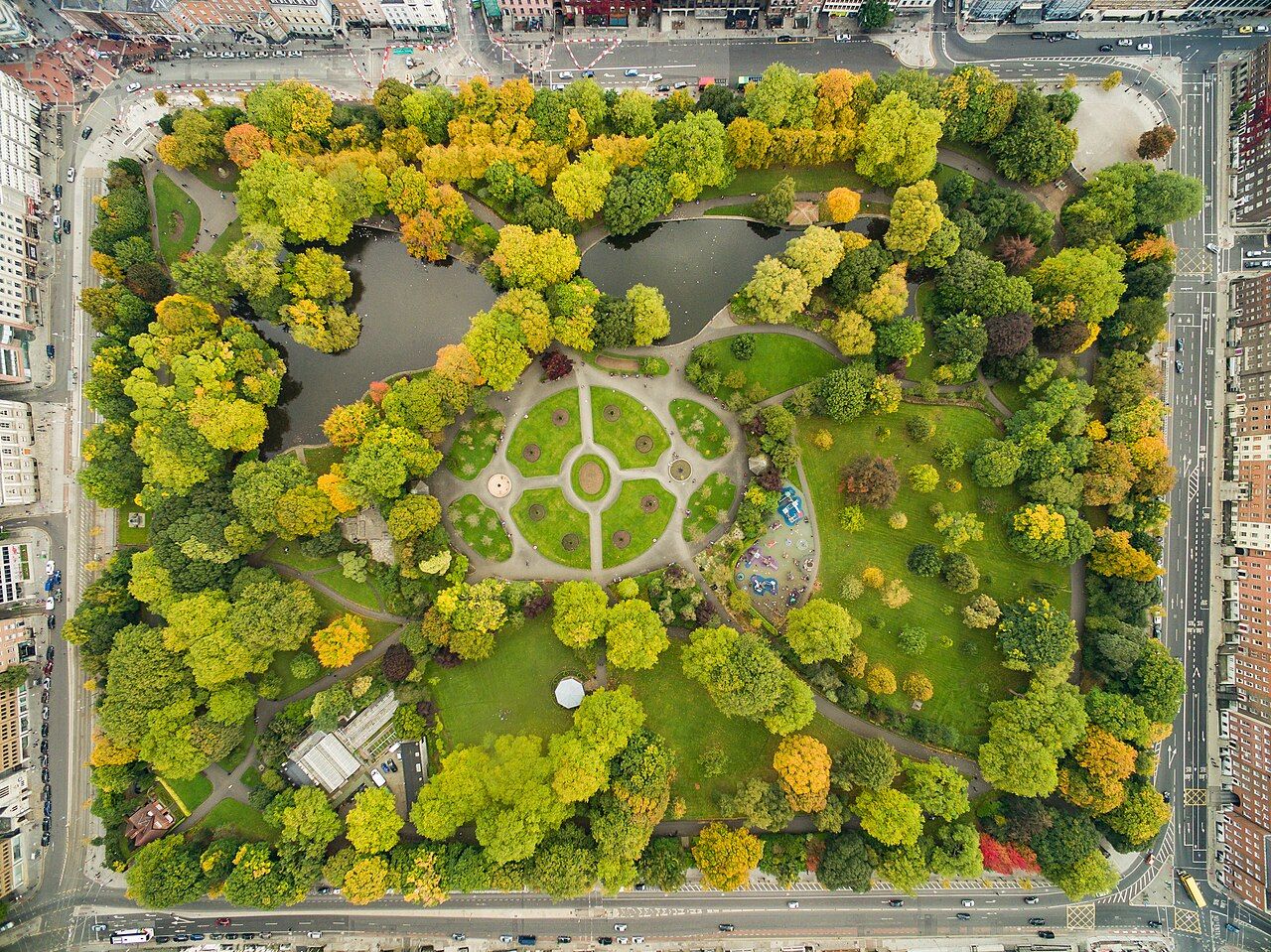
The free parts of Dublin are some of its best. St Stephen's Green, a square park of lawns, ponds and flower beds, sits at the top of Grafton Street and fills with office workers on any dry lunchtime. Phoenix Park, to the west of the centre, is one of the largest enclosed city parks in Europe, and herds of deer graze in its open grassland.
 By Diliff (cc-by-sa) original

Trinity College, in the middle of the city, lets the public walk through its cobbled squares. The Old Library, with its long barrel-vaulted hall of books, charges for entry and is worth one visit during your year. Many of the national museums are free, which makes them a good plan for a wet afternoon.
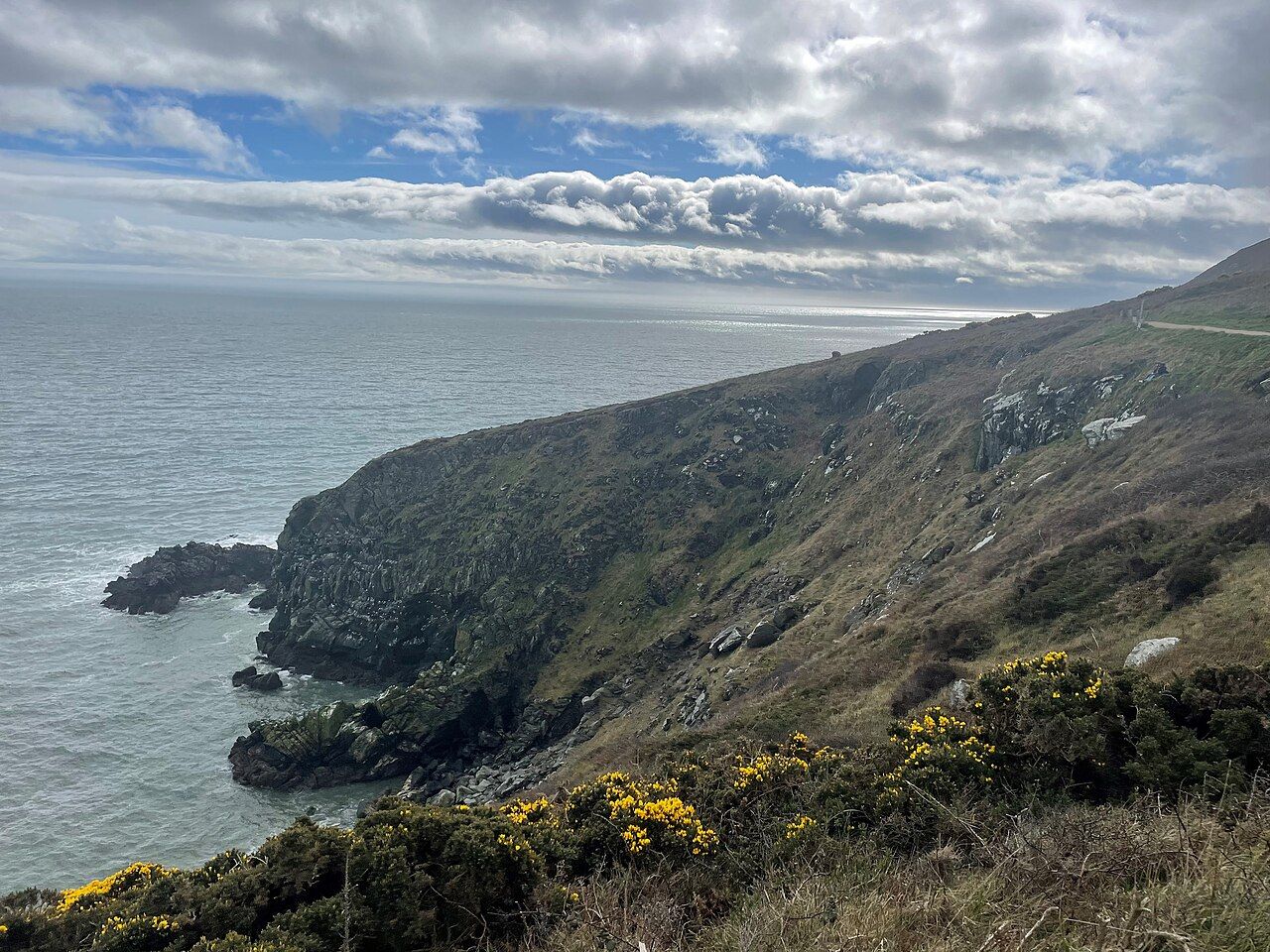
When you need open space, take the DART to Howth. The fishing village sits at the end of the line on a hilly peninsula, and a cliff path loops around the headland above the Irish Sea, through gorse that flowers yellow for much of the year. The path is narrow in places with steep drops, so stay on the marked route and keep back from the edges, especially in wind or rain.
 By Chemistry&art (cc0) original

Weekends out west
A working year in Dublin is a chance to see the rest of Ireland, and the west is where most people head first. Trains and intercity buses run from Dublin to Galway in a few hours, and Galway makes a good base for the Aran Islands, the stone walls and bogs of Connemara and the limestone country of the Burren. The Cliffs of Moher sit on the coast south of Galway Bay.
The north of the island, with Belfast and the Causeway Coast, is within reach too. Remember that Northern Ireland is part of the United Kingdom.
Pack for rain whatever the forecast. The weather in Ireland changes quickly, and a sunny morning on the west coast can turn to sideways drizzle by lunch.
Making the year work
Dublin rewards people who arrive with savings and patience. The first few weeks, spent chasing rooms and paperwork, can be tiring. Once you have an address, a number and a job, the city opens up: a short train ride to the sea, a busy music scene, and a whole island to explore on your days off.
If you want to compare notes with another festival-season city before deciding where to spend a summer, Edinburgh in August is a short flight away and draws many of the same seasonal workers.