
Canada · Vancouver
Vancouver: the first month
Vancouver is where many working holidays in Canada begin. How to get through the first month: the rain, the transit network, the neighbourhoods, the hunt for a room and the first job.
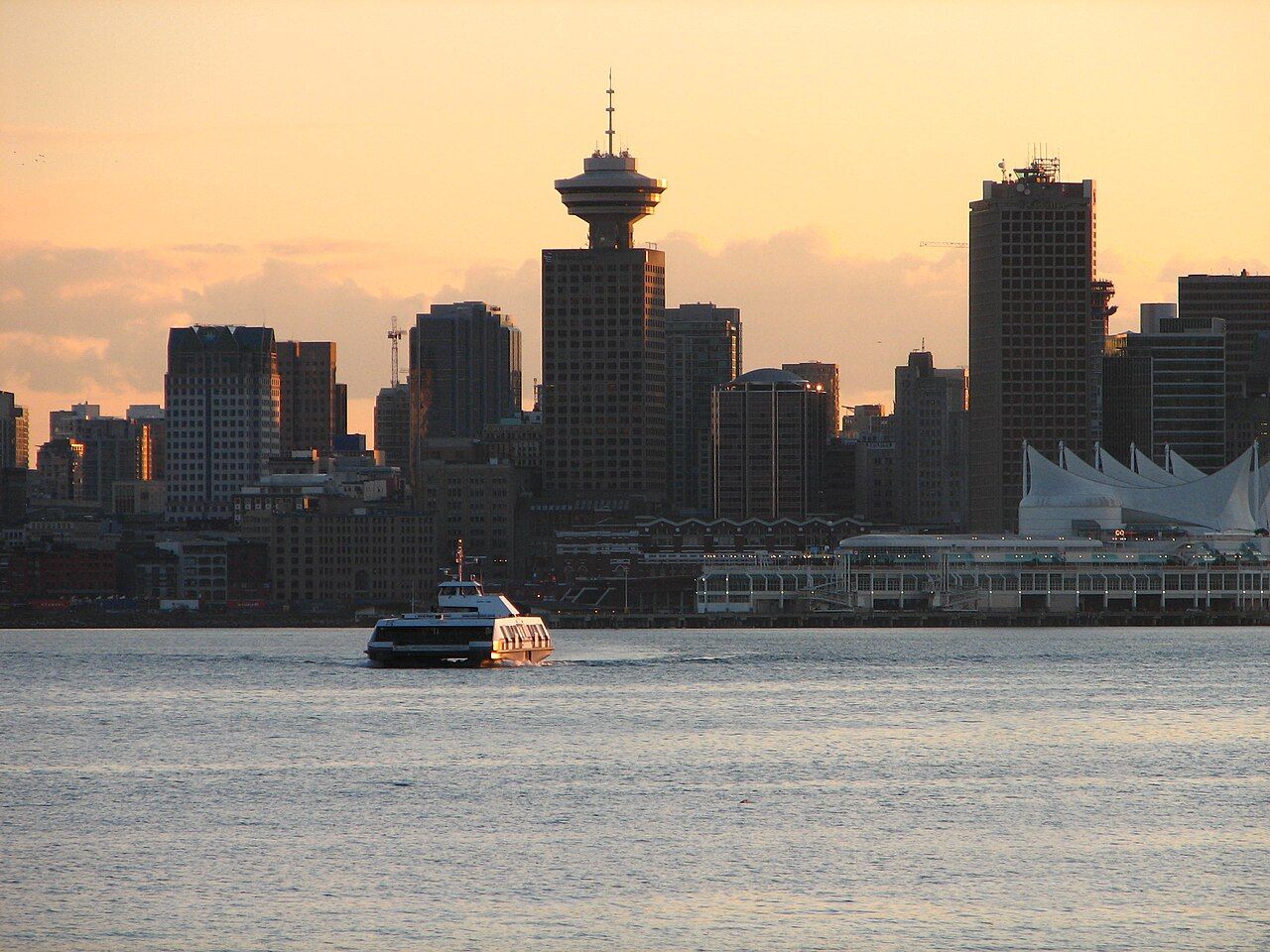 By photographer unknown (cc-by-sa) original
Vancouver sits between the mountains and the Pacific, and for many people on a working holiday in Canada it is the first stop. The flights from Asia and Australia land here, the ski resorts are a few hours up the road, and the city has a steady supply of work in kitchens, bars, shops and offices. The catch is the cost of a room and the long, grey, wet winter. A good first month is about getting the paperwork done, finding a place to live without being scammed, and earning before your savings run down.
Canada's working holiday category is part of a wider youth mobility programme, and the conditions depend on your passport: age limits, length of stay, quotas and how invitations are issued all vary and change from year to year. Read the current rules on the official immigration website before you book anything. Your work permit is usually issued at the border when you arrive, so carry your approval letter, proof of funds and any insurance documents the rules ask for in your hand luggage.
Rain, and what it does to the year
The city's reputation for rain is earned. From roughly October to March, low cloud and steady drizzle are normal, and some weeks pass with little sun at all. Snow in the city itself is uncommon and usually melts quickly, though the mountains just north of town get plenty. Summers are the reward: roughly July to September is usually dry, warm rather than hot, and light until late in the evening.
The practical answer is a proper waterproof jacket and shoes that cope with puddles, not an umbrella that turns inside out on the seawall. If you arrive in autumn, the darkness and damp can wear you down in the first weeks, so get outside on the dry days and build a routine early. People heading on to the ski fields often spend a few weeks here first; our guide to a winter in Whistler covers that next step.
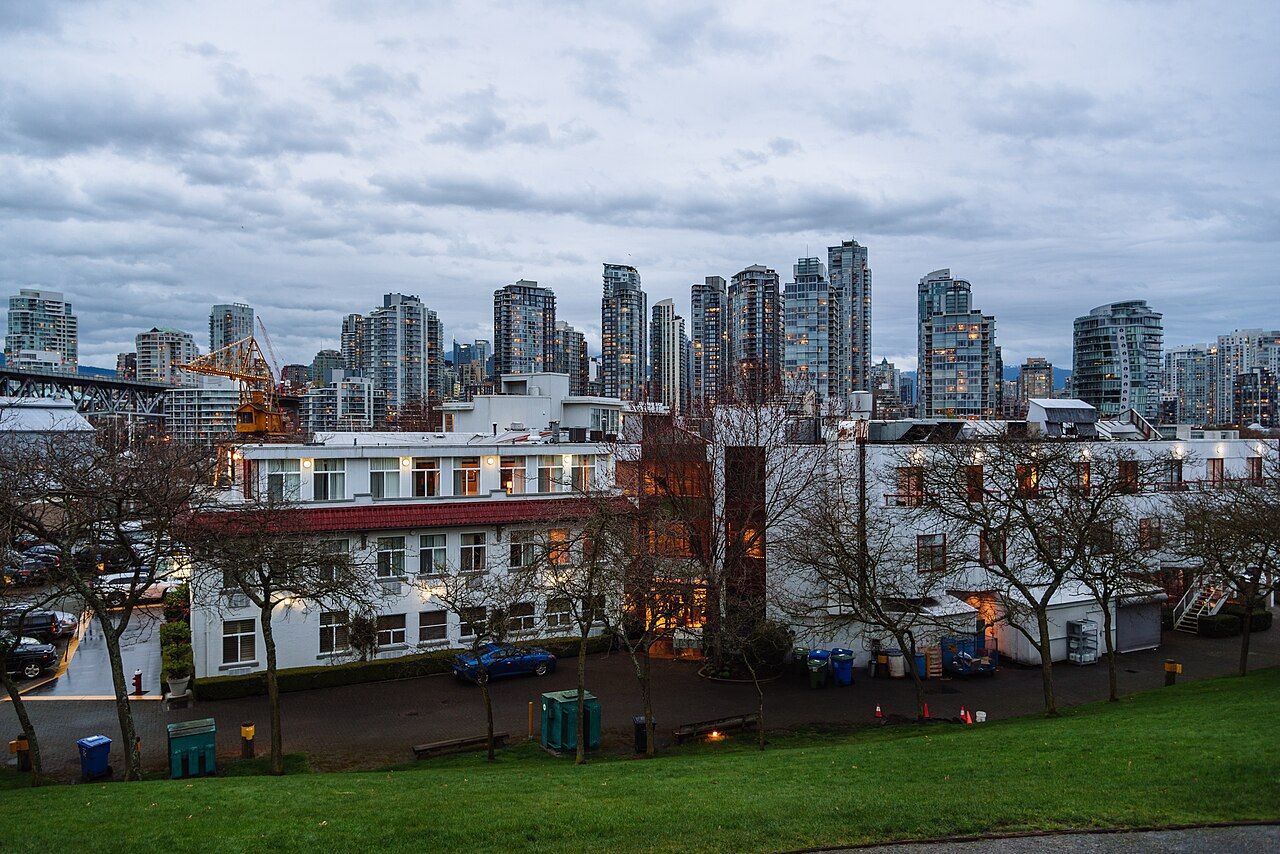 By Xicotencatl (cc-by-sa) original

SkyTrain, SeaBus and buses
Transit across Metro Vancouver is run by a single regional authority and uses one fare card or contactless payment, tapping in and, on SkyTrain and SeaBus, tapping out. SkyTrain is the automated light metro: the Expo and Millennium lines run east from downtown towards Burnaby and Surrey, and the Canada Line runs south to Richmond and the airport. It is the cheapest way from the airport into the city.
The SeaBus is a passenger ferry across Burrard Inlet between the Waterfront station downtown and Lonsdale Quay in North Vancouver. It is part of the ordinary network, not a tourist boat, and on a clear evening it is one of the best views in the city. Buses fill in the rest, including frequent routes along Broadway and through the inner neighbourhoods.
Canada drives on the right. If you are used to the left, take extra care at junctions and when stepping off the kerb, where cyclists often come from a direction you do not expect.
Also on the boardThe first-week checklistNeighbourhoods and the room hunt
Vancouver's rental market is one of the tightest in the country, and the room is usually the hardest part of the first month. Most newcomers book a hostel or a short let for the first week or two and look in person once they arrive. Downtown and the West End are walkable and close to the water, with many small apartments and high rents. Kitsilano, across False Creek, is popular with younger people for its beaches and its bus links. East Vancouver, including Mount Pleasant and the streets around Commercial Drive, has more shared houses and a slightly lower cost, and the SkyTrain stations make Burnaby and New Westminster an option if you can live with a longer ride.
Scams around rooms are common here because demand is so high. Never send a deposit for a room you have not seen with your own eyes, and be wary of a landlord who is overseas, who cannot show you the inside, or whose price looks far below the rest. British Columbia has an official residential tenancy office with clear rules on deposits and notice; read its guidance before you sign. Our guide to finding a room without getting scammed covers the usual warning signs.
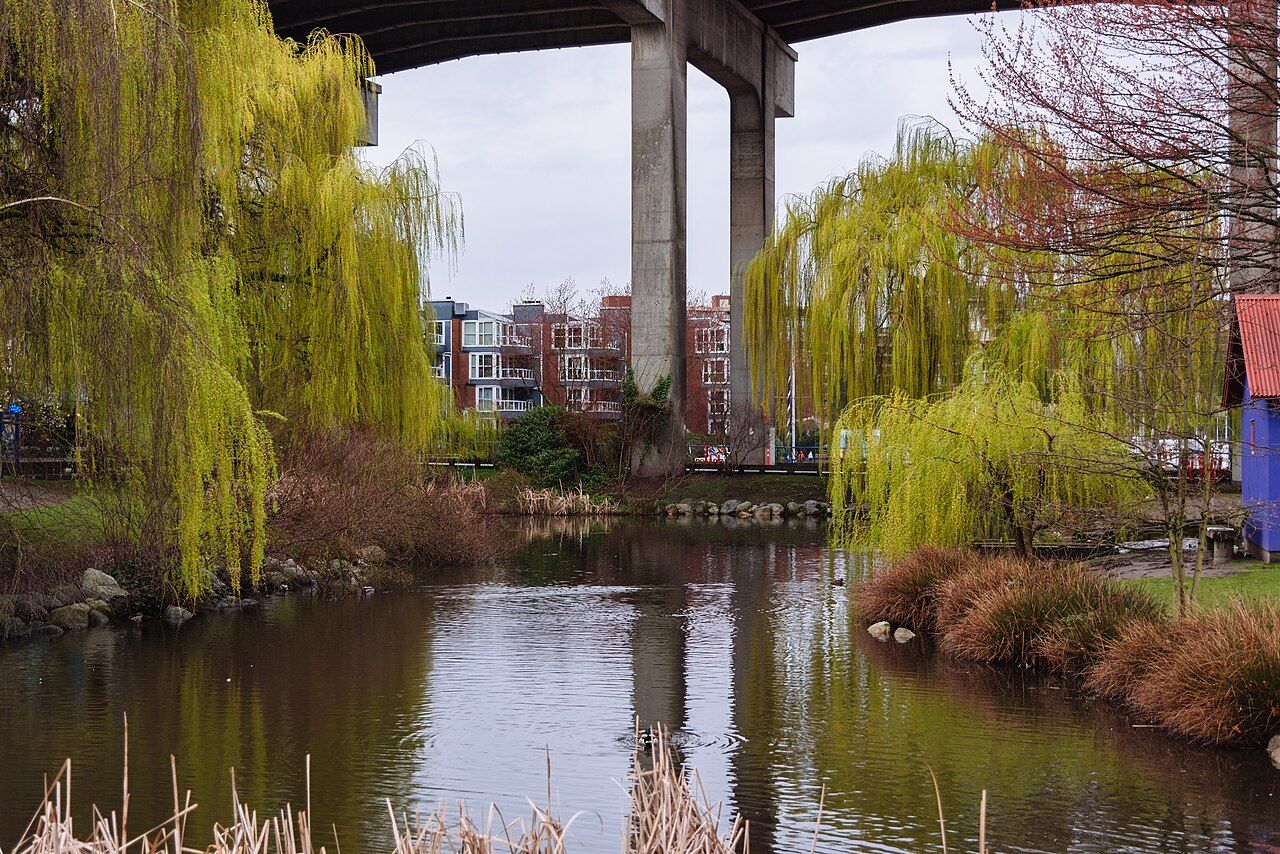 By Xicotencatl (cc-by-sa) original

Paperwork and the first job
The first task is a Social Insurance Number, which you need before an employer can pay you. Apply at a Service Canada office or through the official government website, with your passport and work permit. Then open an account with a bank and get a local number from a mobile provider so employers can reach you. The first-week checklist runs through these steps in a sensible order.
Hospitality is the trade that hires fastest: restaurants, bars and hotels take staff in every season, with extra hiring before summer and before the ski season. Serving alcohol in British Columbia needs a provincial responsible service certificate, which you can usually complete online in a day, and kitchen work often asks for a food safety course. Retail, warehouse work, construction labouring and office temping make up much of the rest. Tipping is a large part of income in table service. Minimum wage, tax and holiday pay rules are set by the province and the federal government and change over time.
Be careful with job offers that ask you to pay for a placement, a uniform or training before you start, and with work that is cash in hand with no pay stub. A real employer asks for your Social Insurance Number and pays into your bank account.
Stanley Park and the days off
Stanley Park sits at the tip of the downtown peninsula, a large forested park ringed by the seawall path. Walking or cycling the full loop takes an afternoon and costs nothing, and the paths through the middle feel a long way from the towers a few minutes away. The seawall continues around False Creek, past Granville Island and on to Kitsilano, which makes it the easiest way to learn the shape of the city in your first weeks.
The North Shore mountains are close enough for an after-work hike in summer. Trails there are steep and the weather changes fast, so start early, carry water and a light, and tell someone your route. Black bears live in the forests above the city: keep food packed away, make noise on the trail, and follow any trail closure signs. Later in the year, many people use Vancouver as the base for the drive inland to the Rockies; our guide to Banff and the Rockies covers a summer in the mountains next door in Alberta.
A first month in Vancouver rarely goes to plan. Rooms take longer to find than you expect and the rain arrives earlier. Give yourself a cushion of savings, keep the paperwork moving, and the city starts to make sense by the end of the month.