
Japan · Tokyo
Tokyo on a working holiday
The world's largest city is easier to live in than it looks. How share houses, residence paperwork, the trains and the language work when you arrive in Tokyo to live and earn.
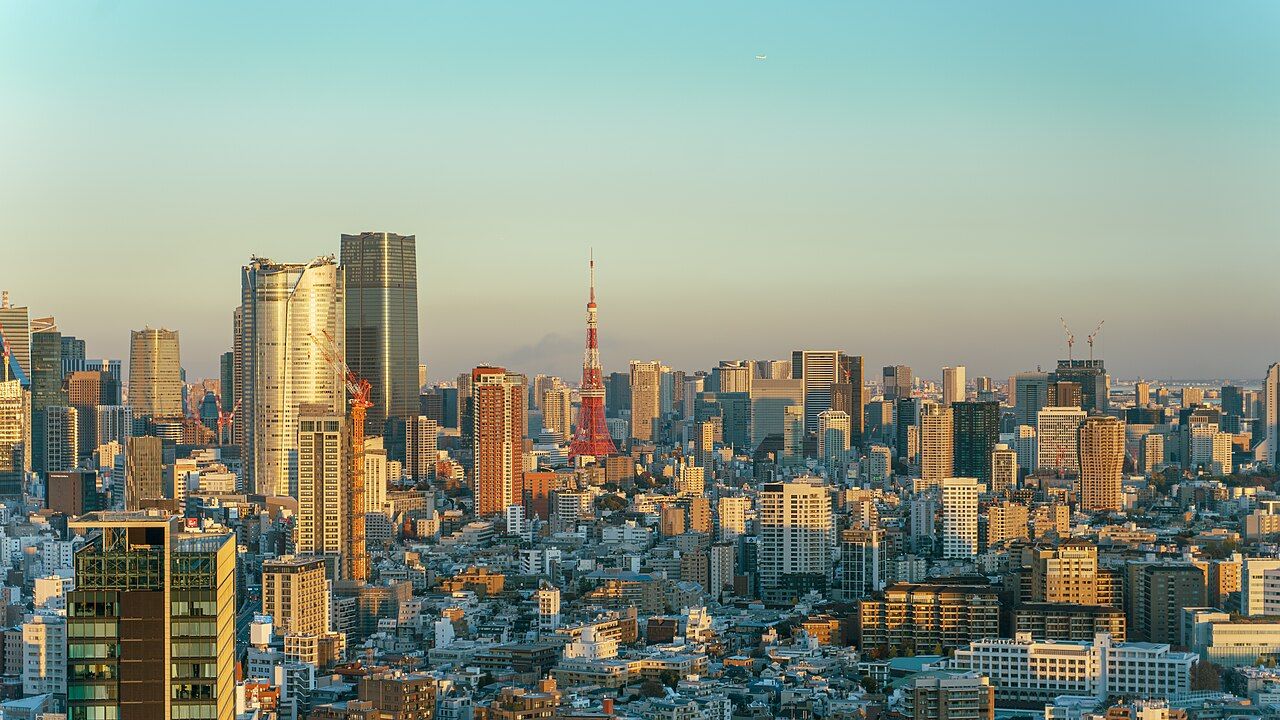 By David Kernan (cc-by) original
Tokyo can look overwhelming from the outside: millions of people, a train map that resembles a circuit board, and a language written in three scripts. Once you are there, it turns out to be one of the most orderly, safe and convenient cities in the world to live in. The hard part is the first few weeks of paperwork and finding somewhere to live. Both are described here only in broad strokes.
Check the visa first
Japan's working holiday visa is available only to citizens of certain countries, and its conditions differ by country. Age limits, the length of stay, annual numbers, and whether you must apply from your home country all vary, and they change. Some kinds of nightlife work are off-limits to working holiday visa holders. Read the current rules for your passport through the official Japanese government sources, usually the embassy or consulate that serves your home country, and keep your paperwork together for arrival.
On arrival at the main international airports, people staying for a longer period are usually issued a residence card. It is your key identity document in Japan, and you are expected to carry it.
Share houses and finding a room
Renting a standard apartment in Tokyo is difficult for a newcomer. That combination puts ordinary leases out of reach for most people on a working holiday.
Share houses fill the gap. They are buildings or large houses split into private or shared rooms, with a common kitchen, bathroom and lounge, and they are set up for people who are new to the country. Rooms are usually furnished, bills are often included, contracts are shorter and the upfront costs are lower. Many residents are foreigners, which makes them a good place to swap advice, though plenty of Japanese residents choose them too.
Look at the location, the length of the contract, what the monthly payment covers, the house rules and the notice period before you sign. Visit the house, or at least see a live video of the actual room, before paying anything, and be wary of any listing that asks for a deposit with no address. Our guide to rooms and flatshares covers the warning signs.
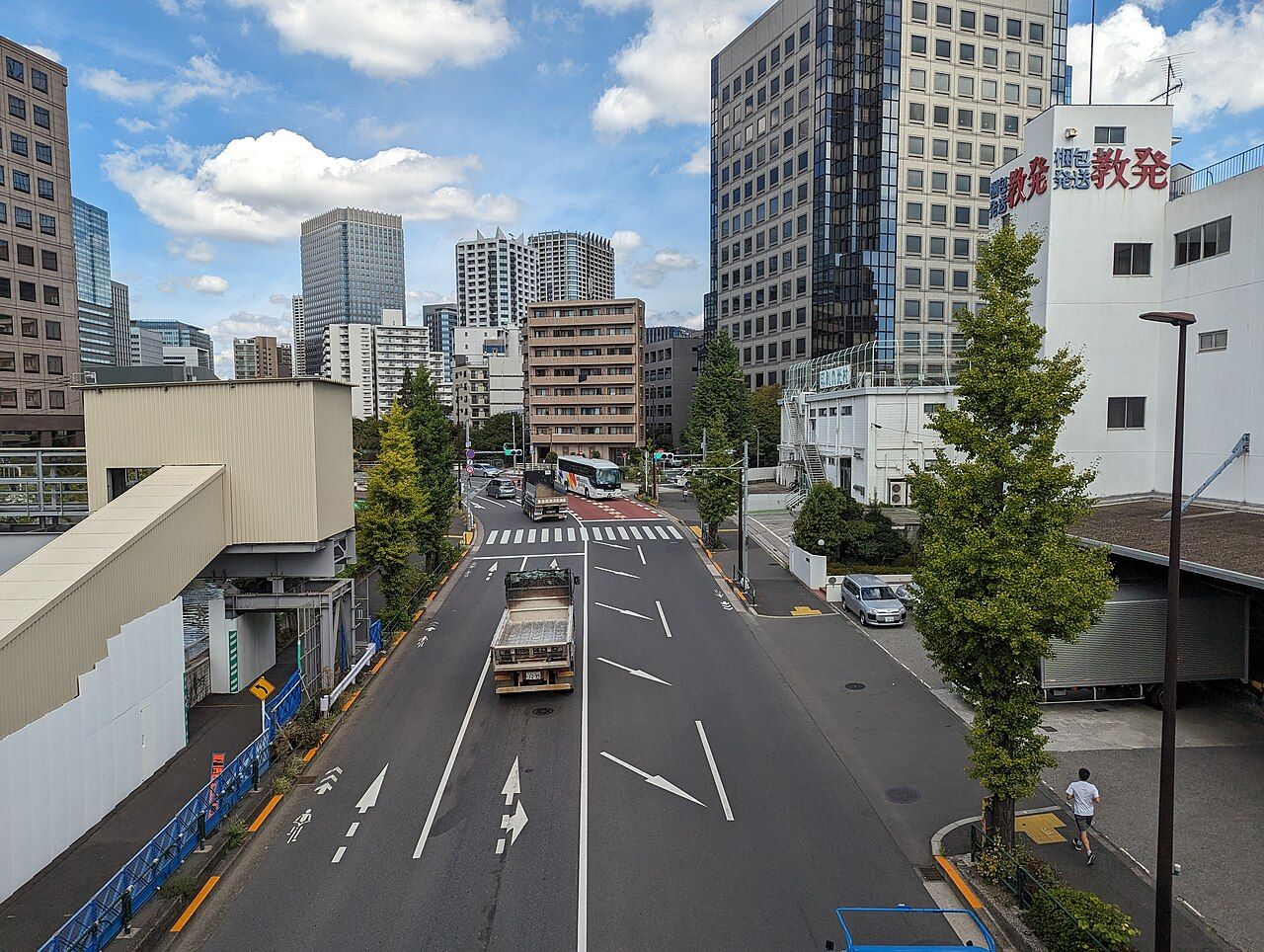 By Syced (cc0) original

Residence registration and paperwork
Once you have an address, you register it at the ward or city office that covers your area. Tokyo is divided into wards, and each has its own office. Do this within the deadline that applies after moving in. Bring your passport and residence card, and expect a wait and several forms.
Also on the boardA ski season in NisekoRegistration usually leads into the national health insurance system, which residents pay into and which covers a large share of medical costs. You may also be asked about the public pension system. The details depend on your visa and circumstances, so ask at the counter, keep every form, and check the official websites for the general rules. The first-week checklist lists the usual order of setup tasks.
A bank account and a mobile number come next. They depend on each other: a bank may ask for a Japanese phone number, and a mobile provider may ask for a bank account or card. Some banks also restrict accounts for people who have just arrived. Ask staff what they need before you queue, and take your residence card everywhere.
Check the official tax authority for the general picture, and ask your employer how tax is handled on your wages.
Trains, language and getting around
Tokyo runs on rails. The Yamanote Line loops around the central districts, linking hubs such as Shinjuku, Shibuya, Ikebukuro, Ueno and Tokyo Station, and it is the line most newcomers learn first. Subway lines cross the centre, and suburban railways run out in every direction. Rechargeable transport cards work on almost every train and bus in the city and in many shops.
Trains are punctual, clean and very crowded at rush hour. Stand to one side of the escalator as the locals do, keep your voice down and your phone on silent, and let people off before you board. Last trains leave around midnight, so plan late nights accordingly.
English signs are common on the trains and in the main stations. Elsewhere you will need some Japanese. Learning hiragana and katakana before you fly makes daily life much easier, and a handful of polite phrases opens doors. Many jobs open to working holiday makers, especially in hospitality, expect at least basic spoken Japanese. English teaching is the most common exception, and roles in hotels, translation and some offices suit people with stronger language skills.
Cost of living and staying safe
Rent is the largest cost, and it rises the closer you live to the central wards. Living near a station on a suburban line cuts your rent and still keeps you within easy reach of work. Food can be surprisingly affordable: supermarkets discount prepared meals in the evening, and simple set meals in small restaurants are good value. Eating out at the top end, nights out and taxis are where money disappears.
Tokyo is safe by the standards of big cities, but scams exist. Be careful of street touts in nightlife districts and of any job advertisement that asks you to pay a fee to start.
Japan has frequent earthquakes. Find out where your nearest evacuation area is, keep water and a torch at home, and learn what the emergency alerts on your phone mean. Summers are hot and humid, so drink water and slow down on the hottest days.
Tokyo also makes a good base for the rest of the country. Many people spend part of the year in the city and part elsewhere, such as a winter ski season in Niseko in Hokkaido, before returning to the capital in spring.