
Japan · Niseko
A ski season in Niseko
Deep powder, a volcano on the skyline and a winter town that fills with seasonal workers from around the world. What to expect from a season in Niseko, from housing to the hot springs.
 By Oga from ja, the copyright holder of this work, hereby publishes it un (cc-by-sa) original
Niseko sits in the southwest of Hokkaido, Japan's northern island, on the slopes of a mountain called Niseko Annupuri. Cold air sweeping across the Sea of Japan from Siberia picks up moisture and drops it here as light, dry snow, often in huge amounts. That snow has turned a quiet farming district into one of the best-known ski destinations in Asia, and every winter it draws a large seasonal workforce from Australia, New Zealand, Europe, North America and across Japan.
A season here is not like a season in the Alps or the Rockies. The snow is deeper, the language is different, and the culture of the bath house becomes part of your week. This guide covers how the winter works, where people live, and what to know before you go.
Visas and the season calendar
Japan's working holiday visa is open only to citizens of certain countries, and the conditions differ by country. Age limits, the length of stay, how many visas are issued and where you apply all vary, and they can change. Some nationalities apply through a Japanese embassy or consulate in their home country well before travelling.
The lifts usually open in late November or early December and run until roughly the end of March, with some runs staying open into early April in a good year. The busiest weeks are usually Christmas and New Year, the Lunar New Year holiday, and the middle of February. Many employers want staff in place before the opening day for training, so plan to arrive in November.
 By ShakyIsles (cc-by-sa) original

Powder, the mountain and the winter influx
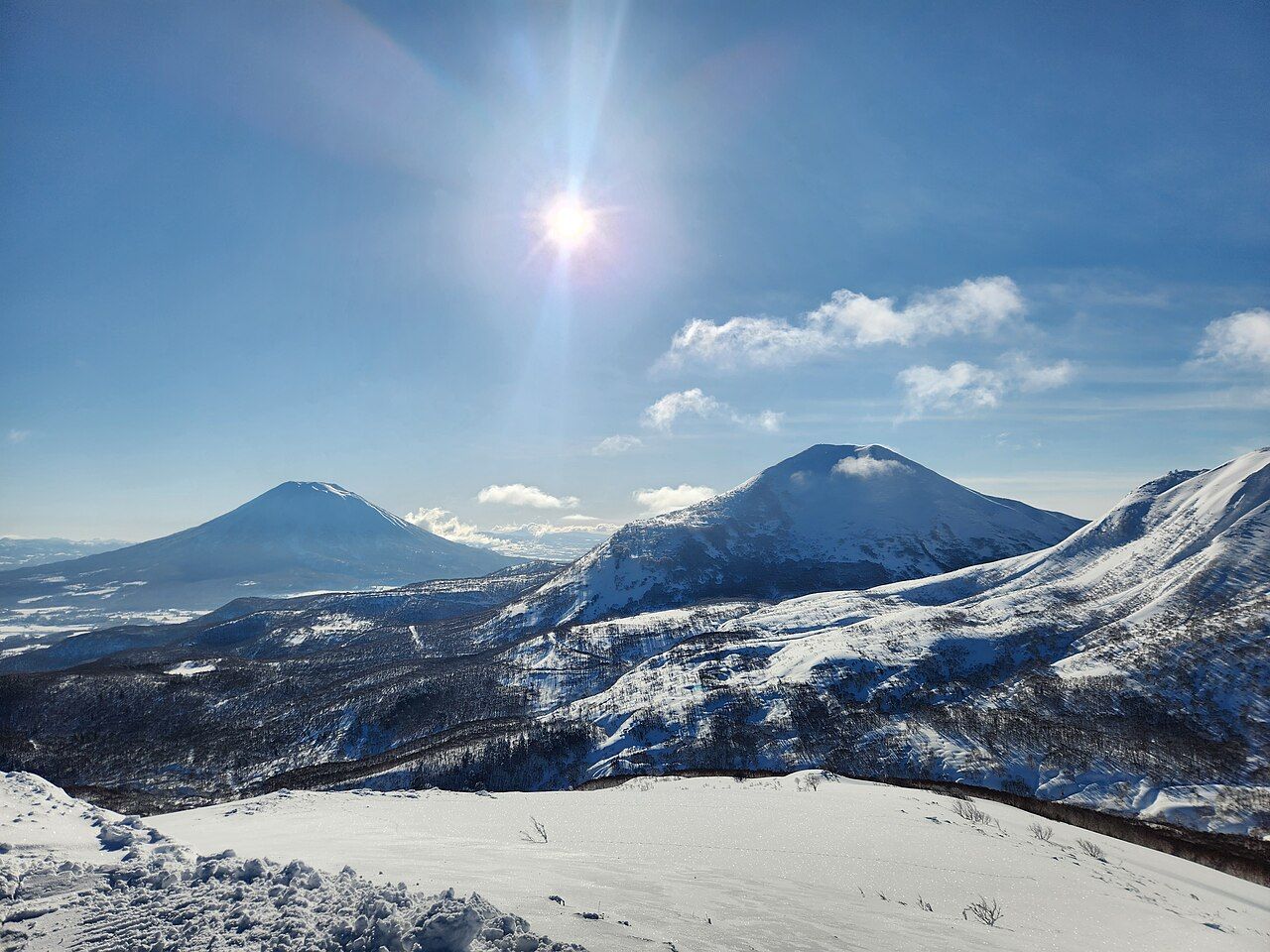
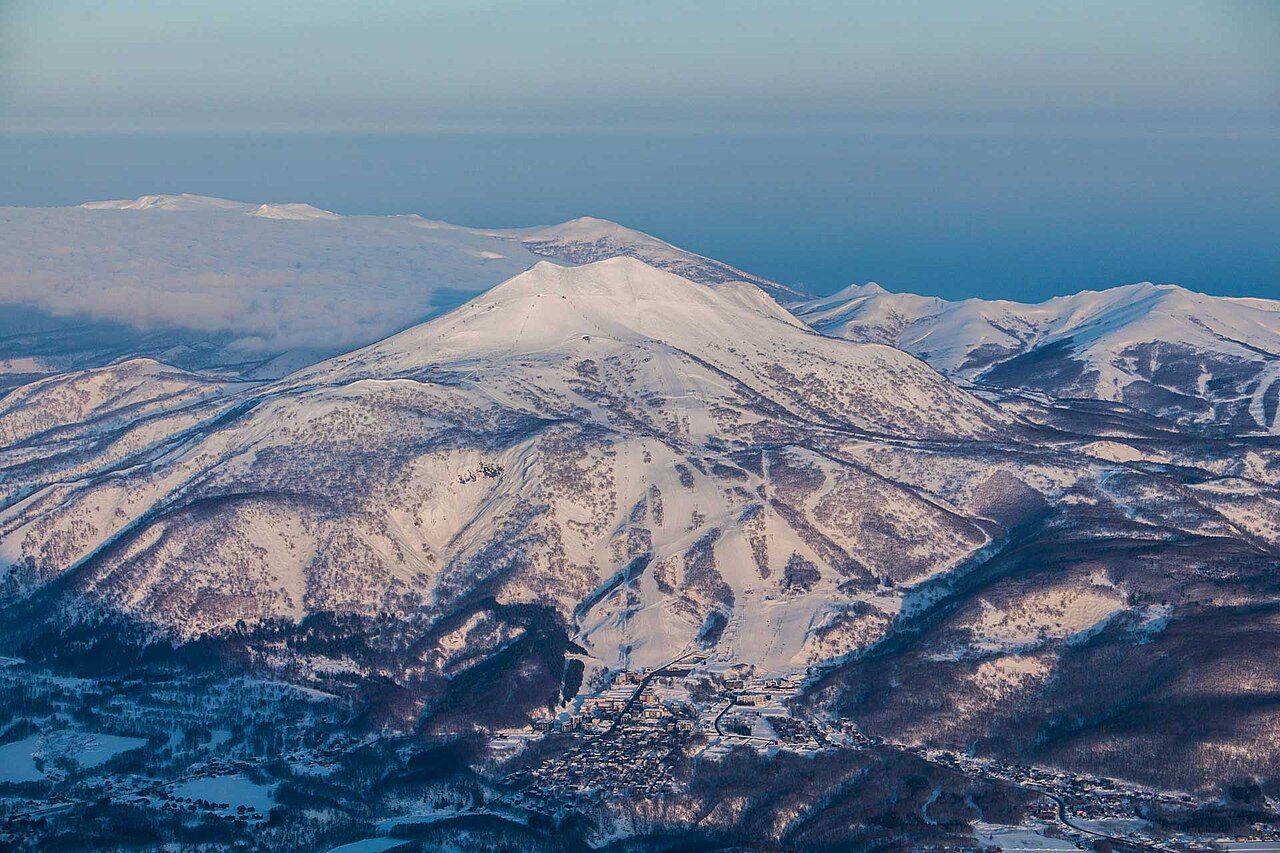
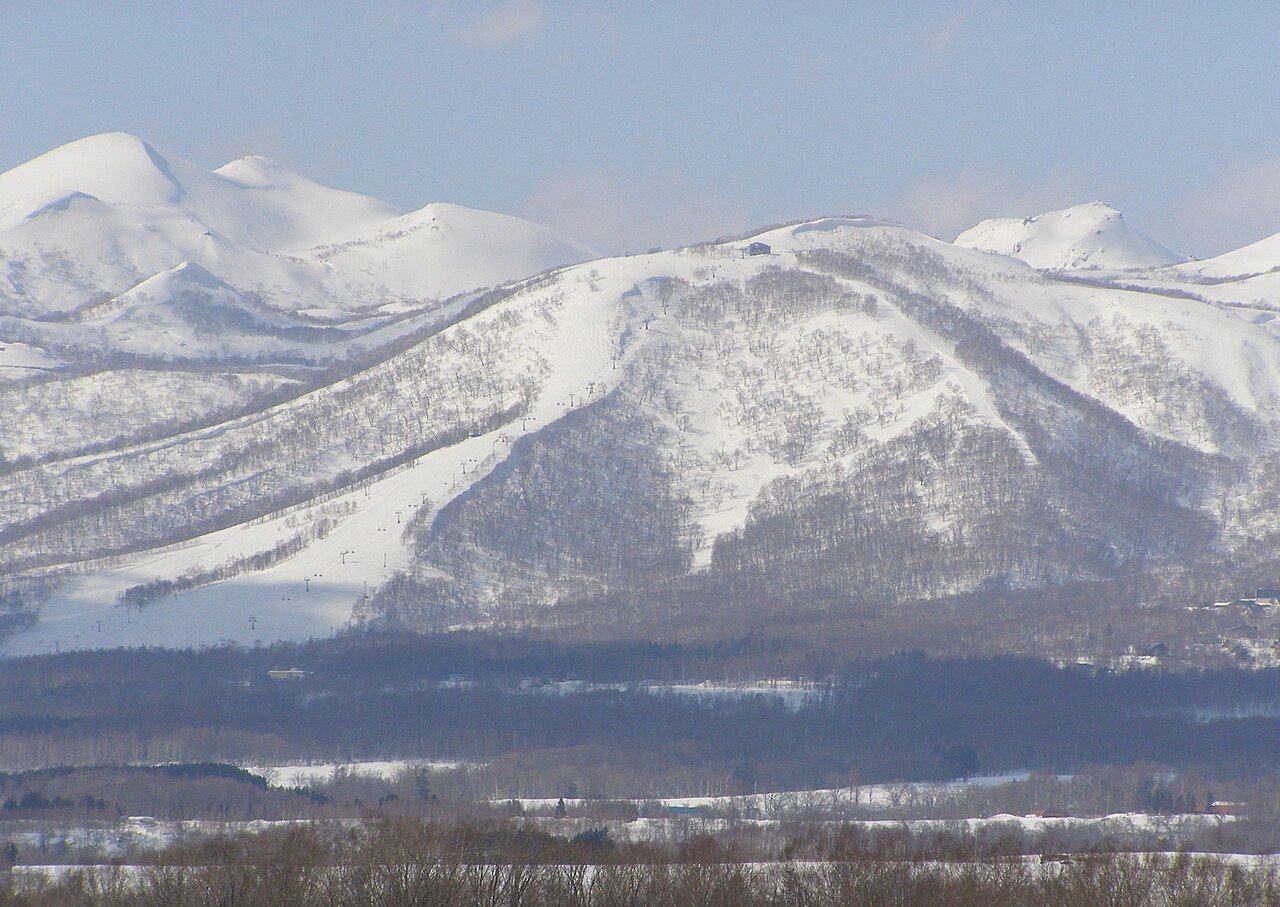
The ski terrain wraps around Niseko Annupuri and is split into several linked ski areas, including Grand Hirafu, Hanazono, Niseko Village and Annupuri. The lift system connects them across the upper mountain, and a shared pass covers all of them. Hirafu is the busiest base, with the largest village of rental apartments, restaurants and bars, and it is where most seasonal workers spend their nights off.
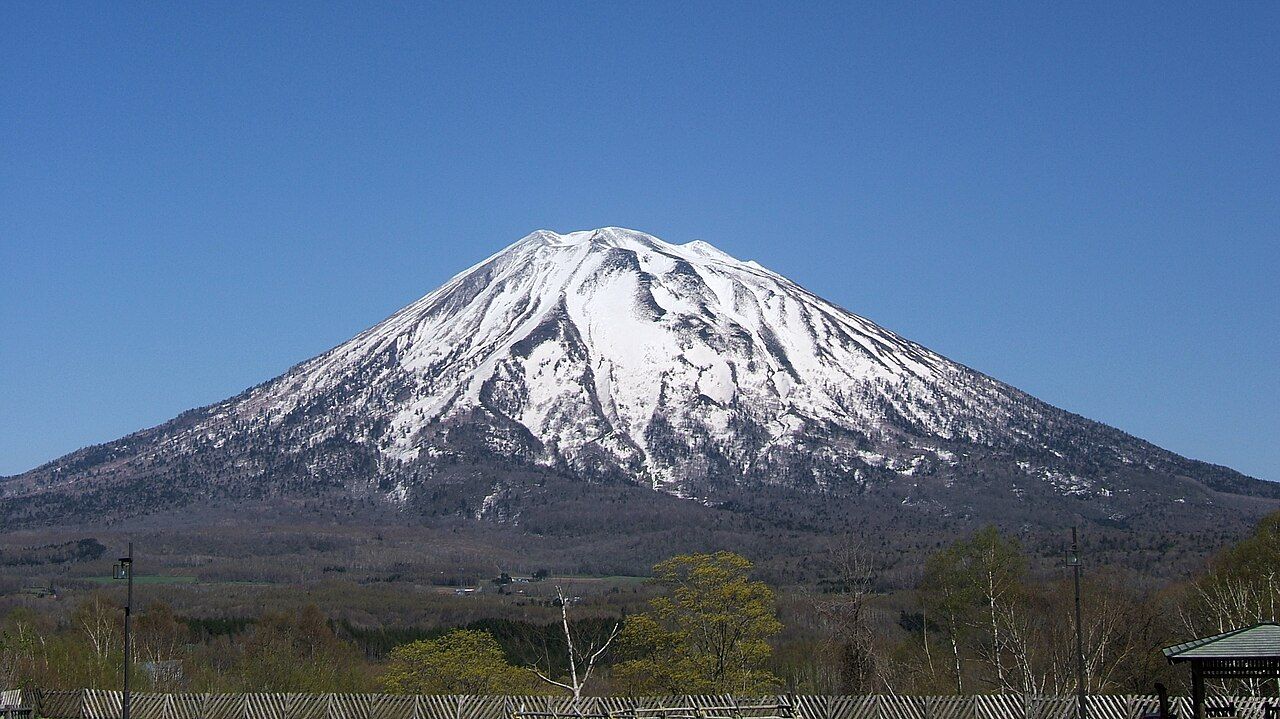
Across the valley stands Mount Yotei, a near-perfect volcanic cone sometimes called the Fuji of Hokkaido. On a clear day it fills the view from almost every run and every bus stop, and watching the light change on its snowfields becomes a small daily ritual.
The town that serves the resort is Kutchan, a few kilometres downhill from Hirafu. It has the railway station, supermarkets, the municipal office, a hospital and much of the cheaper housing. Buses link the town with the ski areas, though they fill quickly at the start and end of the day.
 By Alisterio1010 (cc-by-sa) original

Finding a job and a bed
Housing is the deciding factor in a Niseko season. The village fills with visitors in winter, and there are far fewer beds for workers than there are workers. Many employers offer staff accommodation, often in shared rooms, with the rent deducted from wages. Ask about it before you accept a job, and get the terms in writing: what the rent is, what it includes, how many people share a room, and how far it is from your work.
If you have to find a place on your own, start early and expect to share. Rooms in Kutchan are usually cheaper than rooms in Hirafu, but the commute up the hill in a snowstorm takes time. Treat any offer of a room that asks for payment before you can see it, or before you have a confirmed address, with suspicion.
The common jobs are lift operations, hospitality, housekeeping, cleaning, night work in the larger accommodation buildings, ski and snowboard instructing, and fitting and servicing hire equipment. Instructing usually needs a recognised qualification. If you have done a winter in Whistler or worked the ski fields around Queenstown, you will recognise the rhythm: early starts, short days off, and a lot of snow shovelling.
Also on the boardTokyo on a working holidayRules on pay, tax and health insurance apply to you as they do to anyone working in Japan. Ask your employer how tax is handled, and check the official tax authority for the general rules rather than relying on season gossip.
Paperwork and the language
When you take up residence, you register your address at the local municipal office within a set period after moving in, and your residence card is updated. Through the same office you are usually enrolled in the national health insurance system, which you pay into while you live in Japan. The details depend on your visa and your situation, so ask at the counter and keep every form you are given. The first-week checklist has a general list of setup tasks.
English is widely spoken around the Hirafu village in winter, and many seasonal jobs there run in English. Step outside it, into Kutchan's supermarkets, the municipal office or a doctor's surgery, and you will need some Japanese. Learning to read the two phonetic scripts, hiragana and katakana, before you arrive makes signs and menus far less daunting. Polite greetings and a few apologies go a long way.
Japan also takes rubbish seriously. Waste is sorted into several categories and collected on set days, and the rules differ from town to town. Ask your housemates or landlord for the local guide, and follow it.
Onsen manners, snow safety and the off season
Hot spring baths, called onsen, are one of the pleasures of a Hokkaido winter. The etiquette is simple, and it matters. Wash your whole body at the showers, sitting on the small stool, and rinse off all the soap before you get into the bath. Bathing is done naked in single-sex areas, so swimwear is not worn. Keep your small towel out of the water, many people rest it on their head, and do not swim, splash or dunk your head. Tattoos may not be allowed at some baths, so if you have one.
The snow that makes Niseko famous also makes it dangerous. The snow that makes Niseko famous also makes it dangerous. Deep powder can hide tree wells and creek beds, and avalanches happen beyond the ski area boundary. The local rules allow off-piste access only through designated gates, and only when they are open. Ducking under a rope can cost you your lift pass, and rescue is not guaranteed. If you head into the backcountry, go with avalanche training, a transceiver, a shovel and a probe, and never alone.
 By Wakimasa (public domain) original

The roads in Hokkaido are icy for months. Japan drives on the left, and a winter car needs proper snow tyres and a driver who has handled ice before. If you are not that driver, take the bus.
When the lifts stop, many people move on. Some head south to see the cherry blossoms, others to Tokyo for the rest of the year. Niseko itself has a quieter green season, with hiking, rafting and farm country, and some employers keep staff on for it.
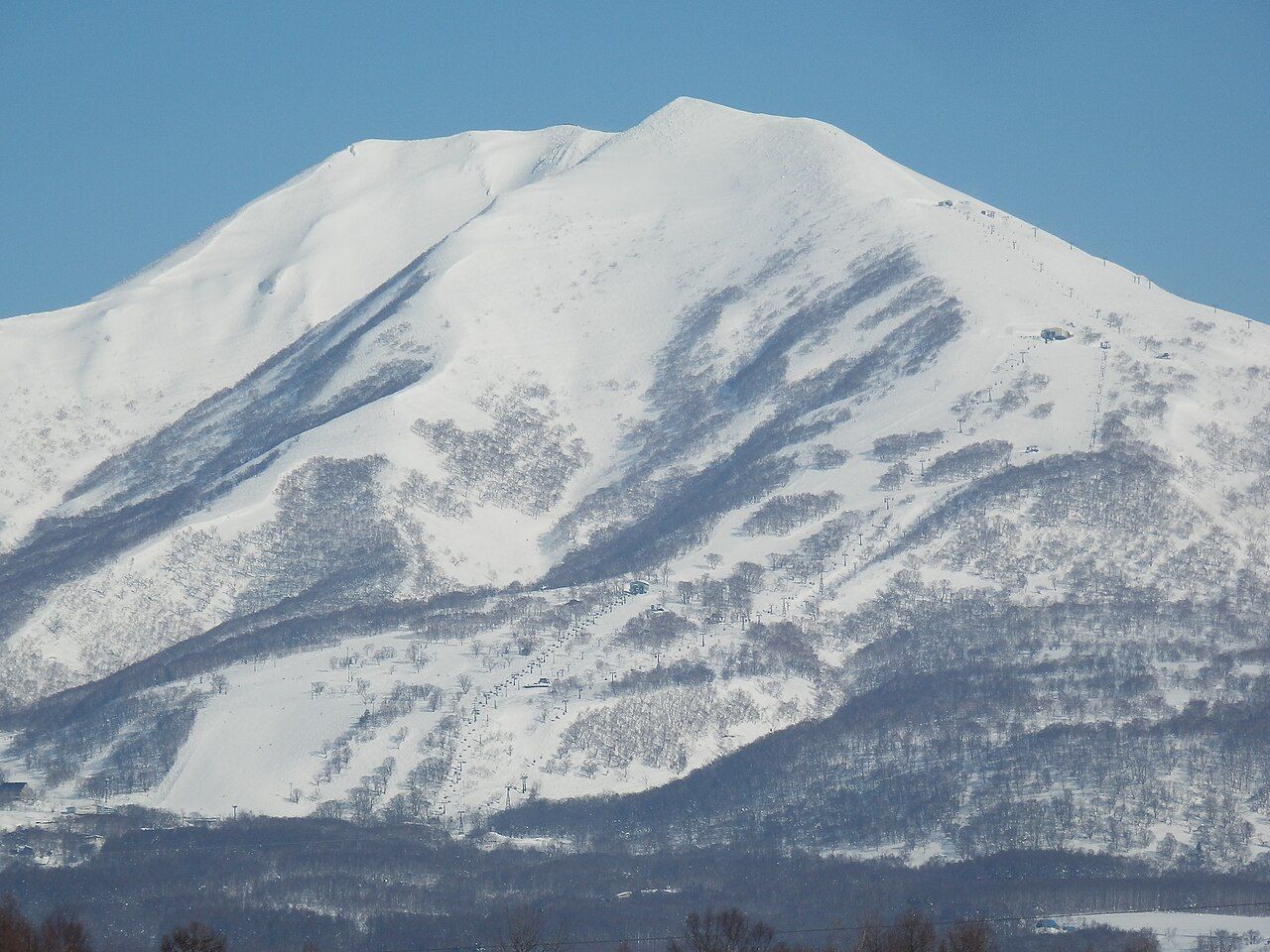 By Wakimasa (public domain) original

Arrive with savings, warm boots and an open mind. A season here is cold, busy and tiring, and for many people it is the winter they talk about for years afterwards.